
How To
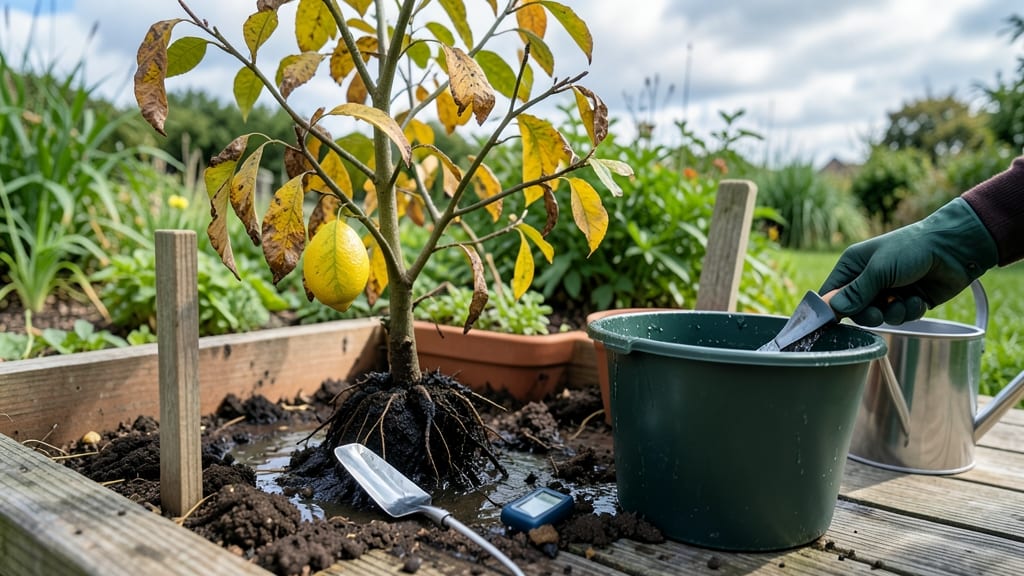
How to fix an overwatered lemon tree—sad, drooping leaves aren’t a death sentence. Root rot from overwatering is fixable. 🌱 I’ve nursed back three lemon trees from this exact problem, and the first step is stopping the water torture immediately. Yellowing leaves, mushy stems, and soil that smells like wet socks? That’s your tree’s SOS signal.
The damage starts at the roots, but you can still save your tree by adjusting watering, improving drainage, and giving roots room to breathe. Most people drown their citrus—lemon trees hate soggy feet.
Let the top 2-3 inches of soil dry completely between waterings, and if your pot has no drainage holes, it’s time for an upgrade. A simple DIY fix with a drill can make all the difference.
Within 2-4 weeks, you’ll see new green growth as roots recover. The key is patience—don’t rush to water again, and consider adding perlite or sand to the soil mix for better airflow.
Your tree might need a few prunes to remove dead branches, but the roots will thank you for the second chance.
Long-term, container size matters—citrus trees outgrow their pots fast. If your tree’s been cramped, repotting into a larger container with fresh, well-draining soil sets it up for years of lemony success.
Prevention is simple: check soil moisture before watering, and never let your tree sit in saucers of standing water.
Root Causes of Overwatering
Overwatering your lemon tree isn’t just a gardening mistake—it’s a silent killer that disrupts the delicate balance of soil, roots, and nutrients. Understanding the why behind it helps you avoid repeating the same errors.
Let’s break down the most common triggers, backed by science, so you can protect your citrus tree before it’s too late.
🌱 The #1 enemy of lemon trees—waterlogged roots.
Lemon trees thrive in well-draining soil because their roots need oxygen to absorb nutrients. When soil lacks proper drainage—whether from dense clay, compacted earth, or a lack of organic matter—water pools around the roots instead of draining away. This creates anaerobic conditions (low oxygen), which suffocates the roots and triggers:
- Root rot (caused by fungi like Phytophthora or bacteria like Pseudomonas), which breaks down root tissue.
- Nutrient starvation, since roots can’t uptake water or minerals efficiently.
- Toxic buildup of salts and chemicals in saturated soil, further damaging cells.
💡 Pro Tip: Test your soil’s drainage by digging a 6-inch hole, filling it with water, and timing how long it takes to drain. If it takes more than 2 hours, amend the soil with perlite, sand, or compost to improve airflow.
💦 When "just a little more water" becomes a death sentence.
Lemon trees (like most citrus) are drought-tolerant once established, but their roots are sensitive to moisture fluctuations.
Common watering mistakes include: - Overwatering after drought stress – If the tree was dry, sudden deep watering can shock the roots, causing them to absorb too much at once. - Ignoring seasonal needs – Spring/summer heat increases evaporation, while winter slows root activity.
A rigid schedule (e.g., "every Tuesday") fails to adapt. - Using the "finger test" wrong – Sticking your finger 1–2 inches deep isn’t enough; lemon trees need 6+ inches of dry soil between waterings.
🔥 Warning Sign: Yellowing leaves with soggy brown edges (not just dryness) are a red flag for overwatering, not underwatering.
🏺 Small pots = trapped water = root suffocation.
Potted lemon trees are especially vulnerable because:
- Limited soil volume fills up faster, leading to rapid saturation.
- No natural drainage in some containers (e.g., decorative pots without holes).
- Root circling – When roots grow in tight loops, they can’t expand properly, increasing water retention and rot risk.
📊 Science Check: A 5-gallon pot may suffice for a young tree, but mature lemon trees need at least 15–25 gallons of soil to prevent overwatering. Upgrade pots gradually as the tree grows.
🌿 Too much of a good thing? Yes, really.
Fertilizers contain salts that bind to soil particles. While essential for growth, excess salts:
- Disrupt osmotic balance, making roots work harder to absorb water (leading to overcompensation).
- Increase soil moisture retention, slowing drainage.
- Burn root tips, reducing the tree’s ability to absorb water efficiently.
💡 Fix It: Flush the soil with 2–3 times the pot’s volume of water after fertilizing to leach out excess salts. Use a slow-release fertilizer (like osmocote) to avoid spikes.
🌧️ Mother Nature’s role in the overwatering drama.
Even with perfect care, external conditions can force overwatering:
- Heavy rainfall + impermeable soil = a double whammy for roots.
- Low humidity (e.g., indoor lemon trees) causes leaves to transpire faster, tricking growers into watering more.
- Shade without airflow – While shade protects leaves, stagnant air traps moisture near the soil.
🎯 Solution: Move potted trees to partial shade on rainy days and ensure good airflow (e.g., a small fan) to balance evaporation.
Revive Your Lemon Tree Now
Overwatering can feel like a death sentence for your lemon tree, but with the right steps, you can nurse it back to health—even if it’s already showing signs of distress. The key is acting fast, diagnosing the root cause (literally), and adjusting your care routine.
Below, we break down practical, step-by-step solutions tailored to the most common symptoms of overwatering, plus tips to keep your tree thriving long-term.
Cause: Excess moisture suffocates roots, cutting off oxygen and nutrients. Fix:
- Pause all watering for 3–5 days to let the soil dry out. If the top 1–2 inches of soil are soggy, wait longer.
- Check soil moisture by sticking your finger 2 inches deep—if it’s damp, hold off.
- Pro tip: 💡 If your tree is in a pot, lift it to gauge weight. A heavy pot = overwatered.
Cause: Poor drainage traps water, leading to root rot and fungal growth. Fix:
- Repot if needed: If your tree is in a container with no drainage holes, transfer it to a pot with 4+ drainage holes (terracotta works best).
- Add perlite or sand: Mix 20–30% perlite, pumice, or coarse sand into the soil to improve aeration.
- Raise the pot: Place it on feet or a saucer to prevent water pooling at the bottom.
Cause: Rotten roots can’t absorb water or nutrients, even if you fix other issues. Fix:
- Gently remove the tree from its pot and inspect the roots. Healthy roots are firm and white; rotten roots are mushy, black, or smell foul.
- Trim affected roots with sterilized scissors (wipe with rubbing alcohol between cuts).
- Replant in fresh, dry soil and avoid watering for 5–7 days to let wounds heal.
Cause: Overwatering often stems from inconsistent or excessive irrigation. Fix:
- Water deeply but infrequently: Lemon trees prefer dry spells between waterings. Aim for 1–2 times per week (less in winter), letting the soil dry 50% between waterings.
- Water at the base only: Avoid wetting leaves to prevent fungal diseases like powdery mildew.
- Morning is best: Water in the early morning so excess moisture evaporates by evening.
Cause: Stress from poor light or high humidity worsens recovery. Fix:
- Move to bright, indirect light: Lemon trees need 6+ hours of sunlight daily. A south- or west-facing window (or grow lights) is ideal.
- Reduce humidity: If your home is damp, use a dehumidifier or place a fan nearby to improve airflow.
- Avoid cold drafts: Keep temps between 60–85°F (15–29°C)—cold stress slows recovery.
Cause: Overwatered trees lack nutrients, but fertilizing too soon can burn weakened roots. Fix:
- Wait 2–4 weeks after repotting or pruning before fertilizing.
- Use a balanced, citrus-friendly fertilizer (e.g., 6-6-6 or 10-10-10) diluted to half strength.
- Feed every 4–6 weeks in spring/summer only—never in winter.
Once your lemon tree is back on track, keep these habits to avoid overwatering again:
- 🔍 Test soil moisture with a moisture meter or your finger before watering.
- ⏰ Stick to a schedule: Lemon trees in pots dry out faster than in-ground trees.
- 🌧️ Adjust for weather: Reduce watering in rainy seasons or high humidity.
- 🌱 Monitor leaf color: Yellowing between veins = overwatering; crispy edges = underwatering.
- 🚫 Avoid "just in case" watering: If the soil feels dry 2 inches down, it’s time to water.
🎯 Quick Recovery
Frequently asked questions about overwatered lemon trees
How do I know if my lemon tree is overwatered vs. underwatered?
Check the leaves: overwatered trees show yellowing between veins with soggy brown edges, while underwatered trees have crispy, dry edges. Also, lift the pot—if it feels unusually heavy, that’s a sign of excess moisture. Press your finger 2 inches deep: if damp, hold off on watering.
Can I save a lemon tree with root rot?
Yes, but act fast! Remove the tree from its pot and trim away mushy, black roots with sterilized scissors. Replant in fresh, well-draining soil (mix in 30% perlite) and avoid watering for 5–7 days to let roots recover. If >50% of roots are rotten, recovery may take 4–6 weeks with minimal water.
What’s the best soil mix to prevent future overwatering?
Use a citrus-specific potting mix with 30–40% perlite, pumice, or coarse sand to improve drainage. For in-ground trees, amend clay soil with compost and gypsum to break up compaction. Terracotta pots help—they wick away moisture faster than plastic.
How often should I water my lemon tree after fixing overwatering?
Wait until the top 2–3 inches of soil are completely dry before watering again. In summer, this may mean every 5–7 days; in winter, stretch it to every 10–14 days. Always water deeply at the base—never on leaves—to avoid fungal issues. A moisture meter takes the guesswork out.
Will my lemon tree ever produce fruit again after overwatering?
Most likely! With proper care, your tree can recover fully in 3–6 months. Focus on light, drainage, and gradual watering