
Pests
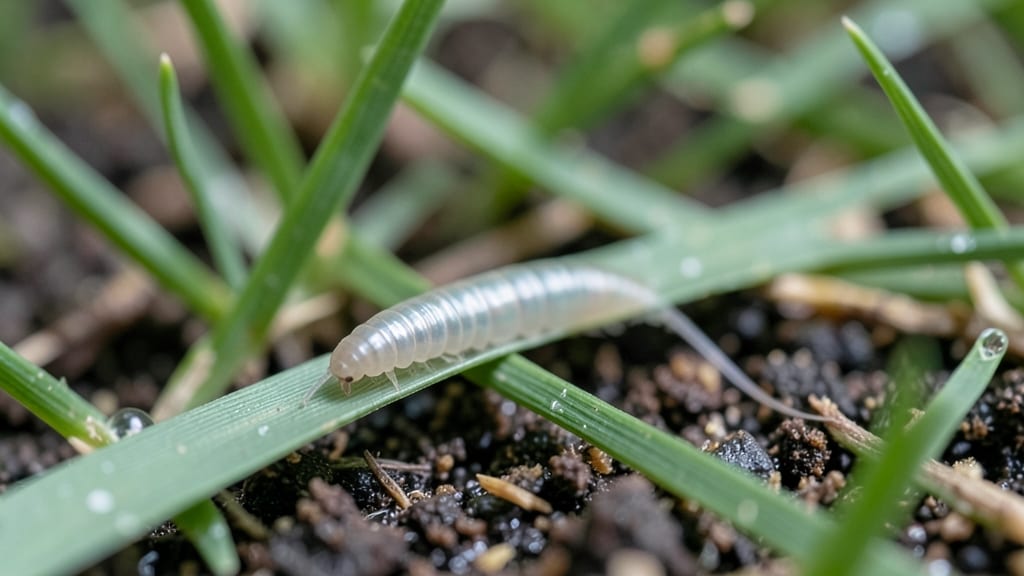
How to get rid of lawn grubs organically when they’re turning your grass into a spongy mess? 🌱 These white, C-shaped pests feast on roots, leaving brown patches that chemicals can't fully fix. I've battled them for years—until I discovered the organic solution that actually works. The key is understanding their lifecycle: eggs hatch into larvae that burrow deep, then pupate into beetles. By the time you see damage, it's often too late for quick fixes. But nematodes—microscopic predators—hunt grubs relentlessly, cutting infestations by 90% without harming your lawn. You'll start seeing improvement in 4-6 weeks with consistent applications. The grass recovers, stays green, and you avoid the chemical residue that lingers for seasons. Plus, your lawn becomes a healthier ecosystem for beneficial insects. Works in any climate, from drought-prone yards to lush suburban lawns. Let's get those grubs gone for good—naturally.
Root Causes of Lawn Grub Infestations
Lawn grubs—those squiggly, white, C-shaped larvae of beetles—can turn your lush green lawn into a patchy, brown eyesore faster than you can say "organic treatment." But before you reach for the nematodes or neem oil, it’s crucial to understand why these pests show up in the first place.
The answer lies in a mix of environmental conditions, lawn health, and the life cycles of their parent beetles. Let’s dig into the real culprits behind grub invasions.
Grubs thrive in moist, soft soil—think of it as their personal buffet. When lawns are overwatered or have poor drainage, the soil stays damp longer, creating the perfect nursery for grub eggs to hatch and larvae to feast on grass roots.
- Why it happens: Excess moisture weakens grass roots, making them easier targets for grubs. Additionally, compacted or clay-heavy soils trap water, prolonging the ideal conditions for grub survival.
- Science behind it: Grubs (like those from Japanese beetles or June bugs) require moisture to survive their larval stage. If your soil stays soggy for weeks, you’re essentially inviting them to move in.
- Actionable clue: If your lawn feels spongy underfoot or puddles linger after rain, you’re likely creating a grub paradise.
A thick layer of thatch (that spongy mix of dead grass, roots, and debris) acts like a cozy blanket for grub eggs. Beetles lay their eggs in warm, protected spots, and thatch provides the perfect hiding place—especially in late summer when adult beetles are most active.
- Why it happens: Thatch insulates the soil, keeping it warm and moist. Grubs burrow into this layer to avoid predators (like birds or beneficial nematodes) and feed on the decomposing organic matter.
- Science behind it: Studies show that thatch layers thicker than ½ inch can increase grub survival rates by up to 40% by shielding eggs from drying out or freezing.
- Actionable clue: If you rake your lawn and see a thick, mat-like layer beneath the grass blades, you’ve got a grub magnet on your hands.
Grubs don’t appear out of nowhere—they’re the offspring of adult beetles like Japanese beetles, June bugs, or chafers. These beetles lay eggs in your lawn in late summer, and within weeks, those eggs hatch into grubs that will munch on your grass roots all winter.
- Why it happens: Adult beetles are attracted to healthy, well-watered lawns because they provide abundant food (grass pollen and leaves) and safe egg-laying sites. If your neighborhood has a high beetle population, your lawn is at risk.
- Science behind it: Female beetles can lay 40–60 eggs per day in the soil, and these eggs hatch in 7–14 days. If you miss the adult beetle stage, you’ll face a grub explosion come fall.
- Actionable clue: Keep an eye out for adult beetles (especially in June–August) or irregular patches of grass that pull up easily—this is a red flag for imminent grub trouble.
Healthy grass is resilient, but when it’s weak—due to poor fertilization, drought, or disease—it’s easier for grubs to strip away its roots. Grubs prefer lawns that are already struggling because the roots are softer and more accessible.
- Why it happens: Stressed grass has reduced root systems, making it harder for the plant to recover from grub feeding. Additionally, weak grass can’t support beneficial microbes that naturally suppress grub populations.
- Science behind it: Research shows that lawns with low nitrogen levels or imbalanced nutrients are 3x more likely to suffer severe grub damage because the grass can’t outgrow the pests.
- Actionable clue: If your lawn looks yellow, sparse, or recovers slowly after mowing, it’s already a grub’s dream come true.
Now that you know why grubs crash your lawn party, the next step is to flip the script with organic solutions—starting with the nematode powerhouse that actually works. 🚀
Natural Fixes for Grub-Infested Lawns
Grubs don’t stand a chance against the right organic strategies—especially when you tackle the problem at its source. Below, we’ve mapped out practical, chemical-free solutions based on the root cause of your grub trouble, plus prevention tips to keep your lawn thriving long-term.
Cause: Grubs love soggy, poorly drained soil where roots can’t breathe—and neither can beneficial microbes.
Fix It:
- 🔥 Loosen the Soil – Rent a core aerator (or use a garden fork) to poke holes 3–4 inches deep across the lawn. This improves airflow and drainage, making it harder for grubs to thrive.
- 🍳 Add Organic Matter – Mix in compost or aged manure (1–2 inches) to break up clay or heavy soil. This also feeds beneficial nematodes and microbes that naturally suppress grubs.
- ⏰ Water Deeply but Less Often – Switch to 1–2 deep waterings per week (early morning) instead of daily light sprinkles. Grubs hate dry spells—drought stress forces them to surface, where birds and predators can find them.
💡 Pro Tip: If your lawn feels spongy when walked on, compacted soil is likely the culprit. Test drainage by digging a 6-inch hole—if water pools after 24 hours, you’ve got a drainage issue.
Cause: A thatch layer thicker than ½ inch smothers grass roots and traps moisture—grub paradise.
Fix It:
- 👨🍳 Dethatch with a Rake – Use a spring-tine rake to pull up thatch in sections. Focus on high-traffic areas first.
- 🌡️ Boost Microbial Activity – Spread **beneficial fungi (like Trichoderma spores) or worm castings to decompose thatch naturally. These microbes outcompete grubs for food.
- ✨ Mow High & Leave Clippings – Set your mower to 3–4 inches and mulch clippings back into the lawn. This adds nitrogen and shades the soil, discouraging grub egg-laying.
💡 Pro Tip: If raking feels tedious, try top-dressing with sand and compost (50/50 mix) to smother thatch over time.
Cause: You’ve spotted white grubs wriggling in the soil or skunks/raccoons digging up your lawn.
Fix It:
- 🔪 Release Beneficial Nematodes – Apply heterorhabditis bacteriophora** nematodes (like Nemex or GrubGone) in late evening or early morning when soil temps are 55–85°F. Water lightly before and after to help them move into the soil.
- 🐦 Encourage Natural Predators – Invite birds (like robins and starlings), toads, and ground beetles by:
- Leaving leaf litter in garden edges.
- Planting native wildflowers (grubs’ predators love them).
- Avoiding pesticides that kill beneficial insects.
- **🥘 Use Milky Spore or Bacillus thuringiensis (Bt) –
- Bt (DiPel or Thuricide) targets grubs’ digestive systems. Sprinkle on damp soil in the evening (reapply after rain).
💡 Pro Tip: For severe infestations, combine nematodes + Bt for a 1-2 punch. Apply nematodes first, then Bt 3–5 days later.
Cause: Thin, stressed grass gives grubs an easy buffet.
Fix It:
- 📊 Overseed with Grub-Resistant Grass – Choose tall fescue, perennial ryegrass, or buffalo grass—these varieties have deeper roots that grubs can’t chew through as easily.
- 💪 Feed with Slow-Release Fertilizer – Use organic options like fish emulsion or bone meal (high in phosphorus for roots) in early spring or fall. Avoid fast-release nitrogen—it attracts more grubs.
- 🥗 Solarize Problem Spots – In hot climates, cover bare patches with clear plastic for 4–6 weeks in summer. The heat kills grubs and weeds before you reseed.
💡 Pro Tip: Aerate before overseeding to ensure seeds make contact with soil—not thatch.
Once you’ve kicked grubs out, keep them from moving in with these habits: - 🎯 Mow at 3 inches – Taller grass shades soil, cooling it and making it less inviting for grubs. - 🌡️ Monitor Soil Temps – Grubs thrive in 60–85°F soil.
Water deeply in summer to keep temps down. - ✨ Plant Grub-Repelling Ground Covers – Clover, creeping thyme, or ajuga deter Japanese beetles (grubs’ parents). - 🔄 Rotate Organic Treatments Annually – Alternate between nematodes, Bt, and milky spore to prevent resistance.
**Final
Frequently asked questions
How do I know if my lawn has grubs and not just drought stress?
Look for these key signs: spongy patches that feel soft underfoot (like a trampoline), grass that pulls up easily in 2-inch sections with white grubs attached to roots, or animals like skunks digging up your lawn. Drought stress usually shows as uniform browning, while grub damage creates irregular dead spots.
Can I use coffee grounds to repel grubs?
Coffee grounds won't kill grubs directly, but they can help improve soil health over time by adding nitrogen and encouraging microbial activity that naturally suppresses grub populations. For immediate results, combine them with nematodes or Bt—coffee grounds alone won't solve an active infestation.
What's the best time of year to treat grubs organically?
Apply nematodes or Bt in late spring to early summer (when grubs are young) or fall (when they're feeding heavily before winter). Avoid treating when soil temps exceed 85°F—nematodes become less effective in heat. Early morning or late evening applications work best.
Will chickens eat lawn grubs?
Yes! Chickens love grubs and can help control populations naturally. Let them free-range on your lawn for 1-2 hours daily during grub season (late summer/fall). For best results, combine this with nematode treatments—chickens eat adult grubs while nematodes target larvae in the soil.
How long until I see results from organic grub treatments?
With nematodes, you'll typically see 50% reduction in grubs within 2-3 weeks and full results in 4-6 weeks. Bt works faster—expect to see improvement in 7-14 days but may need reapplication. For severe infestations, combine methods and be patient—organic solutions rebuild soil health over time.