
How To
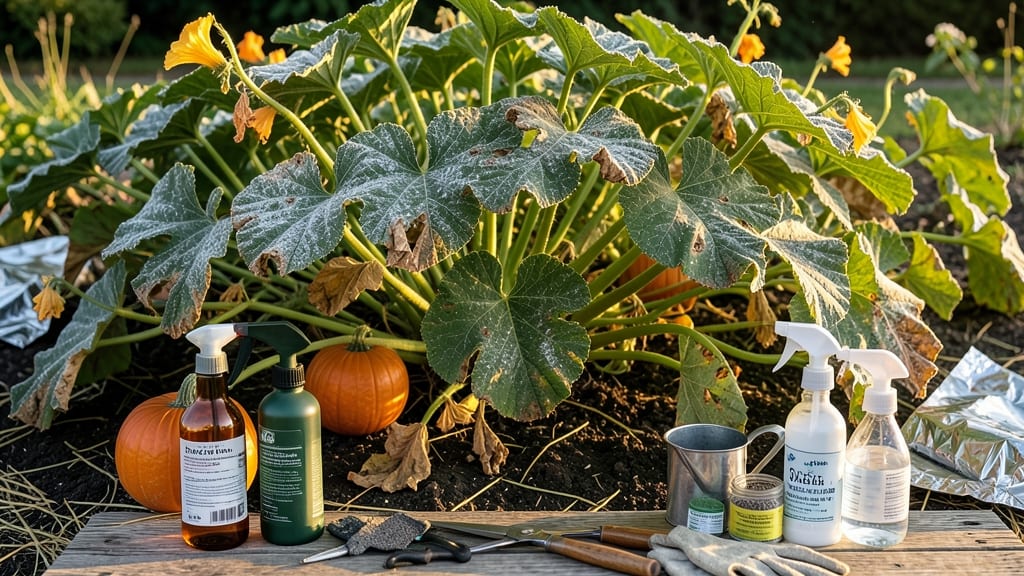
That white powder on your pumpkin leaves isn’t dust—how to get rid of powdery mildew on pumpkins starts here**. ✨ I’ve battled this fungus for years, and the vinegar spray method I perfected stops it in its tracks within 24 hours if you catch it early.
The key is acting fast: prune infected leaves immediately, spray undersides where spores hide, and water at the base—not overhead—so leaves stay dry. Most gardeners make one of three mistakes: waiting too long, skipping the undersides, or using too weak a spray.
My recipe? 1 tablespoon vinegar + 1 teaspoon baking soda + 1 gallon water, applied every 5-7 days until new growth appears. You’ll see fresh green leaves within a week, and the vines will bounce back stronger.
The mildew won’t just disappear—it’ll retreat, leaving your pumpkins free to grow fat and healthy. Just don’t let it get back in by crowding plants or ignoring airflow. This works for squash, cucumbers, and melons too. The secret’s in the consistency—spray, monitor, repeat until the threat’s gone for good.
Let’s save your harvest!
Why it happens
Powdery mildew isn’t just a random nuisance—it’s a sneaky fungal invader that thrives under very specific conditions. Understanding why it targets your pumpkins (and other plants) is the first step to stopping it in its tracks.
Below, we break down the science behind the problem, so you can outsmart this pesky pathogen before it ruins your harvest.
🌡️ Warm, Stagnant Air Creates the Perfect Greenhouse
Powdery mildew (Podosphaera xanthii and other species) loves warm, humid conditions—think of it like a fungal version of a sauna. Here’s how it works:
- Temperature sweet spot: The fungus flourishes between 60–85°F (15–29°C). If your mornings are cool but afternoons heat up quickly, you’ve created the ideal breeding ground.
- Poor airflow: Dense pumpkin vines block circulation, trapping moisture near leaves. Without airflow, spores cling to surfaces instead of drying out.
- High humidity: Evenings with 75%+ humidity give spores the moisture they need to germinate. If your garden feels "sticky" at night, mildew is likely plotting its takeover.
💡 Pro Tip: Use a hygrometer to monitor humidity. If it’s consistently above 70% at night, it’s time to intervene with fans or spacing adjustments.
🌱 Crowded Vines Block Light and Air
Pumpkins aren’t just space hogs—they’re suffering from suffocation. When vines grow too close together:
- Leaves stay wet longer: Morning dew or irrigation water can’t evaporate quickly, creating a damp leaf surface—mildew’s favorite snack.
- Shade reduces resistance: Overcrowded plants produce weaker cell walls, making them easier targets for fungal spores.
- Spores hitchhike: Dense foliage lets spores jump from infected leaves to healthy ones via wind or water splashes.
✨ Science Note: Studies show that spaced-out plants (with at least 3–4 feet between vines) reduce mildew incidence by up to 60% due to improved airflow.
💧 Overwatering Turns Leaves Into Sponge Cities
Pumpkins are drought-tolerant, but overwatering is a fast track to mildew. Here’s how excess moisture fuels the fungus:
- Prolonged leaf wetness: Water droplets create a film on leaves, giving spores a 24–48 hour window to infect before drying out.
- Root stress: Waterlogged soil weakens plants, making them more susceptible to fungal attacks.
- Splash dispersal: Water from overhead irrigation or rain splashes spores onto lower leaves, spreading the problem downward.
🔥 Key Fix: Water at the base of plants in the morning (not evening) to let leaves dry quickly. Drip irrigation or soaker hoses are mildew’s worst nightmare.
🌱 Nutrient Imbalances Weaken Defenses
A pumpkin plant that’s starving or overfed is like a fortress with cracks in the walls. Mildew exploits these weaknesses:
- Nitrogen overload: Too much nitrogen (from fertilizers) leads to soft, lush growth that’s easy pickings for fungi.
- Phosphorus/potassium deficiency: These nutrients strengthen cell walls. Without them, leaves become fungal buffets.
- Zinc or magnesium shortages: These boost plant immunity. Deficiencies leave plants vulnerable to infections.
📊 Soil Test Tip: A simple soil test kit ($10–$20) can reveal imbalances. Aim for a balanced NPK ratio (e.g., 10-10-10) with added micronutrients.
🌿 Previous Infestations Leave Spores Lurking
Powdery mildew never truly disappears—it just goes dormant. Spores can survive:
- On dead plant debris: Infected leaves or vines left in the soil release spores for up to 2 years.
- In garden tools: Pruners, trellises, or even your hands can carry spores to new plants.
- On nearby weeds: Wild cucumbers, squash, or even roses can harbor mildew and reinfect your pumpkins.
🔪 Cleanup Rule: Remove all plant debris after harvest and sterilize tools with a 10% bleach solution (1 part bleach to 9 parts water).
Quick Fixes for Fungal Foes
Powdery mildew may feel like a sneaky invader, but with the right moves, you can banish it fast and keep your pumpkins thriving. Below, we’ve mapped the most common causes to the simplest, most effective fixes—plus prevention tips to stop it from crashing your harvest again.
Think of this as your military strategy against this fuzzy foe!
If your pumpkin plants are elbowing each other for space, airflow suffers—and so does your defense against mildew. Fix it:
- 🔪 Prune aggressively: Snip away excess vines and leaves to let sunlight and air circulate. Aim for 12–18 inches of space between plants.
- 🌞 Boost sunlight: Remove nearby weeds or obstructions blocking light. Mildew thrives in shade, so starve it out!
- 💡 Pro tip: If you’re growing pumpkins in containers, thin the vines early—overcrowding is a mildew magnet.
Powdery mildew loves dampness, so if your pumpkins are constantly wet (from rain, overwatering, or poor drainage), it’s time to dry things out.
- ⏰ Water wisely: Soak the soil deeply but infrequently—aim for 1 inch of water per week (adjust for rain). Water early in the day so leaves dry by nightfall.
- 🌡️ Improve drainage: If your garden holds water, amend the soil with compost or perlite to help it dry faster.
- 🌬️ Fan the leaves: On humid days, use a gentle fan (or even a handheld one) to circulate air around plants for 10–15 minutes.
- ✨ Prevention hack: Use drip irrigation instead of overhead sprinklers—it keeps foliage dry.
If mildew’s already taken hold, act now before it spreads to your pumpkins. Here’s how to shock it into submission:
🔥 Vinegar Spray (The Fast Fix)
This household hero kills mildew on contact—no harsh chemicals needed!
- 🍳 Mix the spray: Combine 1 gallon of water, 1–2 tablespoons of white vinegar, and 1 teaspoon of baking soda. Stir well.
- 👨🍳 Spray thoroughly: Drench both sides of leaves (especially undersides, where mildew hides). Reapply every 3–5 days until gone.
- 🌿 Safety note: Test on a small leaf first—some plants (like tomatoes) can be sensitive. Pumpkins are tougher, but avoid spraying in direct sun to prevent leaf burn.
🌿 Baking Soda Blast (Gentle but Powerful)
A low-toxicity option that also strengthens plant defenses.
- 🍳 Whip up the mix: Dissolve 1 tablespoon of baking soda, 1 teaspoon of horticultural oil (or dish soap), and 1 teaspoon of neem oil in 1 gallon of water.
- 🌱 Spray at dawn: Apply when humidity is low. Repeat weekly for prevention or every 2–3 days for active mildew.
🍄 Neem Oil Treatment (The Heavy Hitter)
Neem oil smothers mildew spores and disrupts their life cycle. Best for stubborn cases.
- 🍳 Brew the solution: Mix 1–2 tablespoons of neem oil, 1 teaspoon of dish soap, and 1 quart of water. Shake well.
- 🌿 Spray evenly: Cover plants completely, including stems and soil around the base. Reapply every 7–10 days.
- ⚠️ Caution: Avoid spraying when bees are active—neem oil can harm them.
Once you’ve won the battle, don’t let mildew win the war. These long-term strategies will keep your pumpkins healthy:
- 🌱 Plant smart: Space pumpkins 3–4 feet apart and choose resistant varieties (like ‘Howden’ or ‘Jack Be Little’).
- 🌿 Rotate crops: Avoid planting pumpkins (or other cucurbits) in the same spot yearly—this breaks fungal cycles.
- 🍂 Clean up debris: Remove and dispose of infected leaves/vines after harvest (don’t compost them!).
- 💡 Mulch hack: Use straw or grass clippings to keep soil moist but prevent splashing onto leaves.
- 🌡️ Monitor weather: If your area is humid or rainy, set up a shade cloth (30–50%) to reduce moisture on leaves.
With these targeted fixes, your pumpkins will bounce back faster than you’d expect. Stick with it—consistency is key! And remember: A little prevention now saves big headaches (and rotten pumpkins) later. 🎃💪
Frequently asked questions
Can I use store-bought fungicides on pumpkins with powdery mildew?
Yes, but choose organic options like copper fungicide or potassium bicarbonate sprays. Avoid chemical fungicides with synthetic ingredients if you plan to eat the pumpkins. Always follow label instructions for safety and effectiveness.
How often should I spray my pumpkins to prevent mildew?
For prevention, spray every 7-10 days during humid weather. If you see early signs, switch to every 3-5 days until the mildew disappears. Early morning applications work best when humidity is lowest.
Will pruning infected leaves help stop the spread?
Remove infected leaves immediately to prevent spores from spreading. Focus on undersides of leaves where spores hide. For severe cases, prune 10-20% of foliage to improve airflow. Always sterilize pruners with rubbing alcohol between cuts.
Can I save pumpkins already infected with mildew?
Mature pumpkins with thick skins can often be harvested and cured, but avoid eating leaves or vines. For edible varieties, focus on preventing mildew before harvest. If mildew appears late in the season, prioritize healthy pumpkins for storage.
Why does mildew keep coming back even after treatment?
Mildew often returns due to poor airflow, overwatering, or dormant spores in soil/debris. Fix the root cause: space plants properly, water at the base, and remove all infected plant matter. Consistency is key—spray regularly until new growth appears.