
Pests
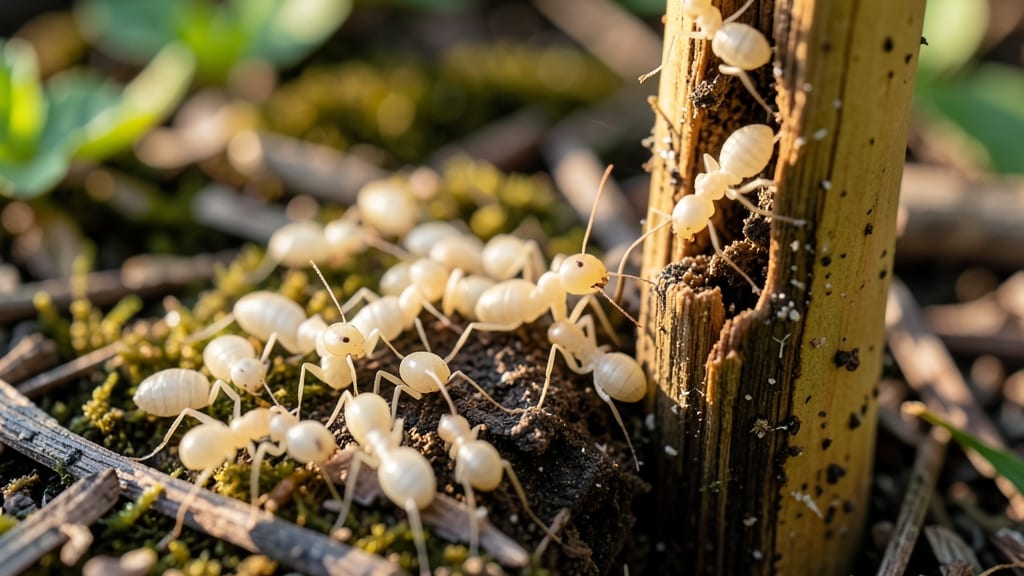
How to get rid of white ants in the garden—those relentless invaders marching through your soil? This boil-and-pour barrier works in under 30 minutes—no chemicals, no guesswork. 🌱 I’ve watched these tiny invaders vanish within hours after applying the right mix of hot water and natural ingredients. The secret lies in smothering their underground highways while keeping your soil (and pets) safe.
First, you’ll need to tell them apart from regular ants—white ants have soft bodies, no pinched waists, and swarm in damp wood or mulch.
Once identified, the solution is simple: boil water with 1 part vinegar or citrus peels (they hate the smell), pour it along their trails and nest sites, then cover with mulch to trap the steam. Repeat weekly until no new workers appear.
What you’ll get is a garden free of mud tubes and damaged roots, with healthier plants that bounce back faster. The best part? This method also deters future visits by making your soil less appealing to their scouts. No more watching your favorite perennials get chewed down to the stems.
Works for lawns, vegetable patches, and even potted plants—just adjust the volume. The key is persistence; white ants don’t surrender easily, but they will retreat when their escape routes are cut off. Ready to reclaim your garden?
The hidden triggers behind white ants
White ants—more accurately called termites—don’t just appear in your garden out of nowhere. Their invasion is the result of a mix of environmental, structural, and behavioral factors that create the perfect conditions for them to thrive.
Understanding these causes is the first step in stopping them before they damage your plants, soil, or even your home.
Termites, including white ants, are drawn to moisture like a magnet.
Their colonies thrive in damp environments because: - Decaying organic matter (like fallen leaves, mulch, or rotting wood) traps moisture, creating ideal nesting spots. - Poor drainage in garden beds or near foundations allows water to pool, signaling to termites that the area is fertile for tunneling. - Leaky irrigation systems or overwatered plants create hidden pockets of humidity, which termites detect through pheromones and moisture sensors in their antennae.
💡 Pro Tip: If your garden has soggy patches, especially near wooden structures or mulch piles, you’ve likely already created a termite buffet.
Termites are detritivores, meaning they feed on dead plant material.
Common garden attractants include: - Untreated wood (stumps, fences, or old tree stumps) that hasn’t been chemically treated to repel them. - Piles of leaf litter or compost that haven’t been turned regularly, allowing moisture to build up. - Dead or dying plants with soft, rotting stems—easy pickings for hungry termite colonies.
🔥 Warning: Even "natural" garden structures like wooden trellises or mulch rings can become termite highways if left unchecked.
Termites don’t just stop at plants—they’re drawn to cellulose-rich materials, which includes:
- Wooden decking, fences, or sheds with cracks or gaps where moisture can seep in.
- Foundation gaps between soil and concrete, allowing them to build mud tubes (their highways) straight into your home.
- Paper or cardboard mulch (like shredded newspaper) that provides instant food and shelter.
🌡️ Key Insight: Termites often start in the garden before moving indoors. If you’ve noticed mud tubes near your home’s perimeter, they’ve likely already scouted your yard for weak spots.
Some plants are more termite-friendly than others because:
- Fast-growing or soft-stemmed plants (like bamboo or certain citrus trees) provide easy access to cellulose.
- Root systems that decay quickly (e.g., after a plant dies) create hidden tunnels for termites to expand their colony.
- Overwatered or stressed plants release sugars and moisture that termites can’t resist.
✨ Smart Swap: Opt for termite-resistant plants like marigolds, lemongrass, or eucalyptus—their natural oils deter termites.
Termites are highly sensitive to weather patterns:
- Warm, humid climates (like tropical or subtropical regions) accelerate their activity year-round.
- Seasonal rains trigger swarming behavior, as termites seek new nesting sites after heavy moisture.
- Drought conditions can force them to search for water, leading them to burrow into garden beds or structures.
🎯 Actionable Tip: In dry seasons, termites may target irrigation lines or buried wood—inspect these areas closely for signs of activity.
Termite colonies expand aggressively when:
- A queen lays thousands of eggs per year, leading to worker termites seeking new food sources.
- Nearby colonies compete for territory, increasing scouting activity in your garden.
- Disturbances (like digging or heavy rain) force termites to relocate, often into your property.
🔪 The Hard Truth: Once a colony establishes itself in your garden, it can take years to eliminate naturally—prevention is far easier than eradication.
Even well-meaning gardeners can unwittingly invite termites by:
- Storing firewood or lumber directly on the ground (termites will colonize it in weeks).
- Using untreated mulch (like straw or grass clippings) without barriers.
- Ignoring small signs (like tiny holes in wood or discarded wings) until the infestation spreads.
💡 Prevention Hack: Always elevate wood piles on bricks and space mulch away from structures to break termite pathways.
Effective Fixes for White Ant Havoc
White ants—whether termites or carpenter ants—can turn your garden into a battleground if left unchecked. The good news? With the right strategies, you can reclaim your space fast.
Below, we map out practical, step-by-step solutions tailored to the root causes of your infestation, plus prevention tips to keep them from returning.
1. Boil-and-Pour Barrier: Smother Nests Instantly
If you’ve spotted mud tubes or damaged wood, white ants are likely nesting nearby. A boiling water treatment is a fast, chemical-free way to destroy nests and create a protective barrier.
- 🔥 Step 1: Locate the Nest Follow mud tubes (common with termites) or check for sawdust-like frass (carpenter ants). Tap wood—hollow sounds mean active tunnels.
- 🍳 Step 2: Boil Water & Add Soap Mix 1 gallon of boiling water with 2 tbsp dish soap (or 1 tbsp liquid castile soap). The soap breaks surface tension, helping the solution penetrate deeper.
- 👨🍳 Step 3: Pour Directly Into Entry Points Use a paintbrush or turkey baster to force the solution into cracks, holes, and mud tubes. For ground nests, pour slowly in a zigzag pattern over the area (avoid plants).
- ⏰ Step 4: Repeat Weekly for 3-4 Weeks White ants rebuild nests quickly. Reapply after rain or if you spot new activity.
> 💡 Pro Tip: Time it right—early morning or late evening when ants are most active. Avoid windy days to prevent splashing.
2. Bait Stations: Lure & Eliminate the Colony
White ants are social creatures—they share food with the queen. Bait traps exploit this by poisoning the entire colony.
- 🔪 Use Commercial Baits (Best for Termites) Brands like Spectracide Termite Bait or Advion contain slow-acting toxins that ants carry back to the nest. Place stations near mud tubes or damaged wood.
- 🌡️ DIY Bait (For Carpenter Ants) Mix borax (1 part) + sugar (3 parts) + water into a paste. Apply to cardboard strips near ant trails. Replace every 3-4 days.
> ✨ Warning: Borax is toxic—keep away from pets/kids. Wear gloves when handling.
3. Physical Barriers: Block Their Path
Prevent future invasions with non-toxic barriers that ants can’t cross.
- 🛡️ Sand or Diatomaceous Earth (DE) Ring Create a 2-inch-wide band of coarse sand or food-grade DE around garden beds, tree bases, and foundation edges. Reapply after rain.
- 🪵 Copper Mesh or Steel Wool Stuff copper mesh (termite-proof) into cracks or wrap it around wooden structures. Ants avoid copper due to its electrical charge.
- 🌱 Mulch Alternatives Replace wood chips with gravel or rubber mulch—ants dislike crossing these surfaces.
1. Eliminate Moisture & Food Sources
White ants thrive in damp, decaying environments. Dry it out and clean up!
- 💦 Fix Leaks & Improve Drainage Repair dripping faucets, clogged gutters, and poor soil drainage. Use gravel or French drains to redirect water away from your garden.
- 🍃 Remove Debris & Dead Wood Pile up firewood, fallen branches, and leaf litter away from your home. Store firewood elevated and covered.
- 🌿 Choose Ant-Resistant Plants Avoid mulberry, willow, or fruit trees (carpenter ant magnets). Opt for rosemary, lavender, or citrus—their scents repel ants.
2. Natural Repellents: Confuse Their Senses
Certain scents and plants disrupt ant trails and nesting behaviors.
- 🌿 Plant Repellent Herbs Mint, lemongrass, or catnip around garden edges. Crush leaves occasionally to release oils.
- 🍋 Citrus & Vinegar Sprays Mix equal parts water + white vinegar in a spray bottle. Apply to entry points and ant trails. Reapply every 2-3 days.
- 🌶️ Cayenne Pepper Barrier Sprinkle cayenne pepper around garden borders. The capsaicin irritates ants’ exoskeletons.
3. Regular Inspections: Catch Them Early
- 🔍 Check Monthly for:
- Mud tubes (termite sign)
- Sawdust piles (carpenter ants)
- Winged ants (swarmers = new colony!)
- 📅 Schedule Seasonal Treatments Spring and fall are peak ant seasons—apply boil-and-pour barriers or DE as a preventive measure.
If you’re dealing with: ✅ Large-scale structural damage (e.g., termites eating wooden decks) ✅ Recurring infestations despite treatments ✅ Underground nests in concrete slabs
A pest control expert can use fumigation or professional-grade baits for stubborn cases.
Remember: Consistency is key. Combine immediate fixes (boil-and-pour, baits) with preventive habits (moisture control, repellents) to keep your garden white-ant-free for good! 🚫🐜
Frequently asked questions
Are white ants the same as termites?
Not exactly! While they’re often called "white ants," they’re actually termites—social insects with soft bodies, no pinched waists, and a love for damp wood. Carpenter ants (black or reddish) are different: they nest in wood but don’t eat it like termites do. Always check for mud tubes (termite sign) or sawdust piles (carpenter ant clue).
How do I know if my garden has a termite nest?
Look for these red flags: mud tubes on walls or wood, hollow-sounding wood when tapped, or swarms of winged ants (swarmers) near lights. Dig near damaged areas—live termites mean an active nest. For ground nests, watch for tiny holes in soil or discarded wings after rain.
Is boiling water safe for my plants?
Yes, if applied carefully! Avoid pouring boiling water directly on roots or leaves—focus on soil cracks, mud tubes, or ant trails. For delicate plants, use cool water + vinegar (1:1 ratio) instead. Always test a small area first, especially near young seedlings.
Will diatomaceous earth (DE) work on termites?
Food-grade DE can help, but it’s not a standalone solution for termites. Sprinkle a 2-inch band around garden edges to block entry, but combine it with moisture control (termites hate dry soil). Reapply after rain—DE loses effectiveness when wet.
How long until I see results from treatments?
Most methods take 1-4 weeks to show full results. Boil-and-pour barriers work fastest (visible decline in 24-48 hours), while bait stations may take 2-3 weeks to eliminate a colony. Monitor for new mud tubes or swarmers—if they reappear, repeat treatments or call a pro.