
Propagation
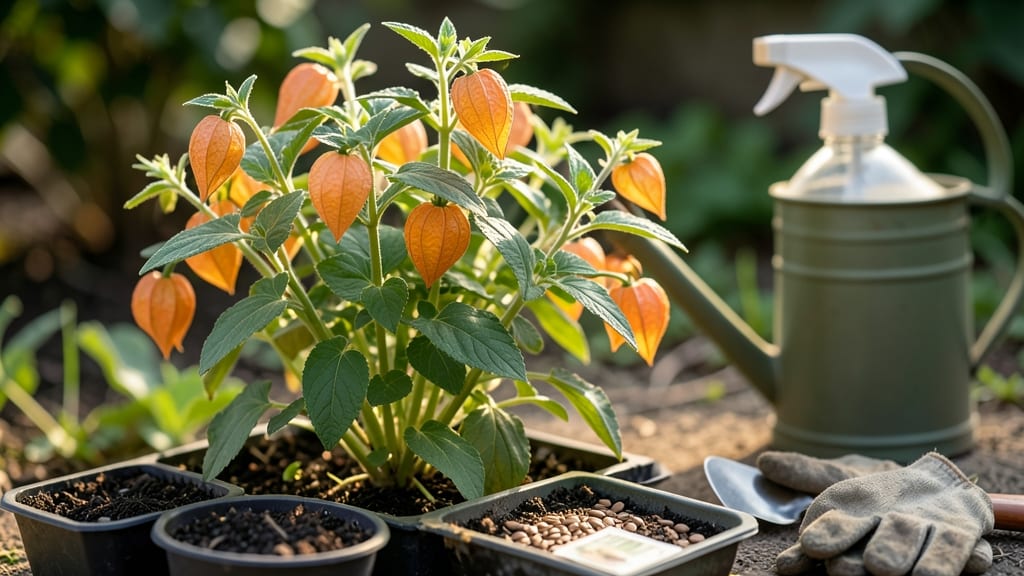
How to grow the Chinese lantern plant from seed—those fiery orange lanterns in fall—starts with tiny seeds holding a secret trick. 🌱 I’ve grown them from seed for years, and the key to success isn’t what you think—it’s all about timing and patience. Most seeds need a cold snap to wake up, but doing it right means vibrant foliage by September.
You’ll need just a few things: a shallow tray, well-draining soil mix, and a cold frame or fridge. The real magic happens when you stratify the seeds for 4-6 weeks before planting—mimicking winter’s chill.
Once they sprout, keep them in bright light but avoid direct sun until they’re sturdy enough to transplant.
By late spring, you’ll have lush plants ready for the garden, their unique seed pods glowing like tiny lanterns. The best part? They’re deer-resistant and add a pop of color when most plants have faded. Even better, the seeds inside can be used for cooking—though they’re more ornamental than edible.
This method works for both garden beds and containers, making it perfect for small spaces. The trickiest part is waiting for germination, but once those first leaves appear, you’re golden. Let’s get those seeds started!
📚 In This Guide
- What you need
- Instructions
- Tips and common mistakes
- Wrapping up and next steps
What you need
- ● Chinese lantern seeds: 10–20 seeds (start small if testing germination)
- ● Seed-starting mix: 1–2 gallons of sterile, well-draining potting soil (or coconut coir)
- ● Containers: Seed trays with drainage holes (or small pots, 2–3 inches deep)
- ○ Optional: Biodegradable seed pods for easy transplanting
- ● Watering can or spray bottle: Fine mist setting to avoid disturbing seeds
- ● Clear plastic wrap or humidity dome: To retain moisture during germination
- ● Grow lights or sunny windowsill: 6–8 hours of indirect light daily (south-facing window or LED grow light)
- ○ Fertilizer (optional but helpful): Balanced liquid fertilizer (5-5-5 or 10-10-10) for seedlings
- ● Fish emulsion or compost tea for organic boost
- ● Temperature: Ideal germination range: 65–75°F (18–24°C) (use a heat mat if needed)
- ● Humidity: High (80–90%) during germination; reduce slightly after sprouting
- ● pH Level: Slightly acidic to neutral: 6.0–7.0
- ● Seedling heat mat ($10–$20) for faster germination
- ● Grow tent or propagator for controlled conditions
- ● Labeling tags to track seed varieties (if mixing types)
- ● Epsom salt (1 tsp per gallon of water) for magnesium boost during early growth
Step-by-Step instructions for growing Chinese lantern plants
Here’s how to coax these striking plants from seed—with tricks to ensure strong, vibrant growth.
🌱 Step 1: Start Seeds Indoors with Warmth and Moisture
Chinese lanterns (Physalis alkekengi) thrive when started indoors 8-10 weeks before your last frost date. Scatter seeds on the surface of moistened seed-starting mix—they don’t need light to germinate, so no need to press them into the soil. A clear plastic dome or humidity tray keeps moisture consistent while blocking light.
Place the tray in a warm spot (70-75°F), like on top of a refrigerator or near a sunny window (without direct light yet). Germination takes 14-21 days, so patience is key. I’ve found that a seedling heat mat speeds this up by 3-5 days—worth the investment for finicky seeds.
☀️ Step 2: Move Seedlings to Light and Thin Carefully
Once seedlings emerge, remove the humidity dome and place them under grow lights (or a south-facing window) for 14-16 hours daily. Chinese lanterns grow leggy fast if light is insufficient—watch for pale stems and wide spacing between leaves. If this happens, lower the light source to 2-3 inches above the plants immediately.
When seedlings have 2-3 true leaves (not the initial seed leaves), thin to one strong seedling per pot. Use clean scissors to snip weak stems at soil level—this reduces competition and prevents overcrowding. Label your pots now; seedlings look identical until foliage develops.
🪴 Step 3: Harden Off and Transplant Outdoors
Two weeks before transplanting, start hardening off seedlings by placing them outside in partial shade for 1-2 hours daily. Gradually increase exposure over 7-10 days, ending with a full day in morning sun to avoid scorching. Chinese lanterns tolerate light frost but prefer 50-60°F nights—wait until soil is warm to touch before moving them.
Transplant seedlings 12-18 inches apart in well-draining soil with full sun to partial shade. Bury halfway up the stem to encourage root growth—this trick works wonders for leggy seedlings. Water deeply at planting to settle soil around roots, then let the top inch dry before watering again.
🌿 Step 4: Maintain Soil and Watch for Lanterns
Chinese lanterns thrive in average garden soil but appreciate mulch to retain moisture. Keep soil evenly moist but not soggy—wilting is normal in heat, but prolonged dryness stresses plants. Fertilize lightly with balanced 10-10-10 once a month during the growing season, but avoid overfeeding—too much nitrogen delays the iconic lantern formation.
The real magic happens in late summer to fall: watch for paper-thin husks forming around berries—these are your Chinese lanterns. Leave them on the plant until they turn golden-orange and crispy. Harvest by gently twisting the stalks; dried lanterns last months in vases or baskets.
Tips & tricks for growing Chinese lantern plants
These little-known tricks will help you avoid the most common pitfalls when growing these stunning fall plants from seed.
Germination Warmth: The 70-75°F temperature range is crucial for consistent germination—colder spots will delay sprouting. I place my seed trays on top of my refrigerator during the day and move them to a warm spot at night. If your home stays below 70°F, consider using a small heating pad designed for seed starting to maintain that ideal warmth.
Light Management: Those 14-16 hours of daily light in Step 2 are non-negotiable for preventing leggy seedlings. I've found that positioning grow lights just 2-3 inches above the plants creates the perfect balance between growth and strength. If you notice stems stretching toward the light, lower the lights immediately—this simple adjustment can save your seedlings from becoming weak and spindly.
Transplanting Technique: Burying seedlings halfway up their stems during transplanting (Step 3) might seem counterintuitive, but it's a game-changer for leggy plants. This method encourages root growth along the buried stem, creating a stronger plant base. I've seen seedlings that were nearly toppling over after transplanting become sturdy and healthy within just a few weeks using this technique.
Soil Moisture Balance: The "evenly moist but not soggy" guideline in Step 4 is easier said than done. I've learned to use my finger as a moisture gauge—stick it about an inch into the soil. If it feels dry, it's time to water; if it's damp, wait another day. Overwatering is the #1 cause of seedling failure with Chinese lanterns, so it's better to underwater slightly than to drown them.
Pro Tips for Grow Chinese Lantern Plant From Seed
- These little-known tricks will help you avoid the most common pitfalls when growing these stunning fall plants from seed.
- Germination Warmth: The 70-75°F temperature range is crucial for consistent germination—colder spots will delay sprouting.
- Light Management: Those 14-16 hours of daily light in Step 2 are non-negotiable for preventing leggy seedlings.
Frequently asked questions
Got questions about growing Chinese lantern plants from seed? Here are some common ones—and their answers—to help you succeed!
How long does it take for Chinese lantern seeds to germinate?
Chinese lantern seeds typically take 10–14 days to sprout when kept in warm (70–75°F), moist conditions. If your seeds haven’t sprouted after 3 weeks, try gently pressing them into the soil or soaking them in warm water for 24 hours before replanting. Patience is key—some varieties can take longer!
Can I plant Chinese lantern seeds directly outside in fall?
No—these seeds need warmth to germinate, so planting them outdoors in fall (especially in cooler climates) usually fails. Start seeds indoors 8–10 weeks before your last frost date or use a seedling heat mat. If you’re in a mild zone, wait until spring for direct sowing after soil temps reach at least 60°F.
Why aren’t my Chinese lantern seedlings growing tall?
Slow growth is often due to cool temps, low light, or overcrowding. Ensure seedlings get 6+ hours of sunlight daily and thin them to 12–18 inches apart once they’re 2–3 inches tall. If they’re leggy, use a grow light or transplant them into larger pots with well-draining soil.
What can I do if my Chinese lantern plant doesn’t produce flowers?
Lack of blooms usually means the plant isn’t getting enough sunlight (full sun is ideal) or nutrients. Feed with a balanced fertilizer (10-10-10) every 4–6 weeks and ensure good air circulation. Deadhead spent flowers to encourage more blooms, but note that Chinese lanterns are annuals—they focus energy on seed production, not repeat flowering.
Are there non-toxic alternatives to Chinese lanterns for kids/pets?
Yes! If you’re concerned about Physalis alkekengi’s mild toxicity (though rarely harmful), try non-toxic ornamentals like:
- Calendula (edible, bright flowers)
- Marigolds (pest-repellent, cheerful)
- Sunflowers (fast-growing, pet-safe)
- Zinnias (vibrant, easy for kids to grow)
Wrapping up and next steps
Growing a Chinese lantern plant from seed is a rewarding journey that brings vibrant fall colors to your garden! With patience, the right conditions, and a little care, you’ll soon enjoy their striking orange-red seed pods. Start small—whether in pots or your garden bed—and watch your efforts bloom into beauty!
Ready to take the next step? Experiment with different varieties or share your seeds with fellow plant lovers. Happy gardening! 🌱✨