
Size
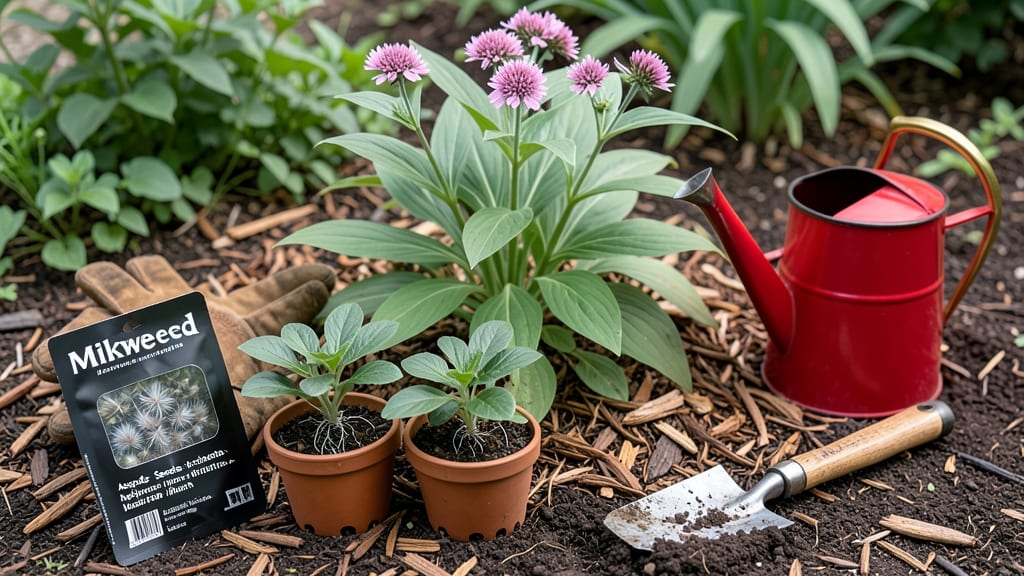
How to grow milkweed for monarch butterflies could turn your garden into a vibrant butterfly highway. 🌱 These delicate orange wings need milkweed to survive—and planting it is easier than you think, even if you've only got a small yard or balcony. Start with native milkweed varieties like Asclepias tuberosa (butterfly weed) or Asclepias syriaca (common milkweed), which thrive in full sun and well-draining soil. Monarchs will find your garden if you give them this one essential plant. Just avoid overwatering; milkweed hates soggy roots. By late summer, you'll see caterpillars munching away, then chrysalises hanging like tiny art installations. The transformation is magical, and your garden becomes a vital stopover for migrating monarchs. Works in gardens, meadows, or containers—just pick the right species for your zone. Let’s get those seeds in the ground!
📚 In This Guide
- What you need
- Instructions
- Tips and common mistakes
- Wrapping up and next steps
What you need
- ● Milkweed seeds: Choose native species like Asclepias tuberosa (butterfly weed) or Asclepias syriaca (common milkweed). Buy from reputable suppliers (e.g., blank">Native American Seed or blank">Swallowtail Garden). Quantity: 1–2 packets (enough for 50+ plants).
- ● Seed-starting mix: Lightweight, well-draining potting soil (avoid garden soil—it’s too dense). Quantity: 1–2 cubic feet.
- ● Containers: Seed trays, small pots (3–4 inches deep), or even recycled containers with drainage holes. Quantity: 1–2 per seed packet.
- ● Drainage trays: To catch excess water and prevent root rot.
- ● Grow lights or sunny windowsill: Milkweed seeds need light (12–16 hours/day) to germinate. A blank">full-spectrum LED grow light works best.
- ● Spray bottle: For gentle watering (avoid over-saturating seeds).
- ● Plant markers: Small labels or popsicle sticks to track varieties.
- ● Sunlight: Full sun (6+ hours/day)—milkweed thrives in open, sunny spots.
- ● Soil: Well-draining, slightly sandy or loamy soil. Amend heavy clay with compost or perlite.
- ● Space: Mature milkweed plants spread 2–4 feet wide. Leave 1–2 feet between plants for airflow.
- ● Water source: A hose with a gentle spray nozzle or drip irrigation.
- ● Cold stratification: A blank">refrigerator or blank">seed stratification kit to speed up germination (especially for common milkweed).
- ● Fungicide: Like blank">neem oil or copper fungicide to prevent damping-off disease in seedlings.
- ● Pollinator-friendly companions: Plant bee balm, coneflowers, or asters nearby to attract monarchs year-round.
- ● Protective netting: For young plants to deter deer or rabbits.
Step-by-Step instructions for growing milkweed for monarch butterflies
Here's how to create a thriving monarch magnet with minimal fuss—your garden will become a stopover sanctuary.
🌱 Step 1: Select the Right Milkweed Variety for Your Climate
Monarchs need Asclepias species native to your region—each variety thrives in specific zones. For northern gardens, common milkweed (Asclepias syriaca) or swamp milkweed (Asclepias incarnata) work best. Southern growers should choose butterfly weed (Asclepias tuberosa) or antelope horns (Asclepias asperula). Check your USDA hardiness zone to match plants with local monarch migration patterns.
I always buy from native plant nurseries—they sell disease-resistant stock adapted to your soil. Avoid tropical milkweeds like Mexican milkweed (Asclepias curassavica)—while it looks pretty, it can carry OE (Ophryocystis elektroscirrha), a parasite that weakens monarch caterpillars. Stick to native species to protect these delicate pollinators.
🌿 Step 2: Prepare the Planting Site with Full Sun and Well-Draining Soil
Milkweed demands 6+ hours of direct sunlight daily—no exceptions. Monarchs won’t lay eggs on shaded plants. Clear the area of weeds and loosen the top 6 inches of soil with a garden fork. Milkweed tolerates poor soil but grows best in sandy loam with a pH of 6.0-7.5—test your soil if possible.
For heavy clay or waterlogged spots, mix in 2 inches of compost and a handful of perlite to improve drainage. I plant mine in mounded beds—this prevents rot during spring rains. Space plants 18-24 inches apart to allow airflow, which reduces fungal diseases like powdery mildew that can stress milkweed.
💧 Step 3: Plant Seeds or Transplants at the Right Time
Sow seeds outdoors in early spring (March-April) or late summer (August-September) for fall germination. Milkweed seeds need cold stratification—either plant them directly in the ground where they’ll experience winter or refrigerate them in a damp paper towel for 4-6 weeks before sowing. Scatter seeds ¼ inch deep and lightly cover with soil.
For transplants, dig a hole twice as wide as the root ball and place the plant at the same depth it was growing before. Water deeply to eliminate air pockets, then mulch with 2 inches of shredded leaves or straw to retain moisture. Avoid overwatering—milkweed roots rot easily. You’ll see first true leaves in 2-3 weeks if conditions are right.
☀️ Step 4: Maintain with Minimal Water and No Fertilizer
Once established, milkweed is drought-tolerant—water only during prolonged dry spells (when soil feels 3 inches dry). Overwatering leads to weak stems that snap under monarch caterpillars’ weight. I check moisture by pressing my finger into the soil—if it feels like a dry sponge, it’s time to water.
Skip the fertilizer—milkweed grows best in low-nutrient conditions. Too much nitrogen produces lush foliage but fewer flowers, which means fewer eggs and less nectar for adult monarchs. Let the plant focus on flower production instead. Deadhead spent blooms in early summer to encourage a second flush of flowers by late summer—peak migration timing.
⏰ Step 5: Monitor for Monarch Activity and Pest Control
Watch for monarch eggs—tiny yellow dots on the underside of leaves—starting in late spring. Each egg hatches in 3-8 days into a caterpillar that will strip the plant bare. This is normal—milkweed evolved with monarchs, and the plant will regrow. If you see too many caterpillars (more than 5-6 per plant), gently relocate some to other milkweed patches in your garden.
Predators like ladybugs and lacewings help control aphids and milkweed beetles, which can defoliate plants. Spray off beetles with a strong stream of water—avoid pesticides at all costs. A healthy milkweed plant with multiple stems can support dozens of caterpillars without stress. By late summer, you’ll see chrysalises hanging from stems—this is your reward for patience.
Tips & tricks for thriving monarch-friendly milkweed
Here’s what I’ve learned after years of growing milkweed—and how to avoid the pitfalls that trip up even experienced gardeners.
Native Species Selection: When choosing between common milkweed (Asclepias syriaca) for northern climates or butterfly weed (Asclepias tuberosa) for the south, consider your local monarch migration routes. I’ve seen monarchs completely bypass non-native varieties like Mexican milkweed (Asclepias curassavica), even when it’s blooming beautifully. The OE parasite risk alone makes native species non-negotiable for conservation-minded gardeners.
Soil Preparation Strategy: The 6-inch soil loosening in Step 2 isn’t just about roots—it’s about creating an oxygen-rich zone that prevents waterlogging. For heavy clay soils, I mix in equal parts compost and perlite to create pockets of air. Pro tip: Test your soil pH before planting. Milkweed thrives in the 6.0-7.5 range, but most garden soils run acidic without amendment. A simple lime application can make all the difference in northern gardens where soil pH often skews lower.
Stratification Shortcut: That 4-6 week cold stratification requirement can feel tedious, but here’s my hack: Plant seeds directly in the ground in late fall (November). The natural freeze-thaw cycles will handle stratification for you—no refrigerator needed. Just mark the spot well so you don’t accidentally dig them up in spring. This method gives you a head start on the 2-3 week germination window mentioned in Step 3.
Watering Wisdom: The "3 inches dry" moisture check in Step 4 is brilliant, but I’ve found an even better indicator: Lift a plant gently by its leaves. If the stems feel light and the soil pulls away cleanly, it’s time to water. Overwatering is the #1 reason milkweed fails—those taproots need air as much as they need moisture. And remember, once established, these plants are drought-tolerant. The key is getting them through that first critical year without water stress.
Pro Tips for Grow Milkweed For Monarch Butterflies
- Here’s what I’ve learned after years of growing milkweed—and how to avoid the pitfalls that trip up even experienced gardeners.
- Native Species Selection: When choosing between common milkweed (Asclepias syriaca) for northern climates or butterfly weed (Asclepias tuberosa) for the south, consider your local monarch migration routes.
- Soil Preparation Strategy: The 6-inch soil loosening in Step 2 isn’t just about roots—it’s about creating an oxygen-rich zone that prevents waterlogging.
Frequently asked questions
about growing milkweed for monarch butterflies—because every gardener deserves a little clarity!What’s the best time of year to plant milkweed?
Plant milkweed seeds in early spring (after the last frost) or late summer for fall blooms. If sowing seeds directly, they need stratification (cold treatment)—either plant them in fall or refrigerate them for 4–6 weeks before spring planting. Transplants can go in anytime soil is workable.
Will milkweed attract pests other than monarchs?
Yes! Milkweed may host aphids, spider mites, or even milkweed beetles, but these pests are usually harmless to your garden. Monarchs outcompete many pests, and the occasional aphid is a small trade-off for supporting butterflies. Spray with soapy water only if pests become overwhelming.
Can I grow milkweed in containers or small spaces?
Dwarf varieties like Asclepias tuberosa (butterfly weed) or Asclepias curassavica (tropical milkweed) thrive in pots (12"+ depth). Use well-draining soil and place containers in full sun. Just ensure the pot stays lightweight—milkweed roots can get heavy!
How long does it take for milkweed to grow and flower?
From seed, milkweed typically takes 6–12 weeks to sprout and 2–3 months to flower (longer in cooler climates). Fastest results come from transplants—look for 4–6" plants in spring. Patience pays off: mature plants (2–4' tall) support generations of monarchs!
Are there milkweed alternatives if monarchs don’t visit?
If monarchs skip your garden, try swamp milkweed (Asclepias incarnata) or poke milkweed (Asclepias exaltata)—both are native and irresistible. Also, plant native nectar flowers like coneflowers or asters to lure them in. Persistence is key: monarchs often return once they discover your oasis!
Why aren’t monarchs laying eggs on my milkweed?
Check these fixes: 1) Ensure leaves are healthy and pest-free. 2) Plant in sunny, sheltered spots (monarchs avoid windy areas). 3) Add nectar sources nearby (e.g., milkweed + zinnias). 4) Wait until late spring/early summer—monarchs time egg-laying with fresh growth!
Wrapping up and next steps
Growing milkweed for monarch butterflies is a rewarding way to support these iconic pollinators while creating a vibrant, eco-friendly garden. By choosing the right species, preparing the soil, and providing consistent care, you’ll soon see your garden become a monarch magnet! 🌱
Ready to take the next step? Start small—even a single patch of milkweed makes a difference. Share your progress with local conservation groups or tag us on social media—your efforts inspire others to join the movement! 🦋✨