
Size
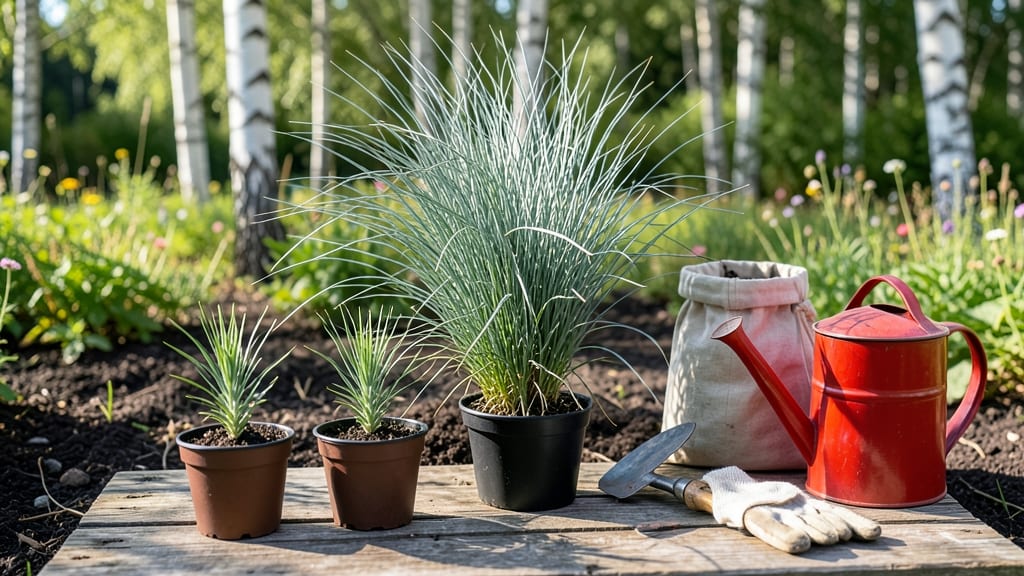
How to grow sweetgrass will begin with the first fragrant braid you create, its scent carrying the weight of childhood memories. 🌱 This delicate native grass thrives in sunny meadows and along riverbanks, where its fragrant stems become sacred bundles for ceremonies, medicine bags, and cultural traditions. Growing it in your garden connects you to generations of Indigenous wisdom while creating living braiding material that no store can replicate.
Sweetgrass (Hierochloe odorata) loves full sun and tolerates poor soil better than most perennials. Plant it in well-draining earth where it can spread naturally—dividing clumps every 3-4 years keeps it vigorous.
The secret? Keep soil slightly moist but never soggy, and watch as those signature arching stems appear by midsummer, each one packed with the signature vanilla-citrus scent that makes it so special.
By late summer, you'll harvest enough stems to braid your first bundle—just snip the flowering stalks before they seed. The scent intensifies as you dry them, and once braided, they'll last for years.
This isn't just gardening; it's cultivating a living piece of cultural heritage that grows stronger with each season.
Works beautifully in wildflower gardens, pollinator-friendly meadows, or even large containers. The more you grow, the more you'll understand why this grass has been called "the breath of God" by many Indigenous peoples. Let's get those first plants in the ground.
📚 In This Guide
- What you need
- Instructions
- Tips and common mistakes
- Wrapping up and next steps
What you need
- ● Sweetgrass seeds: 1–2 oz (28–57g) of high-quality, organic seeds (ensure they’re Hierochloe odorata, not hybridized varieties).
- ● Growing containers: Seedling trays (1020-cell or 72-cell) or
- ● Small pots (3–4 inches in diameter) with drainage holes.
- ● Growing medium: Seed-starting mix (sterile, peat-based or coco coir blend).
- ● Well-draining potting soil (for transplanting).
- ● Sunlight: A sunny windowsill (6+ hours/day) or a grow light (12–16 hours/day).
- ● Watering can or spray bottle: Fine mist for seeds, gentle watering for seedlings.
- ● Humidity dome or plastic wrap: To retain moisture during germination.
- ○ Fertilizer (optional but helpful): Balanced liquid fertilizer (5-5-5 or 10-10-10, diluted to half-strength).
- ● OR organic compost tea for a gentler boost.
- ● Sunlight: Full sun to partial shade (4–6 hours/day minimum).
- ● Soil: Well-draining, slightly acidic (pH 5.5–6.5). Amend clay soil with compost or sand.
- ● Space: 12–18 inches between plants (sweetgrass spreads slowly but forms clumps).
- ● Mulch: Straw or shredded leaves to retain moisture and suppress weeds.
- ● Heirloom or wild-harvested sweetgrass seeds for stronger scent and tradition.
- ● Grow light on a timer for consistent indoor lighting.
- ● pH test kit to monitor soil acidity.
- ● Hand pruners or scissors for harvesting (sterilize with rubbing alcohol).
- ● Journal or notebook to track growth stages and harvest dates.
Step-by-Step instructions for cultivating sweetgrass
Sweetgrass thrives when you mimic its natural woodland habitat—here’s how to create those ideal conditions.
🌱 Step 1: Select and Prepare the Planting Site
Sweetgrass prefers partial shade with dappled sunlight—think 4-6 hours of morning sun followed by afternoon shade. Choose a spot with well-draining soil that stays consistently moist but never soggy. If your soil is heavy clay, amend it with 2-3 inches of organic compost mixed into the top 6 inches. I like to test drainage by digging a 6-inch hole, filling it with water, and watching how quickly it drains—if it takes longer than 2 hours, you’ll need to improve drainage.
Sweetgrass spreads slowly but steadily, so give it 2-3 feet of space in all directions for mature growth. Avoid low-lying areas where cold air settles, as sweetgrass is sensitive to frost damage. If planting in containers, use a 12-inch diameter pot with drainage holes—just be prepared to move it indoors during winter in colder climates.
💧 Step 2: Plant Bare-Root or Potted Sweetgrass Correctly
If starting with bare-root plants, soak the roots in lukewarm water for 15-20 minutes before planting to rehydrate them. Dig a hole twice as wide as the root ball but only as deep as the plant’s crown (where roots meet stems). Gently loosen the roots and position the plant so the crown sits just above soil level—burying it too deep can cause rot, while setting it too high may expose it to temperature swings.
For potted plants, remove the container and tease the roots apart if they’re circling. Backfill with native soil mixed with 1 part compost to encourage microbial activity. Press the soil lightly around the base to eliminate air pockets, then water deeply until moisture reaches 4-6 inches down. You’ll know it’s right when the soil surface looks damp but not glistening.
☀️ Step 3: Establish a Consistent Watering and Mulching Routine
Sweetgrass needs 1-1.5 inches of water weekly, either from rainfall or supplemental watering. Check moisture by sticking your finger 2 inches into the soil—if it feels dry, water thoroughly at the base. Avoid overhead watering, which can promote fungal diseases. I schedule watering in the early morning to reduce evaporation and let foliage dry quickly.
Apply a 2-inch layer of organic mulch (like shredded hardwood or pine needles) around the base, keeping it 2 inches away from the stems. This mimics the leaf litter found in sweetgrass’ native forest floor. Mulch helps retain moisture, suppress weeds, and regulate soil temperature. Replenish mulch annually in early spring to maintain its protective layer.
✂️ Step 4: Prune and Harvest for Sacred Bundles
Sweetgrass grows in clumps, so divide mature plants in early spring when new growth appears. Dig up the clump, separate the sections with a clean knife, and replant immediately. This keeps plants vigorous and prevents overcrowding. I harvest only 1/3 of the plant at a time, cutting stems 3-4 inches from the base with sharp pruners to encourage bushier regrowth.
For sacred bundles, harvest stems when they’re fully mature—typically in late summer to early fall—when the blades are dry and golden. Bundle stems with sweetgrass ribbon or raffia, leaving 6-8 inches of stem attached to the plant. Never harvest more than 20% of the plant in a single season, or you’ll weaken it permanently. Store bundles in a cool, dry place away from direct sunlight.
Tips & tricks for cultivating sweetgrass
These insider strategies will help you nurture thriving sweetgrass that thrives for generations.
Location is Everything: When selecting your planting site in Step 1, pay close attention to the morning sun angle—sweetgrass needs that gentle sunlight to establish strong roots. I've found that planting near the eastern edge of a wooded area provides perfect dappled light conditions. If you're in a fully open area, use a 30% shade cloth during peak afternoon hours to mimic woodland conditions. This prevents sunburn while still allowing enough light for photosynthesis.
Root Care During Transplanting: In Step 2, that 15-20 minute root soak is crucial for bare-root plants, but don't skip gently loosening the roots even with potted plants. I've seen many gardeners skip this step, only to have their sweetgrass struggle for years. Use your fingers to carefully separate circling roots—this encourages outward growth rather than a compact root ball. The goal is to create a natural root spread that mimics the plant's woodland habitat.
Mulching Like the Forest Floor: The 2-inch mulch layer in Step 3 isn't just for aesthetics—it's a critical moisture regulator. I recommend using a mix of shredded hardwood mulch and pine needles (about 50/50) because pine needles naturally acidify the soil slightly, which sweetgrass prefers. Refresh this layer every spring before new growth appears, and always keep it 2 inches away from stems to prevent rot. This mimics the natural leaf litter that protects sweetgrass in its native environment.
Harvesting Strategy: When harvesting for sacred bundles in Step 4, I've found that harvesting in the early morning after dew has dried gives you the cleanest, most vibrant stems. Always harvest only from mature plants (those with at least 3 years of growth), and never take more than 20% of the plant's total foliage in any single season. This sustainable approach ensures your sweetgrass will continue producing for decades.
Pro Tips for Grow Sweetgrass
- These insider strategies will help you nurture thriving sweetgrass that thrives for generations.
- Location is Everything: When selecting your planting site in Step 1, pay close attention to the morning sun angle—sweetgrass needs that gentle sunlight to establish strong roots.
- Root Care During Transplanting: In Step 2, that 15-20 minute root soak is crucial for bare-root plants, but don't skip gently loosening the roots even with potted plants.
Frequently asked questions
Got questions about growing sweetgrass?
You’re not alone! Here are answers to the most common concerns—from timing to troubleshooting—to help you cultivate this sacred plant with confidence.
How long does it take for sweetgrass to mature?
Sweetgrass typically takes 2–3 years to reach full maturity and produce those iconic, silvery-green blades. In the first year, focus on establishing a strong root system by keeping the soil moist and free of weeds. Patience is key—once mature, it can thrive for decades with minimal care!
When is the best time to plant sweetgrass?
The ideal time to plant sweetgrass is in early spring (March–April) or early fall (September–October). This gives the roots time to establish before extreme heat or cold sets in. Avoid planting in summer, as the intense sun can stress young plants.
Can I grow sweetgrass in a pot instead of the ground?
Yes! Sweetgrass adapts well to large containers (at least 12–18 inches deep) with drainage holes. Use a mix of native soil and compost to mimic its natural habitat. Just ensure the pot gets full sun and you water it consistently. Containers are great for small spaces or urban gardens!
Why is my sweetgrass turning yellow or dying?
Yellowing or wilting sweetgrass often signals overwatering, underwatering, or pests. Check the soil—it should stay moist but not soggy. Spider mites or aphids can also be culprits; spray with neem oil if you spot tiny bugs. Ensure good airflow and avoid crowding plants to prevent fungal issues.
Is sweetgrass invasive? Will it spread uncontrollably?
No, sweetgrass is not invasive—it spreads slowly via rhizomes (underground stems) and stays contained if given enough space. It’s a perennial, so it returns yearly but won’t take over like aggressive weeds. Just give it room to grow (about 2–3 feet apart) and enjoy its low-maintenance beauty!
Wrapping up and next steps
Growing sweetgrass is a rewarding journey that connects you to tradition, sustainability, and the beauty of native plants. 🌱 By following these steps—selecting the right location, preparing the soil, and nurturing your plants with patience—you’ll soon have lush bundles ready for sacred use, crafts, or even gifting. Remember, every blade of sweetgrass carries cultural significance, so tend to it with care and respect.
Now that you’re equipped with the know-how, why not take the next step? Share your sweetgrass-growing adventure with fellow gardeners, explore local Indigenous communities for cultural guidance, or even experiment with companion plants to enhance your garden’s harmony. Happy growing! ✨