
How To
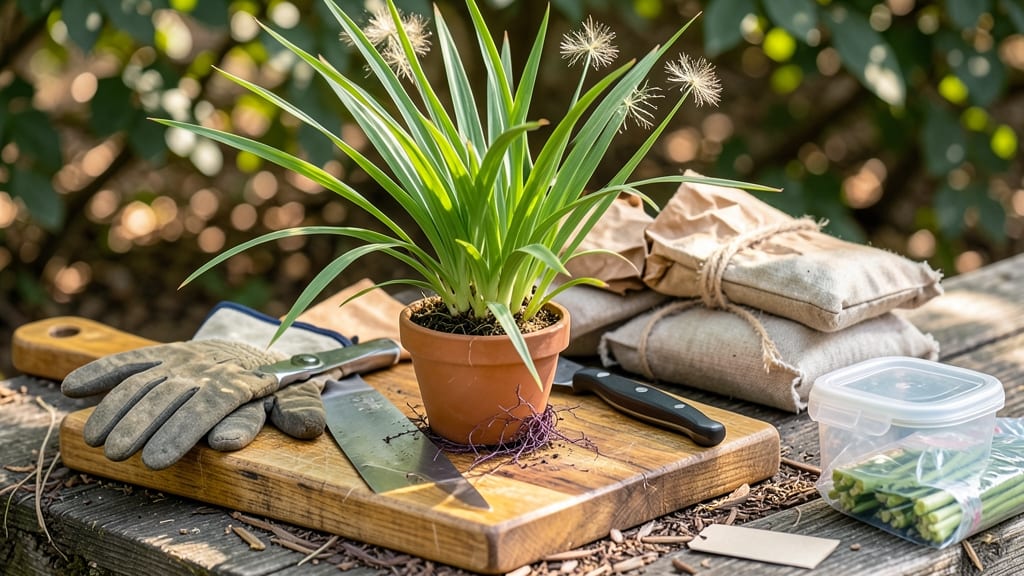
Harvesting and storing lemongrass the right way can mean the difference between a fragrant, flavor-packed herb and one that goes limp or bitter in just days. If you've ever struggled with wilted stalks or lost that bright citrus punch, you're not alone—and the fix is simpler than you think.
This vibrant 🌿 lemongrass isn't just for Thai curries or homemade teas; it's packed with medicinal benefits too. But to unlock its full potential, timing and storage matter.
Whether you're a home gardener in Zone 6a or a kitchen enthusiast, mastering these techniques will keep your lemongrass fresh for 3+ weeks without browning or flavor loss.
I’ll walk you through the exact moment to harvest (hint: it’s not when it first sprouts) and the best methods to store it—whether you prefer refrigeration, freezing, or drying. No more wasted herbs or last-minute grocery runs!
By the end, you’ll know how to cut, handle, and preserve lemongrass so it stays as vibrant as the day you plucked it. Ready to transform your cooking—and your herb game?
When and how to harvest lemongrass for maximum freshness
Harvesting lemongrass at the right time ensures peak flavor and citrus potency. The ideal harvest window is when stalks reach 12-18 inches tall—this is when their lemony aroma is strongest and leaves are fully elongated.
Wait until the base shows new shoots, signaling maturity without letting the plant flower, which dulls flavor.
Use a sharp knife or pruning shears to cut stalks 2-3 inches above ground. This encourages regrowth while preserving the plant’s energy. Always harvest on a dry morning to minimize moisture loss and bacterial growth.
Avoid harvesting when soil is wet, as this can cause rot at the cut stem.
Pro Tip: Crush a leaf between your fingers before cutting—if it releases a bright citrus scent, it’s ready. If the aroma is faint, wait 1-2 weeks for full maturity. Over-harvesting weakens the plant, so leave at least 3-4 stalks per clump for continued growth.
Never pull stalks from the ground—this damages roots and can kill the plant. Instead, cut cleanly at a 45-degree angle to increase surface area for faster regrowth. Store harvested stalks in a paper towel-lined container in the fridge until ready to use or process.
For year-round harvests, plant lemongrass in USDA Zones 9-11 where it thrives outdoors. In cooler climates, grow it in containers and bring indoors before frost. A single healthy plant can yield harvests every 6-8 weeks with proper care.
✂️ Harvesting Tools You’ll Need:
- Sharp knife or pruning shears (sterilized)
- Clean cutting board (for prep)
- Paper towels (for drying)
- Plastic wrap or breathable bag (for temporary storage)
Step-by-Step Harvesting Guide
- 1 Check stalk height: Ensure stalks are 12-18 inches tall with vibrant green leaves.
- 2 Inspect aroma: Crush a leaf—strong citrus scent means it’s ready.
- 3 Cut at base: Use shears to slice 2-3 inches above ground at a 45-degree angle.
- 4 Remove lower leaves: Strip off yellowed or damaged leaves before storage.
- 5 Store immediately: Wrap stalks in paper towels and refrigerate for up to 3 weeks.
Harvesting younger stalks (8-12 inches) yields tender shoots ideal for stir-fries or soups, while mature stalks (18+ inches) are best for infusions or teas.
Always leave the hard, woody base intact—this protects the plant’s growth point. If you see white flower buds, harvest immediately, as flowering reduces flavor.
For commercial growers, space plants 18-24 inches apart to maximize yield. In home gardens, a 3-gallon pot supports 1-2 plants with proper drainage. Mulch around the base to retain moisture and prevent weeds, which compete for nutrients. With consistent care, one plant can produce harvests for 2+ years.
After harvesting, rinse stalks under cool water to remove dirt, then pat dry with a clean towel. Store them upright in a glass of water on the countertop for 5-7 days if you’ll use them quickly. This mimics their natural growth environment and keeps them crisp.
🌿 Common Mistakes to Avoid:
- Harvesting too early (stalks under 10 inches)
- Using dull tools (causes crushing and bruising)
- Storing in plastic bags (traps moisture, speeds rot)
- Ignoring new growth signals (leads to flavor loss)
Best storage methods to prevent browning and preserve flavor
Storing lemongrass properly is the key to unlocking its full potential. Once harvested, these citrus-scented stalks can last 3+ weeks if stored correctly—whether you're prepping for homemade teas or culinary dishes.
The wrong method, however, leads to rapid browning and flavor loss. Let’s explore the top 3 storage techniques that work best for your garden harvest.
Your storage choice depends on how quickly you plan to use the lemongrass. For immediate use within 2 weeks, refrigeration works wonders. If you’re stocking up for long-term use, freezing or drying is the way to go.
Each method has unique steps and shelf-life benefits, so let’s break them down for maximum freshness.
For refrigeration, the secret lies in keeping the stalks hydrated. After trimming the roots, wrap them in a damp paper towel to mimic their natural moisture levels. Place them in a sealed container with a loose lid to allow airflow—this prevents condensation buildup, which causes mold.
Store them in the crispest drawer of your fridge for up to 3 weeks while maintaining their vibrant green color and citrusy aroma.
When freezing lemongrass, chop the stalks into 2-inch pieces for easy use later. You can freeze them whole in airtight bags or get creative by storing chunks in ice cube trays with water (perfect for broths!).
Label your freezer bags with the date—frozen lemongrass retains its flavor for 6-12 months, making it ideal for batch cooking or preserving your garden’s bounty.
If you prefer long-term storage without electricity, drying is your best bet. Bundle 5-6 stalks together and hang them upside-down in a dry, dark, well-ventilated area for 2-3 weeks.
Once completely dry, strip the leaves and store them in an airtight jar away from light. Dried lemongrass keeps for 12+ months and works beautifully in homemade teas or spice blends.
Pro tip: Avoid storing lemongrass with ethylene-producing fruits like apples or bananas—they speed up browning. Keep it separate to preserve that bright citrus scent for as long as possible! 🌿