
How To
When to harvest catnip seeds: the perfect timing for maximum yield
Timing is everything when harvesting catnip seeds. Miss the window, and you risk collecting seeds that won’t germinate—or worse, losing them entirely to wind or wildlife. The key is watching for visual cues in the plant’s flower development and understanding how climate zones affect your harvest schedule.
Catnip flowers typically bloom in late summer (July–August in most regions), but the exact timing depends on your USDA hardiness zone.
In warmer zones (8–10), flowers may appear as early as June, while cooler zones (3–6) might see blooms stretching into September. Regional adjustments are critical—don’t rush the process based on a neighbor’s timeline.
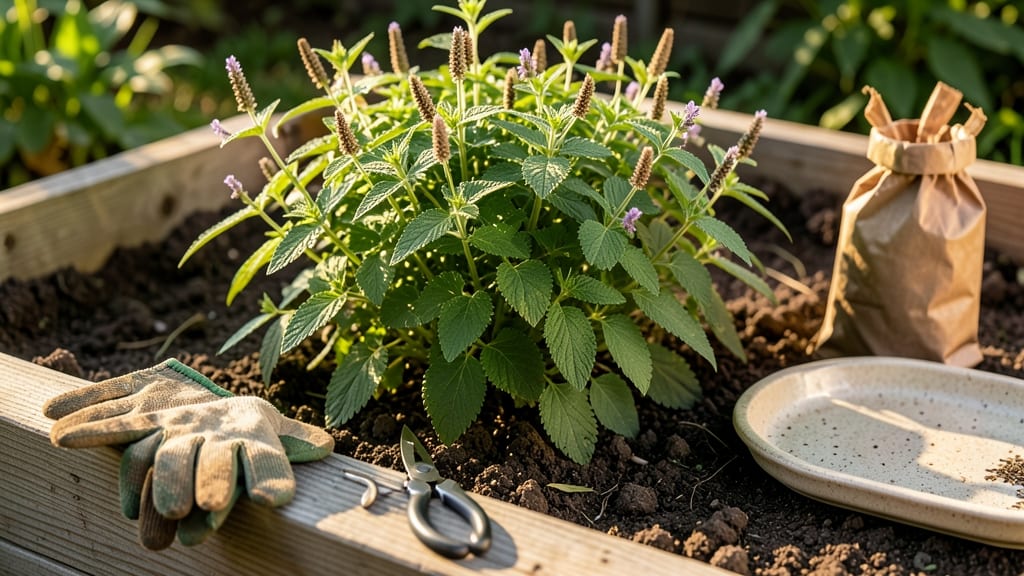
Here’s what to look for: flower spikes start as pink or white buds but mature into brown, papery seed heads. The transition from green to brown signals readiness.
However, the seeds inside must also be fully dried—if they rattle when you shake the flower head, they’re ready. Morning dew disappearing by mid-morning is another telltale sign.
Harvesting too early means immature seeds with low viability, while waiting too long risks seed shatter, where seeds scatter before you can collect them.
In my Zone 6a garden, I aim to harvest by mid-September to beat the first frost, but I always check the weather forecast to adjust.
Pro Tip: Mark your calendar based on your first frost date. Catnip seeds need 2–3 weeks of dry weather to mature fully, so plan your harvest 3 weeks before frost in cooler climates. For example, if frost hits October 30, start harvesting by September 15.
| Stage | Visual Cues | Action | Climate Note |
|---|---|---|---|
| Bud Stage | Pink/white flower spikes | Monitor growth | Warmer zones bloom earlier |
| Early Bloom | Flowers open, seeds white | Wait—seeds aren’t ready | Avoid harvesting now |
| Optimal Harvest | Brown, papery heads; seeds rattle | Harvest immediately | 3 weeks before frost |
| Overripe | Seeds scatter easily | Too late—collect fallen seeds | Common in windy areas |
Pay attention to the plant’s overall health too. If leaves start yellowing or dying back, it’s a sign the plant is redirecting energy to seed production. This is your final warning to harvest before the plant senesces completely.
In my experience, catnip plants in full sun produce 2–3x more seeds than those in partial shade, so prioritize sunny spots for seed harvests.
One common mistake I see is harvesting based on flower color alone. While brown flower heads are a good sign, they’re not enough—you must also confirm the seed rattling test.
I like to cut a few flower spikes, shake them over a brown paper bag, and listen for that unmistakable rattle. If it sounds hollow, the seeds are ready.
For gardeners in humid climates, like the Southeast, mold can be a concern. Harvest on dry, sunny mornings to allow flower heads to dry naturally.
In arid regions, like the Southwest, seeds may dry faster, so monitor them closely to avoid shatter. Regional microclimates matter—my backyard in Zone 6a often needs a few extra days of drying compared to a neighbor’s slightly warmer microclimate.
Finally, don’t overlook the moon phase if you’re into lunar gardening. Some gardeners swear by harvesting seeds during a waning moon for better viability. While science doesn’t back this, I’ve found it’s a useful reminder to harvest consistently rather than procrastinating.
The goal is always the same: collect seeds at peak maturity for the best chance of next year’s garden success.
Step-by-step catnip seed harvesting methods: hands-on techniques for beginners
Harvesting catnip seeds requires patience and precision—one wrong move, and those precious seeds will scatter like dandelion fluff. Start by gathering your tools: a pair of clean, sharp pruning shears, a paper bag or envelope for collection, and a drying tray lined with parchment paper.
Work on a dry, sunny day to minimize moisture and speed up the drying process.
Once your tools are ready, focus on the flower spikes. These are the key to a bountiful seed harvest. Look for spikes that have turned a uniform brown color and feel dry to the touch.
Avoid harvesting spikes that are still green or partially pink—they won’t yield viable seeds. The ideal time to harvest is when the flower heads are fully mature but haven’t yet begun to shatter.
🌱 Step-by-Step Catnip Seed Harvesting Guide
- Step 1: Gently snip the flower spikes at the base using clean shears. Avoid damaging the plant’s foliage.
- Step 2: Place the harvested spikes in a paper bag or envelope to prevent seeds from escaping.
- Step 3: Hang the bag upside down in a dry, well-ventilated area for 1-2 weeks to fully dry.
- Step 4: Once dry, gently rub the flower heads between your fingers or a sieve to release the seeds.
- Step 5: Store the seeds in an airtight container in a cool, dark place for long-term preservation.
After harvesting, drying the seeds properly is critical. Spread the flower spikes on a drying tray in a single layer, ensuring they aren’t touching. Place the tray in a warm, dry location away from direct sunlight, which can overheat and damage the seeds.
A well-ventilated area like a garage or shed works perfectly. In about 1-2 weeks, the seeds will be fully dried and ready for processing.
Once the flower heads are completely dry, it’s time to extract the seeds. Hold a dried flower spike over a paper bag or envelope and gently rub or shake it to release the seeds. You can also use a fine-mesh sieve to catch any stray seeds that might fall through.
This step is satisfying—watch as the tiny seeds rain down like nature’s confetti! Store the collected seeds in a labeled, airtight container to keep them fresh for next year’s planting.
One common mistake beginners make is harvesting seeds too late. If you wait until the flower heads shatter on their own, the seeds will scatter across your garden, making collection nearly impossible. Always harvest when the flower heads are brown and crispy but still intact.
Another tip: avoid harvesting seeds from plants that have been treated with pesticides, as this can reduce their viability and harm your future garden.
With these techniques, you’ll ensure a high-quality seed harvest that’s ready for replanting or sharing with fellow gardeners. Happy harvesting—your future catnip plants will thank you! 🌿