
Picking
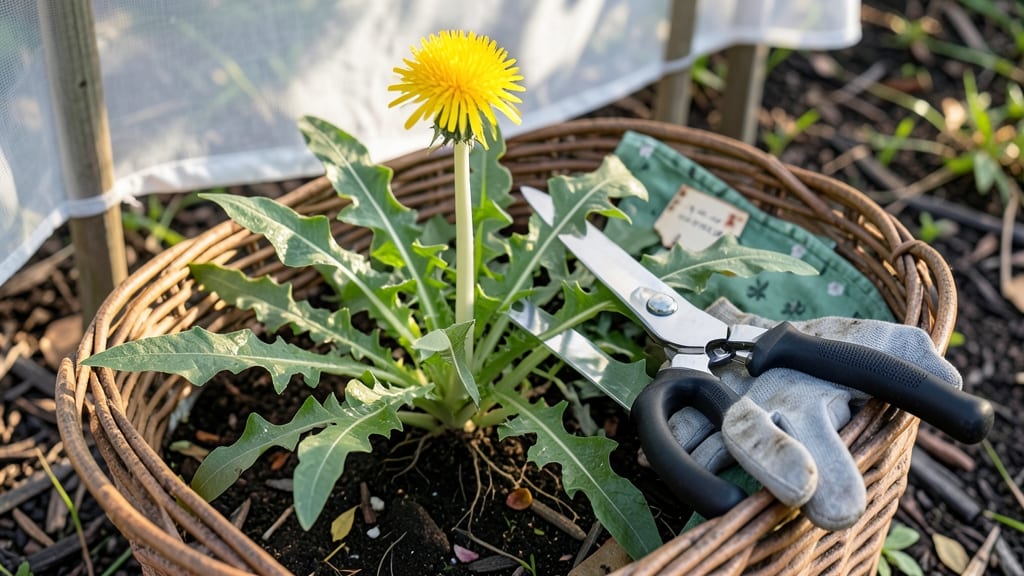
Your lawn’s dandelions are nature’s secret tea stash. 🌼 Spring’s the perfect time to harvest those bright yellow blooms and tender leaves for a bitter, earthy brew that tastes like sunshine in a cup.
You’ll need just a few things: clean scissors or gloves, a basket for collecting, and a sunny spot to dry them if you’re not using fresh. Harvest leaves before buds form, and pick flowers when fully open—both packed with flavor. Avoid roadsides where chemicals might linger.
Fresh tea steeps quickly (5-10 minutes), while dried leaves make a stronger brew. Store dried dandelions in airtight jars away from light, and they’ll keep for months. Add honey or lemon to balance the bitterness if you like.
Pro tip: Use only organic dandelions from pesticide-free areas. If you’re unsure, try a small batch first—some people love the bold flavor, while others prefer it milder. Either way, you’re turning weeds into wellness!
📚 In This Guide
- What you need
- Instructions
- Tips and common mistakes
- Wrapping up and next steps
What you need
- ● Fresh dandelion leaves – Harvest only organic, pesticide-free plants (avoid roadsides or treated lawns). Aim for 1–2 cups of leaves per 1 quart of water for a standard brew.
- ● Scissors or pruning shears – Sharp, clean tools to snip leaves (avoid tearing them). A small pair (4–6 inches) works best for precision.
- ● Large bowl or colander – To rinse and drain leaves. A stainless steel or glass option is ideal (avoid plastic for long-term storage).
- ● Clean water – Filtered or spring water (avoid chlorinated tap water for the best flavor). 1 quart (32 oz) per batch is standard.
- ● Tea infuser, mesh bag, or cheesecloth – To strain leaves. A fine-mesh infuser (0.5mm holes or smaller) prevents bitterness from sediment.
- ● Pot or kettle – For heating water. A stainless steel or enamel-coated pot (1–2 quart capacity) distributes heat evenly.
- ○ Optional: Honey, lemon, or cinnamon – To enhance flavor (add after steeping).
- ● Glove – Protects hands from sap (latex or nitrile works best).
- ● Labeling tags – If drying leaves for later use (write the harvest date!).
- ● Food dehydrator or oven – For drying leaves if you want to store them long-term.
- ○ pH strips (optional) – To test water hardness if you’re sensitive to minerals.
Step-by-step instructions for harvesting dandelions for tea
Turn that "weed" into a vibrant, health-boosting brew with these simple steps.
🌱 Step 1: Identify and Select Healthy Dandelions
Pick dandelions from pesticide-free areas—your lawn works if it's chemical-free. Look for plants with bright green, unblemished leaves and no yellowing edges. The younger the leaves, the milder the flavor, so harvest early in the season or choose the tender new growth near the base.
Check the undersides of leaves for pests like aphids or signs of disease like brown spots. Avoid plants growing near roadsides or areas treated with herbicides. I like to harvest on cool mornings when leaves are crisp and full of moisture—this makes them easier to clean and preserves their freshness longer.
✂️ Step 2: Harvest Leaves Properly
Use clean, sharp scissors or a knife to cut leaves just above the base, leaving the roots intact. This encourages regrowth and means you can harvest the same plant multiple times. Never pull the whole plant—you want the roots to stay healthy for future harvests and to prevent spreading seeds.
Collect about 1 cup of leaves per serving (about 4 servings total). You'll need roughly 4-5 cups of leaves for a full pot of tea. Place leaves in a clean bowl or basket right after harvesting to keep them fresh. If you can't process them immediately, store them in a plastic bag in the fridge for up to 3 days.
💧 Step 3: Clean and Prepare the Leaves
Rinse the leaves thoroughly under cold water to remove dirt, insects, or lawn debris. Shake off excess water and spread them on a clean kitchen towel or paper towels. Gently pat them dry—you want them damp but not dripping. This step is crucial for preventing mold and ensuring a clean-tasting tea.
Remove any tough stems or damaged leaves. The tender leaves are what you want for tea. If you're using a food processor, pulse the leaves briefly to chop them finely. This makes steeping easier and releases more flavor. For a coarser texture, you can leave them whole or tear them by hand.
☀️ Step 4: Dry or Use Fresh
For fresh tea, simply steep 1-2 tablespoons of chopped leaves per cup of boiling water for 5-10 minutes. The longer you steep, the stronger and more bitter the tea becomes. Strain and enjoy! I like to add a slice of lemon or a teaspoon of honey to balance the earthy flavor.
To dry the leaves for later use, spread them in a single layer on a baking sheet lined with parchment paper. Place the tray in a warm, dry spot with good airflow—like a sunny windowsill or a dehydrator set to 115°F. Turn the leaves occasionally to ensure even drying. They're ready when completely dry and brittle, which usually takes 2-4 hours. Store dried leaves in an airtight container away from light for up to 6 months.
🧺 Step 5: Brew and Enjoy Your Tea
For dried leaves, use 1 tablespoon per cup of boiling water. Pour the boiling water over the leaves in a teapot or heatproof mug, cover, and let steep for 5-10 minutes. Strain the leaves and pour the tea into your cup. The dried leaves make a stronger, more concentrated tea than fresh ones.
Start with shorter steeping times if you prefer a milder flavor. You can reuse dried leaves for a second or third steeping by adding more hot water. This tea is rich in vitamins, minerals, and antioxidants, so sip it slowly and enjoy the earthy, slightly bitter taste. It pairs wonderfully with breakfast or as an afternoon pick-me-up!
Tips & tricks for perfect dandelion tea harvesting
These simple tricks will help you turn your lawn into a flavorful, nutrient-packed tea stash—without the guesswork.
Harvesting Timing: Early morning is ideal for harvesting because the leaves contain the most moisture and nutrients. Dew-covered leaves are easier to clean and hold their vibrant green color longer. If you can't harvest in the morning, late evening works too—just avoid midday heat, which can make leaves wilt quickly and lose flavor.
Leaf Selection Insight: Focus on the youngest, most tender leaves near the base of the plant—they're the mildest and most flavorful. Older leaves can be bitter, so if you're new to dandelion tea, stick to the first few sets of leaves that appear in spring. The rule of thumb is: the closer to the root, the better the flavor.
Drying Efficiency: For even drying at 115°F, spread leaves in a single layer with space between them. Crowding can trap moisture and lead to mold. If you don't have a dehydrator, a sunny windowsill works perfectly—just rotate the tray every hour to ensure all leaves dry uniformly. Test for doneness by crushing a leaf; it should crumble easily.
Storage Wisdom: Once dried, store leaves in an airtight glass container away from light to preserve their potency. Add a small piece of dried chamomile or mint if you like—it complements the earthy dandelion flavor beautifully. For fresh leaves, keep them refrigerated in a sealed container with a paper towel to absorb excess moisture, extending their freshness for up to 5 days.
Pro Tips for Harvest Dandelions For Tea
- These simple tricks will help you turn your lawn into a flavorful, nutrient-packed tea stash—without the guesswork.
- Harvesting Timing: Early morning is ideal for harvesting because the leaves contain the most moisture and nutrients.
- Leaf Selection Insight: Focus on the youngest, most tender leaves near the base of the plant—they're the mildest and most flavorful.
Frequently asked questions
Got questions about turning those pesky dandelions into golden tea? You’re not alone! Here are answers to the most common queries—so you can brew with confidence.
Can I harvest dandelions if they’ve been treated with pesticides?
No, avoid treated lawns.
Pesticides can linger on plants and contaminate your tea. Stick to organic lawns, roadside ditches (away from heavy traffic), or your own pesticide-free garden. When in doubt, grow your own dandelions in a pot—it’s safer and easier!
What’s the best time of year to pick dandelions for tea?
Spring is ideal!
Harvest leaves and flowers in early spring (March–May) for the most potent flavor. Leaves wilt faster than flowers, so pick them young and tender. Late summer blooms work too, but they’re milder. Avoid harvesting after rain to prevent mold.
Do I need to wash dandelions before drying?
Yes, but gently!
Rinse leaves and flowers with cool water to remove dirt, but avoid soaking them—excess moisture slows drying. Pat dry with a clean towel or paper towels. For extra safety, soak in a vinegar-water solution (1:3 ratio) for 10 minutes to kill pests before drying.
Can I use dandelion roots for tea too?
Absolutely, but they’re used differently.
Roots are roasted and brewed like coffee (see our guide on roasted dandelion root tea). For leaf/flower tea, stick to the tops—roots are bitter and require extra prep. If you’re curious, try both! Roots add depth to blends.
Why does my dandelion tea taste bitter?
It’s normal—but balance it!
Dandelions are naturally bitter, especially leaves. Steep flowers longer (5–10 mins) for sweetness, or add honey/lemon. For milder tea, harvest younger leaves or blend with mint or chamomile. Bitterness fades with proper drying too!
How long can I store dried dandelion tea?
Up to 1 year if stored right.
Keep dried leaves/flowers in an airtight container (glass jars work best) in a cool, dark place. Avoid humidity—moisture causes mold. Label with the date and test a pinch before brewing after 6 months to check freshness.
Wrapping up and next steps
Harvesting dandelions for tea is a simple, rewarding way to turn your yard into a wellness goldmine! 🌼 With just a few tools and a little patience, you can create a delicious, nutrient-packed brew that’s as good for you as it is for the planet.
Whether you’re a seasoned forager or a curious beginner, this earthy, bitter tea is an easy addition to your self-care routine.
Now that you’re ready to harvest, why not share your newfound skills? Invite friends over for a dandelion tea tasting or experiment with flavors—lemon, honey, or a splash of mint can take your brew to the next level. Happy harvesting—and cheers to your first cup! 🍵