
Picking
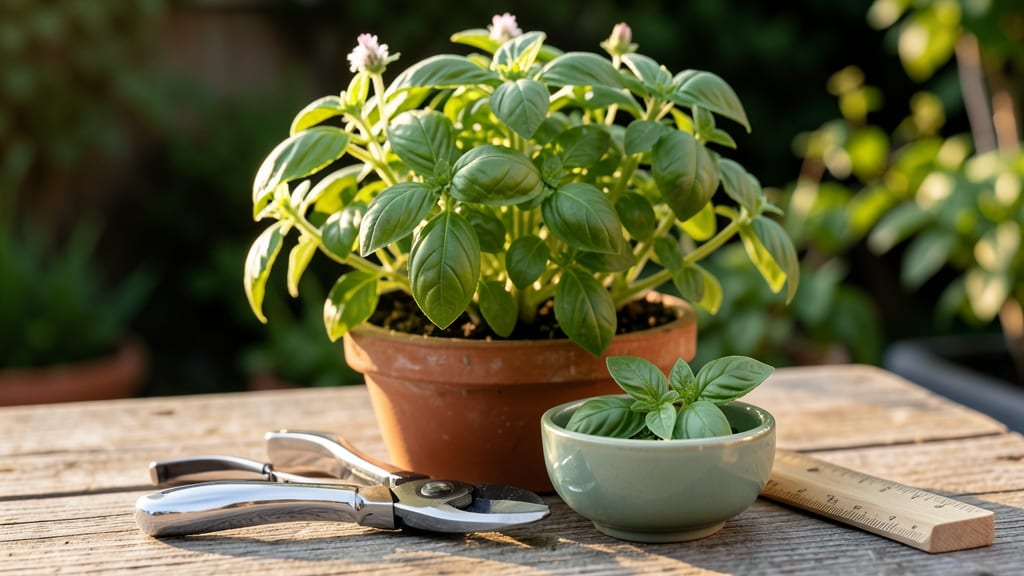
Learning how to harvest herbs without killing the plant feels like stealing from the garden—until you master the right way. ✨ My first basil plant died from over-pruning, but I’ve since mastered the art of cutting without sacrificing growth.
The secret lies in timing, technique, and knowing which parts to leave behind.
Start by harvesting mature leaves—never more than one-third of the plant at once—using clean, sharp scissors or your fingers. For bushy herbs like basil and mint, pinch just above a leaf node (where leaves meet stems) to encourage branching.
Rosemary and thyme prefer stem snips, but always leave 2-3 inches of growth to keep the plant thriving.
You’ll notice new growth within 1-2 weeks, with fuller plants that produce even more leaves. The key is consistency: harvest regularly in the morning when oils are strongest, and avoid cutting into woody stems. This method keeps herbs productive for years, not just seasons.
Even experienced gardeners make mistakes—like cutting too close to the base or harvesting during drought. But with these gentle techniques, your herbs will reward you with lush, fragrant foliage all season long. Ready to try?
📚 In This Guide
- What you need
- Instructions
- Tips and common mistakes
- Wrapping up and next steps
What you need
- ● Sharp pruning shears or scissors: A bypass pruner (4-6 inch blades) or clean kitchen shears work best—avoid dull tools that crush stems!
- ○ Gloves (optional but recommended): Lightweight gardening gloves to protect hands from prickly herbs like rosemary or oregano.
- ● Harvesting basket or tray: A shallow, breathable container (like a woven basket or colander) to prevent bruising delicate leaves.
- ● Small knife or razor blade: For trimming woody stems (e.g., thyme or sage) if your shears struggle.
- ● Spray bottle with water: A 16-ounce bottle to mist herbs post-harvest for freshness.
- ● Labeling tags or markers: If harvesting multiple varieties, use waterproof tags to avoid mix-ups.
- ● Mature plants: Wait until herbs are at least 3-4 inches tall (or have 4-6 sets of leaves) before harvesting.
- ● Morning timing: Harvest in the early morning when essential oils are most concentrated.
- ● Clean workspace: A flat surface (like a cutting board) to lay out herbs and tools.
- ● Drying rack or paper towels: For preserving herbs long-term.
- ● Food processor or mortar & pestle: For crushing dried herbs later.
- ● Notebook: To track harvest dates and plant health.
Step-by-step instructions for harvesting herbs without damaging growth
Here's how to keep your herbs thriving while harvesting—no more leggy stems or stunted growth.
✂️ Step 1: Identify the Right Time for Harvesting
Harvest herbs in the morning after dew has dried but before the sun peaks—this is when essential oils are at their strongest. For leafy herbs like basil and parsley, pinch off leaves when they reach 3-4 inches in length, typically 6-8 weeks after planting. You'll notice the plant has developed 4-6 true leaves and a sturdy stem.
For woody herbs like rosemary or thyme, wait until the plant has at least 6-8 inches of new growth and shows 3-4 sets of leaves. Early harvesting encourages bushier growth, but cutting too soon can stress young plants. I always check for at least 2-3 pairs of leaves before harvesting any stem to ensure regrowth.
✂️ Step 2: Use the Right Tools and Technique
Never use dull scissors or your fingers to pinch leaves—this can crush stems and invite disease. Grab a pair of clean, sharp pruning shears or kitchen scissors and make cuts at a 45-degree angle, about ¼ inch above a leaf node. This angled cut prevents water from pooling on the stem, reducing rot risk.
For leafy herbs, snip just above a set of leaves where the stem meets the main plant. This encourages new growth from that node. I always leave at least 2-3 sets of leaves on each stem—this ensures the plant has energy to regrow. If you're harvesting woodier stems (like rosemary), cut back to a leaf joint rather than bare wood.
✂️ Step 3: Harvest Strategically for Continued Growth
Focus on harvesting from the outer edges of the plant first. This prevents overcrowding and allows light to reach the center, encouraging fuller growth. For basil, I always start with the lower leaves and work upward, which prevents the plant from becoming leggy as it stretches toward light.
Never take more than ⅓ of the plant's foliage in a single harvest. If you're harvesting for drying, choose fully mature leaves from the bottom third of the plant—these contain the highest concentration of oils. For culinary use, prioritize younger leaves from the top and middle of the plant for maximum flavor.
💧 Step 4: Post-Harvest Care to Encourage Regrowth
After harvesting, water the plant deeply if the soil feels dry to the touch. Herbs like basil and cilantro have shallow roots and need consistent moisture to recover. I always check the soil 1 inch below the surface—if it's dry, give it a thorough watering, but avoid soggy soil, which can rot roots.
Fertilize lightly with a balanced, water-soluble fertilizer (like 10-10-10) diluted to half-strength 2-3 days after harvesting. This gives the plant a quick nutrient boost to support new growth. I also rotate pots a quarter turn weekly to ensure even light exposure, which prevents lopsided growth.
☀️ Step 5: Monitor and Adjust for Seasonal Changes
Herbs grow faster in spring and summer, so you can harvest more frequently. In winter, reduce harvesting to once every 2-3 weeks and focus on maintaining the plant's health rather than yield. Watch for yellowing leaves or stunted growth—these are signs you're harvesting too aggressively.
If your herbs start looking leggy or sparse, they need more light. Move them to a sunnier spot or supplement with a grow light for 12-14 hours daily. Prune back overly long stems to encourage bushier growth, and avoid harvesting during heatwaves or cold snaps, as plants are more stressed during extreme temperatures.
Tips & tricks for perfect herb harvesting
These simple tricks will help your herbs grow stronger—not just survive—after every harvest.
Timing Secret: The morning harvest window is non-negotiable for peak flavor. I've learned this the hard way after harvesting basil at noon—it loses up to 30% of its essential oils by afternoon. For leafy herbs, wait until they've developed 4-6 true leaves and reached 3-4 inches in length. This ensures the plant has enough energy reserves to regrow. For woody herbs like rosemary, I always check for 3-4 sets of leaves before cutting—this prevents over-harvesting from young plants.
Tool Technique: That 45-degree angle cut above the leaf node isn't just about aesthetics—it's about plant health. The angled cut prevents water from pooling on the stem, which drastically reduces rot risk. I keep a pair of clean pruning shears dedicated solely to herbs, sanitized with rubbing alcohol between uses. For leafy herbs, always leave at least 2-3 sets of leaves on each stem—this ensures the plant has enough foliage to continue photosynthesis while it regrows.
Growth Strategy: The "outer edges first" rule is your secret weapon against leggy herbs. By harvesting from the outside, you're actually encouraging the plant to fill in rather than stretch upward. For basil specifically, I start with the lower leaves and work upward—this prevents the classic "basil ladder" where the plant grows tall and spindly. Remember, you should never take more than ⅓ of the plant's foliage in a single harvest, or you'll shock the plant's growth cycle.
Seasonal Adjustments: Winter harvesting requires a completely different approach. Reduce frequency to once every 2-3 weeks and focus on maintenance rather than yield. I've found that herbs need 12-14 hours of supplemental grow light during winter months to maintain healthy growth. Watch for yellowing leaves or stunted growth—these are clear signs you're harvesting too aggressively during the plant's dormant period.
Pro Tips for Harvest Herbs Without Killing The Plant
- These simple tricks will help your herbs grow stronger—not just survive—after every harvest.
- Timing Secret: The morning harvest window is non-negotiable for peak flavor.
- Tool Technique: That 45-degree angle cut above the leaf node isn't just about aesthetics—it's about plant health.
Frequently asked questions
Got questions about harvesting herbs without harming your plants? You’re not alone! Here are some common concerns—and their answers—to keep your herb garden thriving.
What’s the best time of day to harvest herbs?
The golden hours for harvesting are early morning, just after the dew dries (around 8–10 AM). This is when essential oils are at their peak, and plants are hydrated. Avoid harvesting after rain or late in the day, as moisture can encourage rot and reduce flavor potency.
How much should I cut off a herb plant at once?
Never take more than ⅓ of the plant in a single harvest. For example, if your basil is 6 inches tall, trim just the top 2 inches. This rule ensures regrowth while preventing stress. For woody herbs like rosemary, prune selectively—focus on new growth rather than hacking back old stems.
Can I harvest herbs from a potted plant the same way?
Yes! Potted herbs follow the same rules, but be extra mindful of root space. If your plant is root-bound (roots circling the pot), trim back even more gently to avoid shocking the plant. After harvesting, give potted herbs a light drink of water to help them recover faster.
What if my herbs look wilted or stressed after harvesting?
Wilting is normal—it’s the plant’s way of conserving energy. To help it bounce back, prune any yellow or damaged leaves, water lightly (unless it’s drought-tolerant like thyme), and place it in bright, indirect light for a day or two. Avoid fertilizing immediately; wait until new growth appears.
Are there herbs I should never harvest the same way?
Some herbs are delicate and need special care. For instance, chives and parsley should be cut just above the base, while dill and cilantro thrive when harvested before they bolt (flower). Perennial herbs like oregano and thyme can handle more aggressive pruning, but always avoid cutting into woody stems.
Wrapping up and next steps
Harvesting herbs the right way is all about balance—giving your plants just enough love to keep them thriving while reaping the rewards of fresh, flavorful greens. By mastering the cut-and-come-again method, avoiding over-harvesting, and using clean tools, you’ll enjoy a bountiful garden season after season. 🌱
Now that you’re armed with these gentle techniques, roll up your sleeves and start harvesting! Try your hand at a few herbs this week, and soon you’ll be the proud grower of a kitchen garden that keeps giving. Ready to dive deeper? Explore how to preserve your harvest or share your green-thumb wins with fellow herb lovers!