
Picking
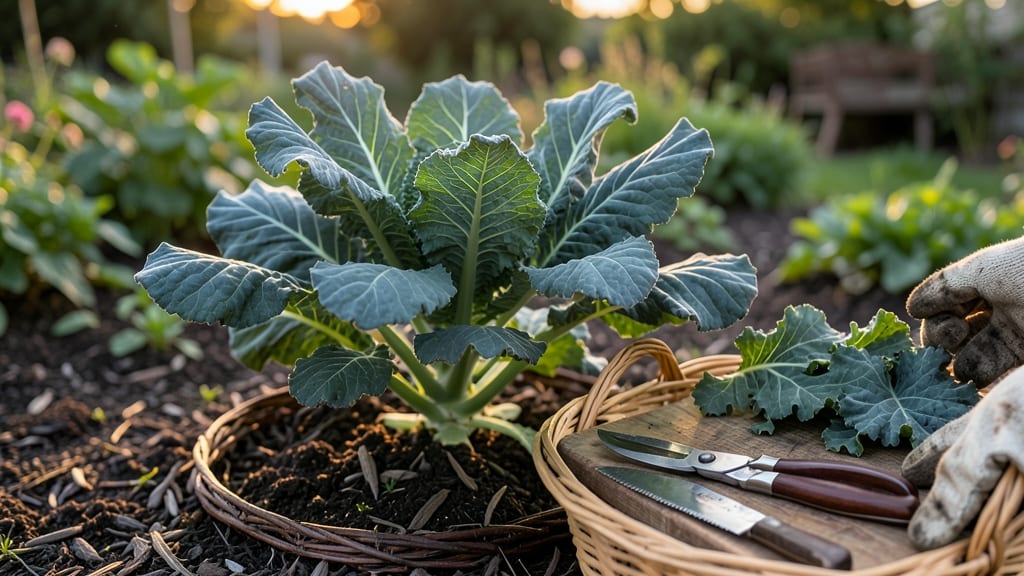
Harvesting lacinato kale at its peak transforms your garden into a crisp, nutrient-packed powerhouse. 🌱 The secret? Cutting before frost when leaves stay tender and packed with flavor—no tough, stringy textures here.
I’ve learned that timing and technique make all the difference between a handful of bitter leaves and a continuous harvest all season.
You’ll need just two things: sharp pruning shears and a clear morning to work. Start by snipping the outer leaves first, leaving the center intact—this keeps the plant happy and encourages regrowth. Lacinato kale is forgiving; even if you take a few leaves, it’ll bounce back stronger than ever.
The goal is to harvest 1/3 of the plant at a time, giving it room to recover.
After harvest, store leaves in a damp paper towel inside a plastic bag for up to a week. For longer storage, blanch and freeze—perfect for smoothies or winter stir-fries.
The best part? With proper care, your lacinato kale will keep producing well into fall, giving you fresh harvests long after other greens have bolted.
Pro tip: Avoid harvesting during heatwaves or drought—stressed plants taste bitter and recover slower. If you’re new to kale, start small: a 5-inch cut per leaf is plenty. Your garden (and taste buds) will thank you.
📚 In This Guide
- What you need
- Instructions
- Tips and common mistakes
- Wrapping up and next steps
What you need
- ● Pruning shears or sharp kitchen scissors – Opt for bypass pruners (clean cuts, minimal damage) or sterilized scissors (disinfect with rubbing alcohol).
- ● Gloves – Garden gloves (for protection against thorns) or food-safe gloves (if handling for culinary use).
- ● Harvesting basket or large bowl – A sturdy, breathable container (e.g., woven basket or colander) to prevent bruising.
- ● Water spray bottle – 16–32 oz, filled with water (to mist leaves post-harvest for freshness).
- ○ Sharp knife (optional) – A chef’s knife or paring knife for trimming stems if using scissors isn’t ideal.
- ● Mature lacinato kale plants – Harvest when leaves are 12–18 inches long and stems are ½-inch thick (typically 60–90 days after transplanting).
- ● Cool, dry conditions – Avoid harvesting after rain (slippery leaves) or in extreme heat (wilting). Early morning is ideal!
- ● Clean workspace – Lay down a tarpaulin or newspaper under plants to collect fallen debris.
- ● Storage bags – Perforated produce bags (to retain humidity without suffocating leaves).
- ● Food-safe sanitizer – Vinegar solution (1:3 ratio) to wipe tools if repurposing kitchen scissors.
- ● Labeling tags – For gardeners tracking varieties (e.g., Dwarf Blue Curled vs. Lacinato).
Tips & tricks for perfect lacinato kale harvesting
Real talk: harvesting kale right makes all the difference between crisp, flavorful leaves and something that tastes like cardboard. Here's how to do it like a pro.
Leaf Size Matters: Those 6-8 inch leaves in Step 1 aren't just arbitrary—they're the sweet spot where flavor and texture peak. I learned this the hard way after harvesting smaller leaves that were tough and bitter. The 4-5 inch outer leaves are perfect for early harvests, but wait for full size when possible. Pro tip: measure from the stem attachment point, not the leaf tip!
Timing is Everything: Morning harvests (Step 1) give you the freshest leaves because they've had time to recover from overnight moisture. But here's what nobody tells you—if you must harvest later in the day, do it after the dew has dried (around 10 AM) to avoid soggy leaves. And never harvest after a hard frost—even though kale's cold-hardy, frozen leaves lose their sweetness and become mushy.
Cut-and-Come-Again Wisdom: When using the cut-and-come-again method in Step 2, those 1-2 inches from the stem might seem like a small detail, but it's critical. Cutting too close (less than 1 inch) can damage the growth point and stunt future production. Use clean shears every time—dirt and bacteria on dull blades can introduce diseases to your plants.
Storage Secrets: The 2-minute blanch in Step 3 isn't just about preservation—it's about locking in nutrients. For even better results, use ice water that's just below freezing (around 32°F) for the ice bath. This stops cooking faster and helps maintain that vibrant green color. And that 0°F freezer storage? It's non-negotiable for long-term freezing—any warmer and you risk freezer burn.
Pro Tips for Harvest Lacinato Kale
- Real talk: harvesting kale right makes all the difference between crisp, flavorful leaves and something that tastes like cardboard.
- Leaf Size Matters: Those 6-8 inch leaves in Step 1 aren't just arbitrary—they're the sweet spot where flavor and texture peak.
- Timing is Everything: Morning harvests (Step 1) give you the freshest leaves because they've had time to recover from overnight moisture.
Frequently asked questions
When is the best time to harvest lacinato kale?
Harvest your lacinato kale when the leaves are mature but still tender—typically 60 to 80 days after planting. For a continuous supply, pick outer leaves first, leaving the inner ones to grow. Early morning harvests yield the crispiest leaves since they’re well-hydrated and cooler. Avoid harvesting after a hard frost if you want sweeter, more tender leaves!
Can I harvest lacinato kale by cutting the whole plant?
Yes, but it’s not ideal for long-term yields. Cutting the entire plant at the base will give you a big harvest, but regrowth may be slower or less vigorous. Instead, opt for cut-and-come-again harvesting: snip outer leaves or stems 1–2 inches above the base, leaving the center intact. This encourages bushier regrowth and extends your harvest season!
What do I do if my lacinato kale bolts or goes to seed?
Bolting (sending up a flower stalk) is common in warm weather or when days lengthen. If this happens, harvest the leaves before the plant flowers—they’ll be bitter but still edible. To prevent bolting, plant in cooler seasons (spring/fall), use shade cloth in summer, or choose bolt-resistant varieties. If the plant is already flowering, compost it and replant for a fresh batch!
How do I store harvested lacinato kale?
Store lacinato kale in the fridge for up to 5–7 days: wrap loosely in a damp paper towel, place in a perforated plastic bag, or store in a crisper drawer. For longer storage (weeks), blanch and freeze the leaves. Avoid washing before storage—moisture speeds up spoilage. Pro tip: Trim stems and leaves separately for easier prep later!
Can I regrow lacinato kale after harvesting?
Lacinato kale is a cut-and-come-again crop. After harvesting, water the base well and fertilize lightly with compost or a balanced fertilizer. In mild climates, it may regrow for another 2–3 harvests. If temperatures drop below freezing, protect the plant with row covers or mulch. With care, you can extend your harvest well into winter!
Wrapping up and next steps
Harvesting lacinato kale is a rewarding experience—whether you’re snipping tender leaves for salads, braising sturdy stems, or preserving the bounty for winter meals.
By following these simple steps, you’ll ensure a bountiful harvest while keeping your plants happy and productive. Now that you’re ready to harvest, why not share your kale haul with friends or experiment with new recipes? 🌱✨ Try roasting the stems for a crispy snack or blending leaves into a nutrient-packed smoothie—your kitchen (and body) will thank you!