
How To
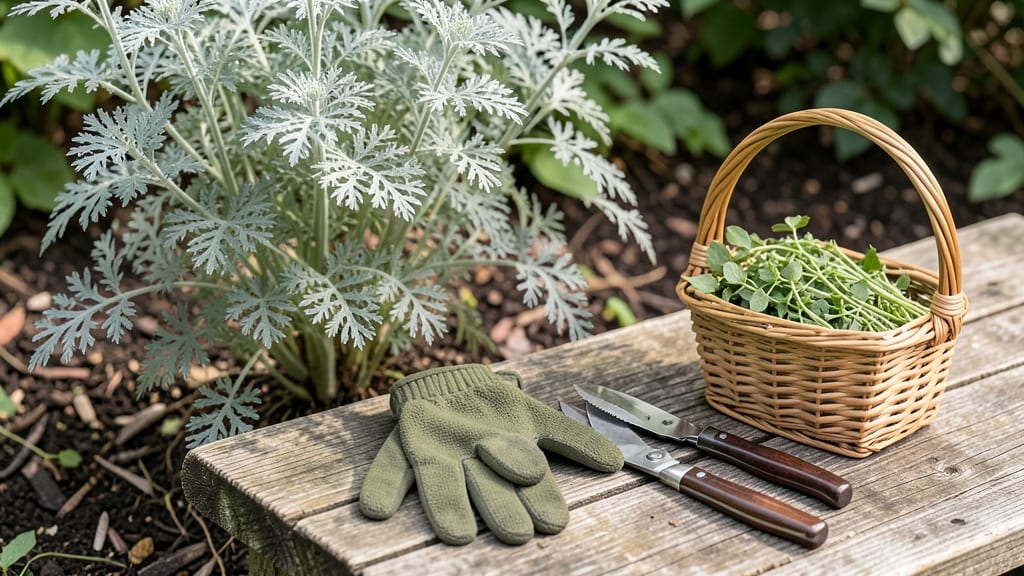
Harvesting wormwood 🌿 at the right time can transform your garden from a simple herb patch into a medicinal goldmine—but get it wrong, and you might weaken the plant or lose its potency forever.
The key lies in understanding when to cut, how to prune, and which parts of the plant to collect for the best flavor and benefits.
If you've ever wondered why some wormwood tastes bitter or loses its aromatic punch, timing is everything. This hardy perennial thrives in USDA Zone 6a and beyond, but its peak harvest window runs from June to September, when the leaves are most potent.
I'll show you exactly when to harvest for maximum flavor and how to extend your plant's lifespan through smart pruning techniques.
You don't need fancy tools or years of experience—just a few basic supplies and the right approach. Whether you're growing wormwood for teas, tinctures, or culinary uses, proper harvesting ensures you get the most from every plant.
Let's dive into the best methods to keep your wormwood thriving while reaping a bountiful harvest.
From recognizing the perfect harvest signs to storing your wormwood properly, I'll walk you through every step. You'll learn how to avoid common mistakes that can harm your plant and discover sustainable practices to keep your wormwood producing year after year.
Ready to unlock the full potential of your wormwood harvest?
When and how to harvest wormwood for maximum potency
Harvesting wormwood at the right time ensures maximum potency and flavor, whether you're using it for medicinal teas or culinary seasoning. The best time to harvest is early morning after the dew has dried but before the sun intensifies.
This timing preserves the essential oils that give wormwood its signature bitter taste and therapeutic properties.
For culinary uses, focus on harvesting young leaves and tender stems before the plant flowers. These parts are milder in flavor and perfect for dishes like absinthe or salads.
If you're growing wormwood for medicinal purposes, wait until the leaves are fully mature—typically 60-90 days after planting—to maximize the concentration of active compounds like thujone.
| Season | Best For | Potency Level | Harvest Tip |
|---|---|---|---|
| Spring | New growth | Moderate | Harvest young leaves for mild flavor |
| Summer | Medicinal use | High | Collect mature leaves before flowering |
| Fall | Drying | Very High | Harvest entire stems for drying |
To harvest wormwood leaves, use a sharp pair of pruning shears or clean scissors to cut just above a leaf node. This encourages new growth from the base of the plant. Avoid tearing leaves by hand, as this can damage the plant and reduce future yields.
For larger harvests, cut entire stems at the base, leaving about 2-3 inches of growth to ensure the plant continues to thrive.
Never harvest more than one-third of the plant at a time, especially for first-year plants. Over-harvesting can stress the plant, leading to woody stems and reduced future harvests.
If you're growing wormwood in containers, be extra cautious—these plants have limited root space and recover more slowly from heavy harvesting.
For medicinal purposes, the flowers of wormwood are also valuable, though they should be harvested slightly later than the leaves. Collect them when they're fully open but before they turn brown. Dry the flowers separately from the leaves, as they have a different drying time and potency profile.
Store them in airtight containers away from direct sunlight to preserve their therapeutic properties.
If you're unsure whether your wormwood is ready for harvest, check for these tell-tale signs: dark green, silvery leaves with a strong aroma, stems that are woody but not brittle, and a plant height of at least 12 inches.
If the leaves are small and sparse or lack aroma, wait a few more weeks before harvesting.
After harvesting, rinse the leaves briefly under cool water to remove any pests or dirt, but avoid soaking them, as this can dilute the essential oils. Pat them dry with a clean towel or paper towels before storing or drying.
For immediate use, store fresh wormwood in the refrigerator in a sealed container for up to 5-7 days.
For long-term storage, drying is the best method. Hang small bundles of wormwood upside down in a dark, well-ventilated area for 1-2 weeks until the leaves are crisp and brittle. Once dry, store the leaves in glass jars away from light and moisture.
Properly dried wormwood retains its potency for up to 1 year, making it a great addition to your herbal medicine cabinet or spice rack.
Remember, sustainable harvesting is key to maintaining a healthy wormwood plant. By following these timing and technique tips, you'll ensure a bountiful harvest season after season while keeping your plant strong and productive. 🌿
Step-by-step pruning techniques to boost wormwood growth
Pruning wormwood isn’t just about harvesting—it’s about revitalizing your plant for future growth. When done correctly, pruning encourages bushier foliage, prevents woody stems, and extends the plant’s lifespan by 2-3 years. The key is timing and technique, so let’s break it down step by step.
Start pruning in early spring as new growth emerges. This is when wormwood recovers fastest from cuts. Use clean, sharp pruners or shears to avoid crushing stems, which can invite disease. Always cut just above a leaf node or bud to encourage branching.
Focus on stems with vibrant green leaves and no signs of yellowing or browning. Avoid cutting into woody or dead stems.
Make cuts 1/4 inch above a leaf node at a slight angle. This prevents water from pooling on the stem, reducing rot risk.
Never remove over 30% of foliage in one session. This ensures the plant retains enough energy to recover and continue growing.
After pruning, give your wormwood a light fertilizer (like a 10-10-10 blend) to replenish nutrients. Water deeply in the morning to support recovery. Avoid pruning in late summer, as this can stunt new growth before winter dormancy.
For container-grown wormwood, prune more aggressively to control size, but never cut into the root ball. Regular pruning keeps your plant compact and productive, ensuring you’ll have fresh leaves for tea, tinctures, or culinary uses all season long. 🌿