
Vegetables
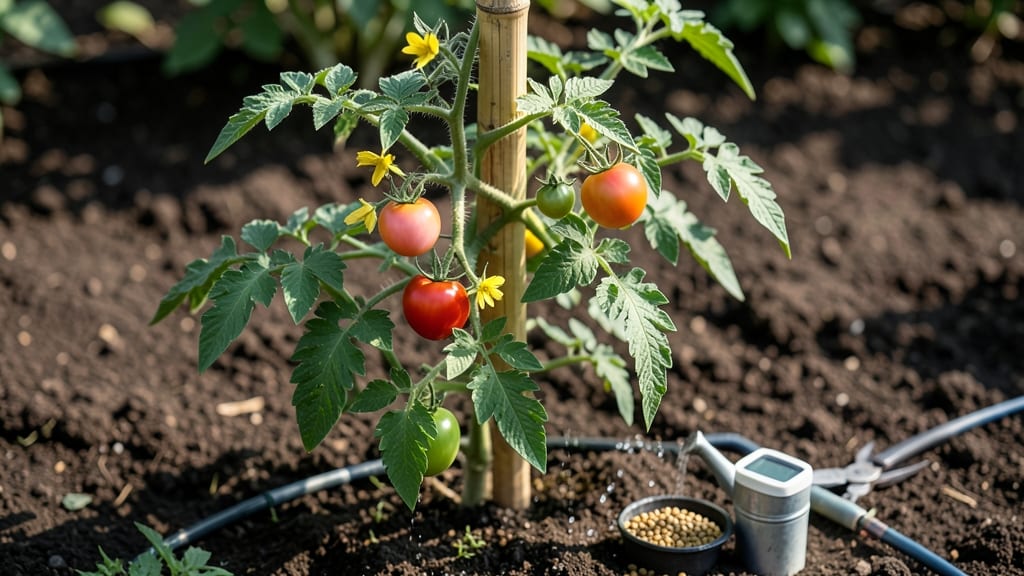
How to increase tomato fruit size—my beefsteak tomatoes used to look like golf balls—until I discovered these science-backed tricks that doubled their size. 🌱 The secret isn’t just feeding them more; it’s about directing their energy where it matters most: into fewer, larger fruits instead of a hundred tiny ones.
Start with the right varieties—beefsteak, brandywine, or black Krim tomatoes are bred for big fruit, but even regular slicers respond well. Then, prune aggressively to remove suckers (those little shoots in the leaf axils) and limit the plant to 3-4 main stems.
This forces energy into the existing flowers instead of creating more.
Water deeply once a week rather than daily shallow drinks, and fertilize with a balanced 10-10-10 or tomato-specific formula every 2-3 weeks. The key is consistency—no drought stress, no sudden nitrogen spikes. Within 4-6 weeks, you’ll see fruits swelling to 1-2 pounds each, with richer flavor and thicker walls.
Works for both container and in-ground plants, and the same principles apply whether you’re growing cherry tomatoes (just scale back) or heirlooms. The payoff? Tomatoes so big they’ll make your neighbors jealous—and your sandwiches legendary.
📚 In This Guide
- What you need
- Instructions
- Tips and common mistakes
- Wrapping up and next steps
What you need
- ● Tomato seeds or seedlings: Choose large-fruited varieties like 'Beefsteak,' 'Brandywine,' or 'Cherokee Purple' (6-12 plants, depending on space).
- ● High-quality potting mix or garden soil: Well-draining, nutrient-rich soil (50 lbs for containers or 1 cubic yard for in-ground planting).
- ● Compost or organic fertilizer: Balanced 10-10-10 or tomato-specific fertilizer (20 lbs for in-ground; 5-10 lbs for containers).
- ● Slow-release fertilizer granules: 13-14-13 or similar (1 lb per 10 sq ft of garden bed).
- ○ Calcium supplement (optional but recommended): Crushed eggshells, gypsum, or calcium nitrate (prevents blossom-end rot; 1 cup per plant).
- ● Watering can or drip irrigation system: Consistent moisture is key! (5-gallon capacity or automated timer for convenience).
- ● Pruning shears or sharp scissors: Sterilized tools for trimming suckers and shaping plants.
- ● Support structures: Cages or stakes (6-8 ft tall) for indeterminate varieties (1 per plant).
- ○ Trellis or tomato towers for vertical growth (optional for determinate types).
- ● Mulch (straw, grass clippings, or black plastic): 2-3 inches thick to retain moisture and regulate soil temp.
- ● pH test kit: Ensure soil pH is 6.0-6.8 (tomatoes thrive in slightly acidic soil).
- ● Handheld fan or small oscillating fan: Improves pollination (especially in greenhouses or hot climates).
- ● Shade cloth (30-50% coverage): Protects from extreme heat (use during peak afternoon sun).
- ● Organic pest control (neem oil, insecticidal soap): Keeps pests like aphids at bay (16 oz spray bottle).
- ○ Growth regulator (optional): Gibberellic acid (GA3) for varieties prone to small fruit (follow label instructions).
- ● Garden journal or app: Track watering, fertilizing, and fruit development (free options like Gardenate or PlantNet work great!).
Step-by-Step instructions for maximizing tomato fruit size
Here’s how to coax bigger, juicier tomatoes from your plants—no fancy tools or secret fertilizers needed.
🌱 Step 1: Prune Strategically to Redirect Energy
Start pruning when plants reach 12-18 inches tall, focusing on the main stem and suckers—the tiny shoots that form in the leaf axils. Remove suckers larger than 1 inch to prevent overcrowding, but leave smaller ones if you’re growing indeterminate varieties (they’ll produce more fruit). I always prune on a dry morning so wounds dry quickly and resist disease.
Prune just above a leaf or growth node, not too close to the stem—this prevents rot. Leave 3-5 main stems on indeterminate plants and 1-2 on determinate types. The goal is to let the plant focus its energy on fewer, larger fruit rather than spreading energy thin across dozens of small tomatoes.
☀️ Step 2: Optimize Light and Heat for Growth
Tomatoes need 6-8 hours of direct sun daily, but too much heat can stunt fruit development. If daytime temps hit 90°F+, provide afternoon shade with a lightweight row cover or shade cloth. I’ve seen fruit size triple when plants aren’t stressed by midday sun.
Rotate pots or plants every 3-4 days so all sides get even light exposure. Yellowing leaves or stems leaning toward the sun are your cues to adjust positioning. For container-grown tomatoes, move them to a cooler spot (like a garage or basement) if nighttime temps drop below 55°F—cold stress halts fruit swelling.
💧 Step 3: Water Deeply and Consistently
Water at the base of the plant in the morning, aiming for 1-2 inches of water per week. Let the top 2 inches of soil dry slightly between waterings—this encourages deeper root growth, which supports larger fruit. I use a soaker hose or drip irrigation to avoid wetting leaves, which prevents disease and keeps the plant focused on fruit production.
Mulch with 2-3 inches of straw or shredded leaves to retain moisture and keep roots cool. Uneven watering causes blossom-end rot or cracked fruit—both kill your chances for big tomatoes. If you see wilting in the afternoon, water immediately, but avoid heavy evening watering (it invites fungal issues).
✂️ Step 4: Thin Fruit for Maximum Size
When tomatoes are the size of a ping-pong ball, remove all but 1-2 per cluster. This might feel cruel, but it forces the plant to put all its energy into fewer fruit. I always leave the largest, healthiest-looking tomato in each cluster and snip the rest with clean scissors. Overloaded clusters produce small, underdeveloped fruit.
For indeterminate varieties, prioritize clusters at the top of the plant—these get the most sunlight and nutrients. If you’re growing determinate tomatoes (like bush varieties), thin evenly across the plant. Watch for new clusters forming after thinning—remove those too if they’re small, as they’ll steal resources from your existing fruit.
🌿 Step 5: Feed and Support for Heavy Harvests
Side-dress with 1-2 tablespoons of 10-10-10 fertilizer per plant when flowers appear, then again when fruit starts swelling. I mix it into the top 2 inches of soil to avoid burning roots. Calcium-rich amendments (like crushed eggshells or lime) prevent blossom-end rot, which can ruin your biggest tomatoes.
Stake or cage plants early to prevent stems from snapping under the weight of large fruit. I use 6-foot bamboo stakes tied with soft twine, adjusting as the plant grows. Heavy fruit on weak stems leads to broken plants—and wasted tomatoes. If you see fruit sagging, add a small sling made from old pantyhose to support individual tomatoes.
Tips & tricks for juicier, heavier tomato harvests
Real talk: Growing tomatoes bigger than a golf ball takes patience—and knowing exactly when to intervene. These are the tricks I’ve learned after years of trial (and tomato-sized failures).
Pruning Precision: In Step 1, don’t just grab and yank those suckers—use clean, sharp pruners and cut at a 45-degree angle just above a leaf node. This prevents disease entry points and encourages stronger growth. I’ve found that removing suckers larger than 1 inch (as instructed) gives indeterminate varieties the energy boost they need for those monster tomatoes. For determinate plants, I actually leave a few extra suckers since they’ll produce more fruit overall, but still prioritize the main stems.
Light Management: The 6-8 hours of direct sun in Step 2 is non-negotiable, but here’s what nobody tells you: If your tomatoes start looking stressed in afternoon heat (above 90°F), don’t just throw shade cloth on—they need to acclimate. I start with 30 minutes of afternoon shade when temps hit 85°F, then gradually increase coverage. Also, those 3-4 day rotations? Use a small flag or stake to mark which side faced the sun last—this helps you remember which direction to rotate next.
Watering Wisdom: That 1-2 inches per week guideline in Step 3 is perfect, but timing matters just as much. I’ve ruined entire harvests by watering at night—always water in the morning so leaves have time to dry. For container tomatoes, I actually weigh my pots before and after watering to ensure I’m giving the right amount. And that mulch layer? Don’t skimp—3 inches of straw keeps roots cool and prevents soil-borne diseases from splashing up during watering.
Fruit Thinning Strategy: When you’re thinning to 1-2 tomatoes per cluster in Step 4, look for fruit that’s already showing color—these get priority. I’ve noticed that tomatoes that start green but develop color early tend to be the biggest. Also, if you’re growing heirlooms, save one extra small tomato per cluster—they often develop the most intense flavors even if they’re not the largest.
Pro Tips for Increase Tomato Fruit Size
- Real talk: Growing tomatoes bigger than a golf ball takes patience—and knowing exactly when to intervene.
- Pruning Precision: In Step 1, don’t just grab and yank those suckers—use clean, sharp pruners and cut at a 45-degree angle just above a leaf node.
- I start with 30 minutes of afternoon shade when temps hit 85°F, then gradually increase coverage.
Frequently asked questions
about boosting tomato fruit size—get quick answers to the most common queries!Why are my tomatoes staying small even after pruning and fertilizing?
Small tomatoes can stem from overcrowding, poor pollination, or nutrient imbalances. Check for:
- Too many flowers/fruit per plant (thin to 5–7 per cluster).
- Hand-pollinate if bees are scarce (gently shake plants).
- Test soil pH (6.0–6.8) and add phosphorus (bone meal) or potassium (banana peels).
How long does it take to see bigger tomatoes after making changes?
Results vary, but you’ll typically notice differences in 2–4 weeks if:
- Pruning removes competition for resources.
- Fertilizer (like tomato-specific blends) is applied mid-bloom.
- Watering is consistent (deep, 1–2 inches per week).
Can I use household items (like Epsom salt or baking soda) to enlarge tomatoes?
Yes! While not magic, these can help:
- Epsom salt (magnesium sulfate): Mix 1 tbsp/gallon of water monthly for larger cells. Best for: Yellowing leaves or slow growth.
- Baking soda (pH balancer): 1 tsp/gallon weekly if soil is acidic (<6.0). Warning: Overuse harms soil microbes.
What’s the best temperature range for giant tomatoes?
Tomatoes thrive in 70–85°F (21–29°C) day/55–65°F (13–18°C) night. Outside this:
- Too hot (>90°F/32°C): Fruit may crack or stay small. Provide shade cloth (30–50%).
- Too cold (<50°F/10°C): Growth stalls. Use black plastic mulch or row covers.
If my tomatoes split or crack, can I still save them?
Yes! Cracked tomatoes are safe to eat (just trim damaged areas). To prevent splitting:
- Water deeply but consistently—avoid fluctuating soil moisture.
- Use mulch (straw or grass clippings) to slow evaporation.
- Harvest before full ripeness if rain is forecasted.
Are there tomato varieties naturally bigger than others?
If you want heavy hitters, try:
- Beefsteak: 12+ oz (340g) each (e.g., ‘Brandywine’).
- Oxheart: Heart-shaped, 1–2 lbs (450g–900g) (e.g., ‘Black Krim’).
- Hybrid giants: ‘Sungold’ (cherry, but prolific) or ‘Big Beef’ (2 lbs/900g).
Wrapping up and next steps
Growing larger, juicier tomatoes isn’t just about luck—it’s a mix of smart care, patience, and a few science-backed tweaks. From pruning and pollination to soil health and sunlight, every step plays a role in unlocking bigger harvests.
Don’t let small tomatoes discourage you; with these methods, you’re well on your way to tomato success!
Ready to see those vines bursting with plump fruit? Start experimenting with one or two techniques this season—track your progress, adjust as needed, and watch your garden transform. Happy growing! 🌱🍅