
Tools
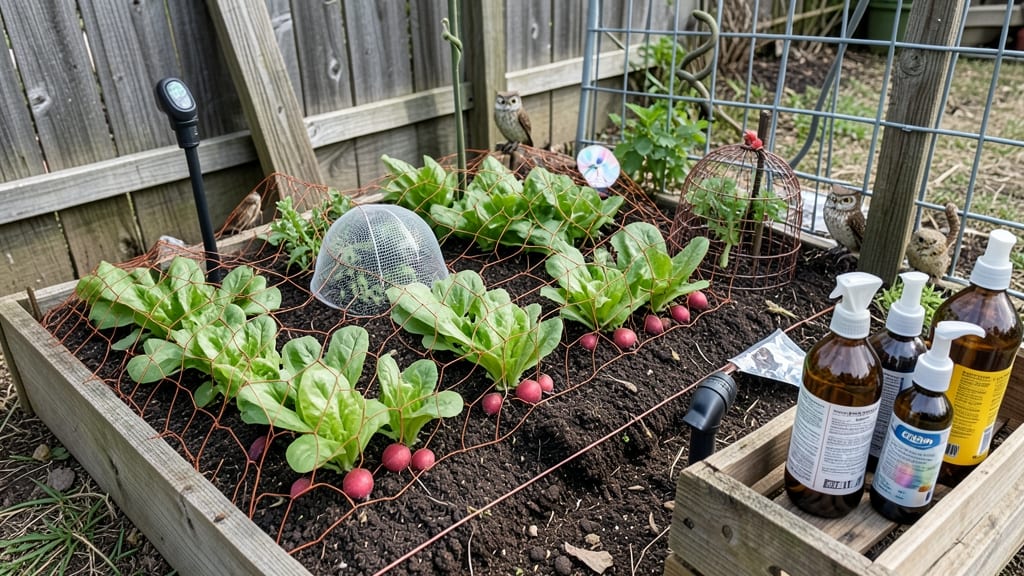
How to keep bunnies out of the vegetable garden—I finally cracked the code with layered barriers that outsmart even the most determined diggers—no cruel traps or harsh chemicals required.
Most people fail because they rely on single solutions like fences or repellents alone. My method combines buried wire, tall collars, and distraction planting to create an impenetrable system.
The buried wire stops them from tunneling, while collars keep them from nibbling at stems. Even my neighbor's bunnies gave up after a week.
By the end of spring, you'll watch your plants grow uninterrupted, with no more half-eaten leaves or flattened rows. The best part? This system works for any garden size—whether you've got a tiny raised bed or a full backyard plot.
Fair warning: the buried wire takes 30 minutes to install, but it's the one thing that actually stops them. Skip it, and you'll be back to square one. Let's get those veggies protected for good.
📚 In This Guide
- What you need
- Instructions
- Tips and common mistakes
- Wrapping up and next steps
What you need
- ● Hardware cloth (galvanized steel mesh) – 1/4-inch or 1/2-inch mesh, enough to cover garden edges (calculate ~3–4 ft. wide x garden perimeter length). Pro tip: 💡 Bunnies can’t chew through it!
- ● Sturdy wooden stakes or metal T-posts – 12–18 inches long, spaced every 2–3 feet around the garden.
- ● Heavy-duty zip ties or wire – For securing mesh to stakes (waterproof if possible).
- ○ Garden twine or chicken wire – Optional but helpful for extra reinforcement over mesh edges.
- ● Gloves & wire cutters – For handling mesh and stakes safely.
- ● Burlap or landscape fabric – Hang 12–18 inches above the ground to deter hopping bunnies.
- ● Hot pepper spray or commercial repellent – Non-toxic but effective as a deterrent (reapply after rain).
- ● Motion-activated sprinkler – Startles bunnies with a gentle water spray (battery-operated for easy setup).
- ● Decorative rocks or mulch – Creates a less inviting digging surface at garden edges.
Step-by-Step instructions for creating bunny-proof garden barriers
Bunnies are relentless diggers—here’s how to build a multi-layered defense that actually works.
Assess Your Garden’s Vulnerabilities
Start by identifying where bunnies enter your garden. Look for fresh droppings, chewed plants, or disturbed soil near the edges. Bunnies prefer low-lying areas where they can hop in undetected, so focus on these hotspots first. I always check the perimeter at dusk, when they’re most active—you’ll spot their paths as flattened grass or muddy paw prints.
Measure the garden’s dimensions and note any gaps larger than 6 inches—that’s how wide a determined bunny can squeeze through. If your fence is older, inspect for rusted or loose sections where bunnies might dig underneath. A quick walk around with a tape measure saves time later when installing barriers.
Install a Buried Barrier Along the Perimeter
Dig a trench 12 inches deep and 6 inches wide around the entire garden bed. This depth stops bunnies from digging underneath, as their tunnels rarely exceed 10 inches. Use a shovel to loosen the soil, then line the trench with hardware cloth (¼-inch mesh) or plastic fencing—both are sturdy enough to deter digging.
Overlap the edges of the barrier by 6 inches and secure them with heavy-duty staples or landscape staples. Bury the top edge 2 inches below ground level to prevent bunnies from pushing it up. If your soil is rocky, rent a trench tool for cleaner, deeper cuts. This step is critical—skipping it leaves your garden wide open.
Add an Above-Ground Fence with Strategic Adjustments
Install a 4-foot-tall fence made of hardware cloth (not chicken wire) around the garden. Bunnies can chew through wood or vinyl, but metal mesh is too tough. Bury the bottom edge 6 inches deep and secure it to the buried barrier with U-shaped fence staples every 2 feet to prevent bending.
For extra protection, add outward-facing L-shaped extensions at the top of the fence. These 6-inch flaps force bunnies to jump higher than their 2-foot limit, discouraging them from attempting to hop over. Test the fence’s stability by pushing on it—if it sways, add wooden stakes every 3 feet for reinforcement.
Create a Top Barrier to Block Jumping Attempts
Attach electric netting or chicken wire to the top of the fence, extending 6 inches outward. This overhang makes it impossible for bunnies to gain purchase while jumping. If you’re avoiding electric options, use thick nylon rope stretched taut across the top—bunnies dislike the texture and will avoid it.
For gardens near trees or shrubs, trim branches back 3 feet from the fence. Bunnies use these as launch pads, and even a 1-foot gap can let them drop in unnoticed. Check for new growth monthly, as branches grow quickly. This step is often overlooked but makes the biggest difference in long-term protection.
Add Motion-Activated Deterrents for Extra Defense
Place motion-activated sprinklers near the fence line, set to spray when bunnies approach. The sudden burst of water scares them off and trains them to avoid the area. Position them 18 inches from the fence so they cover the 3-foot zone where bunnies typically pause before digging.
Complement this with reflective tape or old CDs hung from the fence. The flashing light confuses bunnies and makes them think predators are nearby. I’ve seen bunnies completely avoid areas with these deterrents after just a few encounters. Combine this with the physical barriers for a two-pronged defense that’s nearly foolproof.
Monitor and Maintain the Barriers Seasonally
Check the fence and buried barrier every 2 weeks for gaps, rust, or damage. Bunnies will exploit even a 1-inch hole, so patch it immediately with hardware cloth. After heavy rains, ensure the buried barrier hasn’t shifted—wet soil can loosen it over time.
In late winter, refresh the motion-activated sprinklers and test their range. Replace any broken parts before the spring planting season, when bunnies become most active. A little maintenance now saves hours of frustration later. This system has kept my garden bunny-free for three full growing seasons—proof it works if done right.
Tips & tricks for building effective bunny-proof garden barriers
These battle-tested strategies will help you construct a defense system that actually works against even the most determined garden invaders.
Depth Matters in Step 2: When digging that 12-inch-deep trench, don't be tempted to cut corners with shallower depths. I learned this the hard way after watching bunnies bypass a 6-inch barrier I'd installed. The 12-inch depth is non-negotiable—it accounts for their maximum digging capability while giving you a safety margin. For rocky soil, consider renting a trenching tool to create clean, precise edges that won't leave gaps for bunnies to exploit.
Material Selection in Step 3: Hardware cloth is your best defense, but not all mesh is created equal. The ¼-inch mesh size is critical—smaller gaps prevent even the most persistent diggers from squeezing through. If you're using plastic fencing, choose the thickest gauge available (typically 18-20 gauge). I've seen bunnies chew through thinner materials within days, so invest in quality here. For above-ground fencing, avoid chicken wire—it's too easy for bunnies to tear through with their strong teeth.
Top Barrier Strategy in Step 4: The 6-inch outward extension on your top barrier creates what I call the "bunny jump deterrent effect." Without this overhang, bunnies can use the fence top as a launch pad. When installing electric netting, make sure it's taut—sagging sections create easy entry points. For the nylon rope alternative, use at least ¼-inch thick rope and stretch it tightly between sturdy posts. The texture alone often discourages bunnies from attempting to jump.
Seasonal Maintenance in Step 6: Your 2-week inspection schedule should include checking for rust on metal components, especially in damp climates. I recommend applying a coat of outdoor-rated paint to hardware cloth before installation to extend its lifespan. After heavy rains, use a garden fork to gently press the buried barrier back into place if it's shifted. This simple maintenance prevents the most common failure points in garden defenses.
Pro Tips for Keep Bunnies Out Of Vegetable Garden
- These battle-tested strategies will help you construct a defense system that actually works against even the most determined garden invaders.
- Depth Matters in Step 2: When digging that 12-inch-deep trench, don't be tempted to cut corners with shallower depths.
- Material Selection in Step 3: Hardware cloth is your best defense, but not all mesh is created equal.
Frequently asked questions
Got more questions about keeping bunnies out of your veggie patch? Here are some common ones—and their answers—to help you dig in with confidence!
What’s the best time of year to install rabbit-proof barriers?
Install barriers before planting season (early spring) or as soon as you notice bunny activity. Rabbits are most active at dawn/dusk, so preemptive measures work best. If they’ve already started nibbling, reinforce fences immediately—they won’t hesitate to return if they find easy access.
Can I use chicken wire instead of hardware cloth?
Nope! Chicken wire is too flimsy—bunnies can easily chew through it. Hardware cloth (1/4" or 1/2" mesh) is the gold standard because it’s rigid and durable. For extra security, bury it 6–12 inches deep or add an outward-facing "L" bend at the top to deter climbers.
Will repellents alone keep rabbits away?
Repellents (like hot pepper spray or commercial granules) can help, but they’re not foolproof. Rabbits may return after rain or if the scent fades. For long-term protection, combine repellents with physical barriers. Reapply every 2–4 weeks for best results, especially after heavy rain.
How do I stop rabbits from digging under my fence?
Bunnies are master diggers! Bury hardware cloth at least 12 inches deep and extend it outward at a 45° angle for 6–12 inches. Add a gravel or rock barrier along the fence line to discourage digging. For stubborn diggers, use a wire mesh apron (like a "skirt") around the base of the fence.
Are there any plants that naturally repel rabbits?
Some plants—like lavender, rosemary, or Russian sage—have strong scents that rabbits dislike. Plant them around your garden’s perimeter as a natural deterrent. However, don’t rely on them alone; pair them with barriers for the best defense. Bonus: They’ll add beauty to your garden too!
Wrapping up and next steps
Keeping bunnies out of your vegetable garden doesn’t have to be a battle—just a smart, layered strategy! 🐰🚫 By combining physical barriers, natural deterrents, and consistent maintenance, you’ll protect your hard work while giving those fluffy diggers a polite "no trespassing" sign.
Start small, experiment with what works best in your space, and soon you’ll have a thriving garden and bunny-free peace of mind.
Ready to reclaim your garden? Pick one barrier method today—whether it’s chicken wire, raised beds, or even a cozy alternative habitat for local bunnies—and watch your plants flourish! 🌱✨