Size
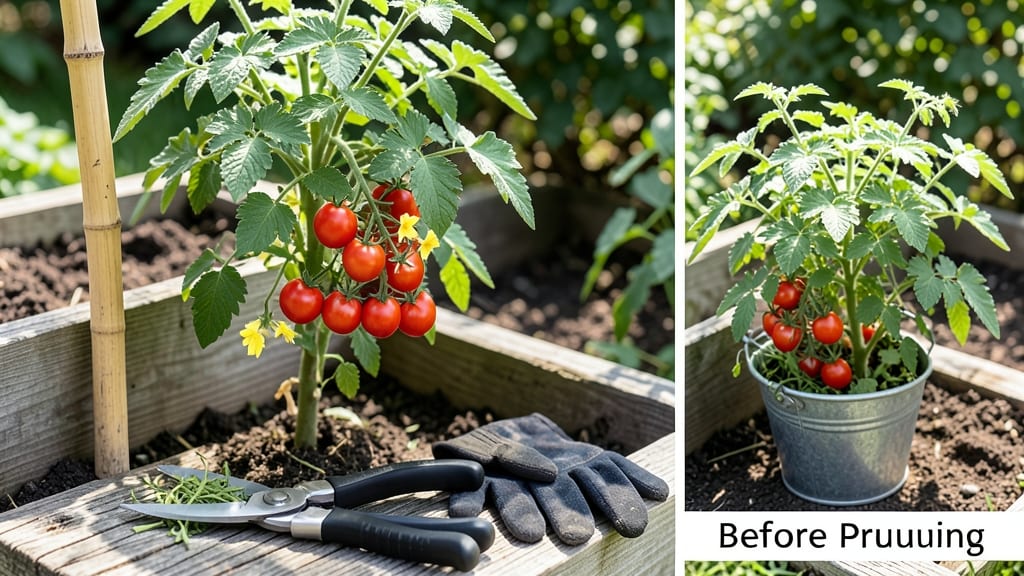
How to keep cherry tomato plants from getting too tall—here’s the trick I’ve used to turn leggy, top-heavy vines into bushy, productive powerhouses with just a pair of pruners and a little patience (no growth regulators needed).
The secret lies in pruning at the right spots: always above a leaf joint, never leaving stubs. Pinch off suckers (those little shoots between main stems) early, and trim the top growth when plants hit 3-4 feet.
This forces energy into fruit production instead of vertical growth. Most gardeners over-prune or wait too long—both mistakes lead to fewer tomatoes.
With consistent pruning, you’ll see thicker stems, more flowers, and a harvest that lasts weeks longer than unpruned plants. The plants stay sturdy enough to support their own weight, reducing the need for heavy trellising. Plus, the fruit ripens faster because the plant isn’t wasting energy reaching upward.
This works for both determinate (bush) and indeterminate (vining) cherry tomatoes, whether you’re growing in containers or garden beds. The key is regular checks—every 5-7 days—to stay ahead of the growth. Let’s get those plants focused on producing instead of stretching.
📚 In This Guide
- What you need
- Instructions
- Tips and common mistakes
- Wrapping up and next steps
What you need
- ● Pruning shears: Sharp, clean bypass pruners (avoid anvil pruners—they crush stems). Size: 5–7 inches for precision.
- ● Garden gloves: Heavy-duty, nitrile-coated gloves (size medium/large) to protect from thorns and dirt.
- ● Sturdy support: Cages: 4–5 ft tall galvanized tomato cages (5–6 per plant, spaced 18–24 inches apart).
- ● Trellises: Wooden or metal trellis (6+ ft tall) or string system with twist ties (50+ pack).
- ● Balanced fertilizer: Slow-release 10-10-10 or organic compost (5–10 lbs per plant).
- ● Mulch: Straw or wood chips (2–3 inches thick, 10 sq ft per plant).
- ● Plant ties: Soft fabric strips (10-pack) for securing vines to supports.
- ● Growth regulator: Pinch-off spray (e.g., Seaweed extract) to slow vertical growth.
- ● Potting soil: Lightweight, well-draining mix (if container-growing; 1–2 gallons per plant).
- ● Disinfectant: Rubbing alcohol (70%+) or bleach solution (1:9 ratio) to clean pruners between cuts.
Instructions for pruning cherry tomatoes to control height and boost yields
Here’s how I keep my cherry tomatoes compact, productive, and easy to manage—no ladders required.
Identify the Main Stem and Side Shoots
Cherry tomatoes grow indeterminately, meaning they’ll keep climbing unless you guide them. Start by locating the main stem—the thick, central vine that grows upward from the plant’s base. Look for side shoots, which appear in the leaf axils (the angle between a leaf and the stem). These are your pruning targets.
Use your fingers to gently feel for small, thin shoots emerging near the stem. They’ll be about 1/8 inch thick and may look like tiny offshoots. The key is to prune these early—once they reach 2-3 inches long, they’ll compete with fruit production. I check plants weekly after they’re established, as new shoots appear constantly.
Pinch Off Side Shoots Below the First Flower Cluster
Use your thumb and forefinger to pinch out side shoots below the first flower cluster (where the first tomatoes form). This redirects the plant’s energy toward fruit production instead of vertical growth. If a shoot is too tough to pinch by hand, use clean, sharp pruning shears to snip just above the leaf axil.
Here’s the thing—never prune above a leaf axil. Doing so leaves a stub that can rot or attract pests. Always cut or pinch just above where the shoot emerges from the main stem. For cherry tomatoes, focus on removing shoots below the first 6-8 inches of the plant, as these lower shoots won’t contribute much to harvests anyway.
Prune Suckers Weekly to Maintain Compact Growth
Suckers are the aggressive side shoots that form between the main stem and a branch with fruit. These are the real growth inhibitors—if left unchecked, they’ll send your plant skyward. I prune suckers every 5-7 days during the growing season (spring through early fall) to keep plants under 4 feet tall. This makes harvesting easier and prevents stems from snapping in wind or rain.
Watch for new suckers forming near the base of the plant and along the main stem. These are the most critical to remove, as they’ll steal energy from your fruit. Use your fingers to pinch them out early—once they’re longer than 1 inch, they’ll divert too much of the plant’s resources. If a sucker is already large, cut it back to the main stem with shears.
Trim Lower Leaves and Encourage Airflow
Remove yellow or diseased leaves immediately, but also prune lower foliage that touches the soil. This prevents soil-borne diseases like blight from spreading upward. Aim to keep the bottom 12 inches of the plant free of leaves, as this improves airflow and reduces humidity around the fruit.
For cherry tomatoes, I also trim overly dense clusters of leaves that block sunlight from reaching the fruit. Look for areas where leaves overlap—these are prime spots for fungal issues. Thin out every other leaf in dense patches, leaving only the strongest, healthiest ones. This ensures your tomatoes get full sun exposure, which is critical for sweetness and ripening.
Support and Train for Controlled Height
Even with pruning, cherry tomatoes need support to stay upright. Install 6-foot tomato cages or sturdy stakes at planting time, but tie plants to the support every 2-3 weeks as they grow. Use soft plant ties or strips of old T-shirt fabric—avoid wire or anything that can cut into the stem.
If your plants are already too tall, prune the top 6-12 inches of the main stem to encourage bushier growth. This forces the plant to put energy into existing branches rather than climbing higher. For indeterminate cherry tomatoes, I never let them grow taller than 5 feet, even in ideal conditions. The result? More compact plants, easier harvesting, and longer harvest seasons because you’re not dealing with unmanageable vines.
Tips & tricks for managing cherry tomato plant height
These practical strategies will help you maintain manageable, productive plants without sacrificing yield or flavor.
Timing is Everything: The weekly pruning schedule in Step 1 is non-negotiable for controlling height. I've found that new shoots appear most aggressively during the first 6-8 weeks after transplanting, so double-check plants every 4-5 days during this critical period. This early intervention prevents those 2-3 inch shoots from becoming unmanageable vines later. The key is consistency—once you establish this routine, your plants will stay under 4 feet tall with minimal effort.
Tool Selection Matters: While fingers work for small shoots, invest in a pair of clean, sharp pruning shears for anything thicker than your thumb. Dull shears crush stems instead of making clean cuts, which can introduce disease. I keep a small pair tucked into my gardening apron for quick touch-ups between sessions. For larger pruning jobs, I use bypass pruners—they leave a smoother cut than anvil-style shears, reducing the risk of infection.
Visual Cues for Perfect Pruning: When pinching in Step 2, look for the small triangle-shaped leaf axils where shoots emerge. The perfect pinch point is just above this triangle, where the shoot meets the main stem. Think of it like making a clean break—you want the shoot to come away cleanly without leaving any stubs. This technique ensures the plant heals properly and doesn't waste energy trying to regrow from damaged tissue.
Airflow Strategy: The 12-inch leaf-free zone in Step 4 isn't just about disease prevention—it's also about sunlight penetration. I've noticed that plants with proper airflow develop fruit that's more uniformly colored and sweeter. When thinning leaves, focus on removing the largest, oldest leaves first, as they're more likely to harbor pests. This creates a natural funnel that directs sunlight to the fruit clusters where it's needed most.
Pro Tips for Keep Cherry Tomato Plants From Getting Too Tall
- These practical strategies will help you maintain manageable, productive plants without sacrificing yield or flavor.
- Timing is Everything: The weekly pruning schedule in Step 1 is non-negotiable for controlling height.
- Tool Selection Matters: While fingers work for small shoots, invest in a pair of clean, sharp pruning shears for anything thicker than your thumb.
Frequently asked questions
Got questions about keeping your cherry tomato plants compact and productive?
Here are answers to the most common concerns—so you can grow lush, manageable plants with fewer headaches.
How often should I prune cherry tomato plants to control height?
Prune weekly during the growing season (spring through summer) to encourage bushier growth. Focus on removing suckers (shoots between the stem and branches) and any leggy or crowded stems. Pro tip: Stop pruning 4–6 weeks before your first frost to let plants harden off and ripen remaining fruit.
Can I just pinch off the top of the plant instead of full pruning?
Yes! Pinching the terminal bud (the topmost growth point) can slow height but may reduce overall yield. For cherry tomatoes, prune suckers and lower leaves instead—this boosts airflow and fruit production. Avoid heavy topping unless your plants are already too tall for your space.
What if my cherry tomatoes keep growing tall despite pruning?
Overly tall growth often signals over-fertilizing with nitrogen or lack of sunlight. Switch to a balanced fertilizer (10-10-10 or 5-10-10) and ensure 6–8 hours of direct sun daily. If using containers, upgrade to a larger pot (at least 12 inches deep) for better root support.
Do I need to prune determinate cherry tomato varieties?
Determinate types (like 'Tiny Tim' or 'Sweet 100') don’t need heavy pruning—they grow bushy naturally. Focus on removing lower leaves (up to 12 inches from the ground) to prevent disease and thin crowded fruit clusters for larger, sweeter tomatoes. Prune only to improve airflow, not to control height.
Will pruning cherry tomatoes delay harvest time?
No! Pruning speeds up harvests by directing energy to fruit production instead of excessive foliage. However, over-pruning early (before flowering) can slow initial yields. Wait until plants are 12–18 inches tall before aggressive pruning. Pro tip: Prune after morning watering to reduce stress.
Are there any natural alternatives to pruning for shorter plants?
Yes! Try these low-maintenance methods:
- Cage or stake early: Use a low, wide cage (2–3 feet tall) or stake plants at planting to discourage sprawling.
- Succession planting: Space plants 18–24 inches apart and harvest early varieties before they outgrow their space.
- Dwarf varieties: Choose bush-type cherry tomatoes like 'Tumbling Tom' or 'Micro Tom' (max height: 12–18 inches).
- Shade cloth: Light shade (30–50%) can slow growth without stunting fruit production.
Wrapping up and next steps
Keeping your cherry tomato plants at a manageable height doesn’t have to be complicated—just a little pruning, support, and patience go a long way! With the right techniques, you’ll enjoy bushier plants, bigger yields, and easier maintenance all season long. 🌱
Now that you’re armed with the know-how, grab those shears and get growing! Start with just one or two plants to practice, then expand your garden as your confidence (and harvests!) grow. Happy pruning—your future salads will thank you! 🍅✨