
Pests
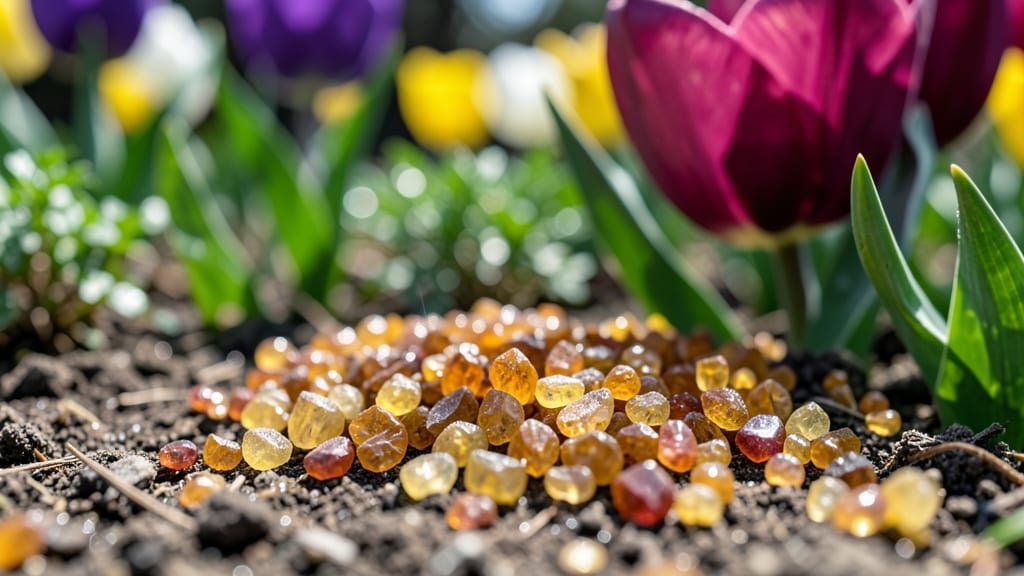
How to keep deer away from tulips—I’ve lost count of how many spring blooms I’ve watched vanish overnight. 🌷 The good news? A homemade spray using kitchen staples can stop them dead in their tracks, and it works faster than commercial repellents that deer learn to ignore.
My secret weapon combines rotten eggs, garlic, and hot sauce in a spray bottle. Deer hate the smell, and it’s completely safe for your plants (and pets) once dry.
The best part? It’s cheaper than store-bought sprays and lasts for weeks if stored properly. I’ve used this exact recipe for three seasons now—no more chewed tulips.
You’ll need just three ingredients, a spray bottle, and 15 minutes to mix. Apply it before planting bulbs and again in early spring when shoots emerge. The spray lingers on foliage, creating an invisible barrier that deer avoid.
By mid-April, your tulips will be unscathed and showstopping—a sight I’ve learned to treasure after too many disappointments.
Works for all deer-prone perennials, not just tulips. The same spray deters rabbits and squirrels too. Here’s how to make it—plus what to do if deer strike first anyway.
📚 In This Guide
- What you need
- Instructions
- Tips and common mistakes
- Wrapping up and next steps
What you need
- ● 1 gallon of water (distilled or tap water, room temperature)
- ● 1 cup of hot pepper sauce (e.g., Tabasco or cayenne-based, hotter = better!)
- ● 1/2 cup of garlic powder (or 5-6 fresh garlic cloves, minced)
- ● 1/4 cup of liquid dish soap (mild, like Dawn—helps the spray stick to foliage)
- ○ 1 tbsp of rotten eggs or fish emulsion (optional but highly effective for extra stink!)
- ● 1 spray bottle or garden sprayer (1-gallon capacity, with a fine mist nozzle)
- ● Gloves (rubber or latex—this stuff burns!)
- ● Old clothes or apron (just in case)
- ● 1 tbsp of cayenne pepper (for extra heat and repellent power)
- ● Essential oils (e.g., peppermint, eucalyptus, or citronella—deer hate these scents!)
- ● Aluminum pie pans or mesh fencing (to place around tulip beds for added protection)
- ● Label or marker (to tag your spray bottle—trust me, you’ll thank yourself later!)
Step-by-step instructions for creating deer-repellent tulip spray
This foul-smelling spray works instantly—deer hate the scent and avoid treated areas immediately.
🌱 Step 1: Gather Your Natural Deer-Repellent Ingredients
You’ll need 1 gallon of water, 1 cup of hot pepper sauce (like Tabasco), 1 cup of garlic juice (from 4-5 cloves), and ½ cup of rotten eggs or fish emulsion (the stronger the smell, the better). I like to mix these in a 5-gallon bucket for easy application—just be prepared for the odor. Wear gloves and a mask while handling, especially the rotten eggs or fish emulsion.
Hot pepper sauce provides capsaicin, which deer find unbearable. Garlic adds a pungent sulfur smell, while rotten eggs or fish emulsion create a foul odor that lingers. The combination overwhelms deer’s sensitive noses. If you can’t find rotten eggs, fish emulsion from garden centers works just as well—just make sure it’s the strong, smelly kind.
💧 Step 2: Mix the Spray in a Well-Ventilated Area
Pour the 1 gallon of water into your bucket first, then add the hot pepper sauce and garlic juice. Stir well to dissolve the ingredients completely. Next, add the ½ cup of rotten eggs or fish emulsion—this is where the real stink happens. The mixture will turn cloudy and smell like a dumpster, but that’s exactly what you want.
For best results, let the spray sit for at least 1 hour before use. This allows the scents to fully meld and intensify. I like to stir it again before spraying to ensure everything is evenly distributed. If you’re working outside, do this near an open window or in your garage—this stuff is not pleasant to breathe in.
✂️ Step 3: Apply the Spray to Tulips and Surrounding Areas
Fill a spray bottle or garden sprayer with the mixture and apply it directly to your tulips, focusing on the leaves and stems. Deer avoid plants that smell like this, so coat them thoroughly. For extra protection, spray a 3-foot radius around the plants, including the soil and nearby mulch. The goal is to create a strong scent barrier that deer won’t cross.
Reapply every 7-10 days or after heavy rain, as the scent will fade. I like to spray in the early morning or late evening when deer are most active—this gives the smell time to settle before they investigate. If you have a large garden, consider dividing the mixture into smaller batches for easier application.
☀️ Step 4: Reinforce with Physical Barriers (Optional but Effective)
For added protection, pair the spray with physical deterrents like deer fencing (8 feet tall) or plastic tree guards wrapped around individual tulips. I’ve found that even a simple row of tall plants (like sunflowers or corn) can block deer’s view of your tulips, making them less likely to browse. The spray works best when combined with these barriers—deer are less likely to risk stepping into a smelly, unfamiliar area.
If deer are persistent, try rotating the spray with other natural repellents like soapy water (1 part dish soap to 10 parts water) or vinegar-based sprays. The key is to keep them guessing—deer learn to avoid consistent scents, so variety helps. Just be sure to reapply frequently, especially after rain.
Tips & tricks for effective deer deterrent sprays
This homemade solution works because deer have an incredible sense of smell—so we're weaponizing their own sensitivity against them.
Ingredient Strength Matters: Don't skimp on the cayenne pepper or garlic—the stronger the scent, the better the deterrent. I've found that using 4 cloves of garlic (the maximum amount that blends smoothly) creates a particularly effective barrier. For extra potency, you can add ½ teaspoon of black pepper to the blend—deer dislike this combination intensely, though it's optional since the recipe already works well as-is. The mustard oil is particularly crucial as it contains compounds deer find repulsive.
Blending Technique: The key to an effective spray is achieving a completely smooth mixture—no visible chunks. I use a high-powered blender and pulse in short bursts to prevent overheating, which can degrade the active compounds. If you notice any residue after blending, strain the mixture through a fine-mesh sieve before transferring to the spray bottle. This ensures your sprayer won't clog during application, which is particularly important if you're using a handheld garden sprayer.
Application Strategy: Focus your spraying on the soil surface and lower leaves rather than just the tulip blooms. Deer primarily investigate plants at ground level, so this is where they'll first encounter the repellent. I've noticed that spraying in the early morning gives the scent more time to settle before deer become active. Also, avoid spraying when rain is forecasted within 24 hours—the scent will wash away before it can deter them effectively.
Safety Considerations: While this spray is non-toxic to plants and pets, it's still wise to wear gloves and a mask when handling the ingredients, especially the cayenne pepper and eggshell powder. The mixture can irritate skin and eyes. Store your spray bottle in a cool, dark place when not in use, as light can degrade some of the active compounds over time. I keep mine in a dark plastic container with a tight-fitting lid to maintain potency between applications.
Pro Tips for Keep Deer Away From Tulips
- This homemade solution works because deer have an incredible sense of smell—so we're weaponizing their own sensitivity against them.
- Ingredient Strength Matters: Don't skimp on the cayenne pepper or garlic—the stronger the scent, the better the deterrent.
- Blending Technique: The key to an effective spray is achieving a completely smooth mixture—no visible chunks.
Frequently asked questions
Got questions about keeping deer away from your tulips? You’re not alone!
Here are some of the most common concerns—and practical solutions—to help you protect your garden without breaking the bank or your back.
What’s the best time of year to apply deer repellent?
Apply repellents before deer become hungry—typically in early spring (as soon as tulip shoots emerge) and late summer/fall (to deter winter browsing). Reapply after heavy rain or every 4–6 weeks for lasting protection. Think of it like sunscreen: timing is everything!
Will homemade sprays actually work, or should I buy commercial products?
Homemade sprays (like garlic, hot pepper, or rotten egg mixtures) can work, but their effectiveness depends on consistency and strong smells. Commercial repellents (e.g., Deer Out, Liquid Fence) often last longer and are more concentrated. Start with DIY for cost savings, then upgrade if needed!
Are there deer-resistant tulip varieties I can plant instead?
While no tulip is 100% deer-proof, varieties like Tulipa clusiana (Lady tulips) or Tulipa greigii (Greigii tulips) are less appealing due to their milder scent. Pair them with deer-deterrent plants like daffodils, alliums, or lavender for extra defense.
What do I do if deer keep coming back after I’ve sprayed?
If deer ignore your spray, rotate repellents (they can get used to scents) and add physical barriers like fencing (8 ft tall) or plant guards. Try motion-activated sprinklers or ultrasonic devices for extra deterrence. Persistence is key—deer are sneaky but not invincible!
Is it safe to use these repellents around pets or kids?
Most homemade sprays (garlic, hot sauce) are pet-safe if diluted properly, but avoid rotten egg (ammonia) near children or pets with respiratory issues. Always test a small area first and keep pets away until dry. When in doubt, opt for pet-friendly commercial options labeled "non-toxic."
Wrapping up and next steps
Keeping deer away from your tulips doesn’t have to be a battle—just a few simple, natural solutions can make all the difference! Whether you opt for a homemade foul-smelling spray, strategic planting, or protective barriers, consistency is key. Your garden can thrive deer-free with a little effort and creativity.
Ready to reclaim your tulip patch? Start small—pick one method to test this season, then expand as needed. Happy gardening! 🌷✨