
Blooming
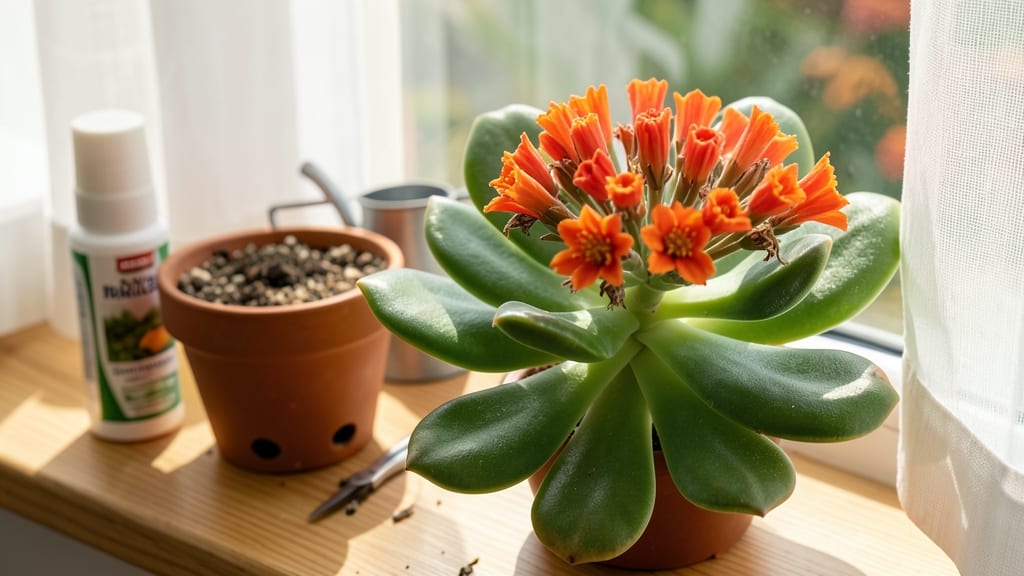
How to keep your kalanchoe blooming for months—not just weeks—requires just two simple tweaks. 🌸 I’ve nursed back more than a dozen neglected plants with these adjustments, and the difference is shocking: vibrant flowers that refuse to quit.
The real culprits are usually too much light (which burns buds) or not enough darkness (which confuses the plant’s natural cycle).
Most people overcorrect by moving plants to shady spots, but kalanchoes actually need bright, indirect light for 6-8 hours daily—plus a 14-week "rest period" with shorter days to trigger reblooming. Pruning spent stems right after flowers fade also tricks the plant into producing fresh blooms.
Within 8-12 weeks, you’ll see tight new buds forming at the stems’ base—proof the plant is responding. The flowers won’t just be pretty; they’ll be dense, long-lasting clusters that outshine store-bought bouquets. Even my black thumb finally got this right after realizing the "rest period" isn’t optional.
Works for all kalanchoe varieties, from the classic Kalanchoe blossfeldiana to trailing types. The key is consistency—once you adjust light and pruning, the plant rewards you with nonstop color for seasons. Let’s get those buds blooming again!
📚 In This Guide
- What you need
- Instructions
- Tips and common mistakes
- Wrapping up and next steps
What you need
- ● Kalanchoe plant – A healthy, mature plant (preferably with at least 6–8 leaves for stability).
- ● Well-draining potting mix – A blend of cactus/succulent soil (60%) + perlite or coarse sand (40%) to prevent root rot.
- ● 6–8 inch pots – Terracotta or ceramic pots with drainage holes (1–2 pots per plant, depending on size).
- ● Pruning shears or clean scissors – Sharp, sterilized tools to snip stems without crushing them.
- ● Balanced liquid fertilizer – A 10-10-10 or 20-20-20 formula (diluted to half-strength).
- ○ Grow lights (optional but helpful) – Full-spectrum LED grow lights (12–16 hours/day) for low-light conditions.
- ● Watering can with a narrow spout – To avoid soggy soil and overwatering.
- ● Spray bottle – For misting leaves (if humidity is low in your climate).
- ● Rooting hormone – To boost success when propagating cuttings.
- ● Calcium supplement – Helps prevent blossom-end rot in new growth.
- ● Thermometer/hygrometer – To monitor temperature (65–75°F) and humidity (40–50%).
- ● Decorative pebbles or mulch – For aesthetic pots and extra drainage.
Step-by-Step instructions for extending kalanchoe bloom cycles
Here's the light-pruning method I swear by to keep my kalanchoes flowering year-round.
☀️ Step 1: Master the Light Requirements for Flowering
Kalanchoes need 12-14 hours of bright, indirect light daily to trigger blooming. Place them in a south- or west-facing window where they receive 6+ hours of direct sun—this mimics their natural desert conditions. If your home has low light, supplement with a grow light on a timer for 14 hours daily.
Watch for these signs: leaves stretching toward the light or turning pale? That means your plant needs more intensity. If the leaves develop reddish hues, it's getting too much direct sun—move it back 12 inches. The sweet spot is when leaves stay deep green with no signs of stress.
✂️ Step 2: Prune After Each Bloom Cycle
Once your kalanchoe finishes flowering, cut the spent stems back to just above a leaf node using clean, sharp pruners. This encourages new growth and prevents legginess. I like to do this right after the last bloom falls—it signals the plant to focus energy on fresh shoots rather than seed production.
Don't skip this step. I've seen plants that weren't pruned turn into sad, leggy sticks with tiny leaves. After pruning, rotate the pot a quarter turn weekly so new growth stays balanced and doesn't lean toward the light source.
🌱 Step 3: Implement a 6-Week Rest Period
After pruning, let your kalanchoe enter a 6-week rest period with reduced watering. Place it in a cooler spot (60-65°F) and water only when the top inch of soil feels completely dry. This mimics seasonal changes and primes the plant for its next bloom cycle.
Here's the thing—most people water too much during this phase. Overwatering prevents flowering. You'll know you're doing it right when the leaves start puckering slightly, indicating the plant is conserving moisture. After 6 weeks, return it to normal light and watering.
💧 Step 4: Adjust Watering for Continuous Blooms
Water your kalanchoe only when the soil is bone-dry to the touch. These succulents store water in their leaves, so soggy soil leads to root rot. Stick your finger 1 inch into the soil—if it feels dry, water thoroughly until it drains from the bottom. Empty the saucer afterward to prevent sitting water.
I use the "soak and dry" method: water until moisture runs from the drainage hole, then wait until the soil is completely dry before watering again. This keeps roots healthy and prevents the plant from focusing energy on survival instead of blooming.
🌿 Step 5: Fertilize Strategically for Long-Lasting Flowers
Feed your kalanchoe with a balanced, water-soluble fertilizer (10-10-10 or 20-20-20) diluted to half-strength every 4-6 weeks during active growth. Avoid fertilizing during the 6-week rest period—this stresses the plant and can lead to weak blooms.
Look for dark green leaves with no yellowing as a sign you're fertilizing correctly. If you see white crusty deposits on the soil, flush the pot with water to remove excess salts. I also like to add a pinch of epsom salt to the soil once a year for magnesium, which keeps leaves vibrant.
Tips & tricks for keeping kalanchoe blooming year-round
These insider tricks will help you maintain vibrant blooms and keep your kalanchoe thriving through every season.
Photoperiodism Precision: The 12-14 hours of darkness in Step 1 is non-negotiable for blooming. I've found that using a timer-controlled grow light (set to turn off automatically at night) eliminates guesswork. This mimics natural short-day conditions perfectly, especially during longer summer days when natural darkness might not be sufficient. Consistency is everything—even one night of interrupted darkness can delay blooming by weeks.
Pruning Technique: When pruning in Step 2, look for the leaf nodes—those small bumps where leaves grow out. Cutting just above these nodes (about 1/4 inch) ensures new growth emerges exactly where you want it. I like to sterilize my pruning shears with rubbing alcohol between cuts to prevent bacterial spread, which keeps the plant healthy for its next growth cycle. Don't worry about making perfect cuts—the plant will recover beautifully as long as you're cutting above a node.
Soil and Watering Strategy: The well-draining cactus/succulent mix in Step 3 is crucial—it prevents that dreaded root rot. I've had success adding a handful of perlite or pumice to regular potting mix for better drainage. For watering, I use the "finger test": Stick your finger about an inch into the soil. If it feels completely dry, it's time to water. In winter, I often skip watering entirely for 4-6 weeks because the plant's growth slows dramatically during dormancy.
Light Adjustment: The 6-8 hours of supplemental light in Step 4 during winter can make all the difference. I use a simple LED grow light on a timer—just 6 inches above the plant is enough. Watch for those telltale signs of insufficient light: leaves stretching toward the light source (etiolation) or stems becoming leggy. If you notice this, increase the light duration by 1-2 hours daily until the plant looks fuller and more compact again.
Pro Tips for Keep Kalanchoe Blooming
- These insider tricks will help you maintain vibrant blooms and keep your kalanchoe thriving through every season.
- Photoperiodism Precision: The 12-14 hours of darkness in Step 1 is non-negotiable for blooming.
- Pruning Technique: When pruning in Step 2, look for the leaf nodes—those small bumps where leaves grow out.
Frequently asked questions
about keeping your Kalanchoe blooming—because even the toughest plants need a little TLC!How often should I prune my Kalanchoe to encourage blooming?
Prune your Kalanchoe lightly after flowering (remove spent blooms) and do a more thorough trim in late summer or early fall. Avoid heavy pruning during active growth—stick to shaping or removing leggy stems. This mimics its natural dormancy cycle and triggers new buds!
Why isn’t my Kalanchoe blooming, even after pruning?
Blooming depends on light, rest, and timing. If your plant isn’t flowering, check for these red flags:
- Not enough light: Move it to a south-facing window or under grow lights (6+ hours of bright light daily).
- No dormancy period: Kalanchoes need 12+ hours of darkness for 6+ weeks to set buds. Use a blackout box or move it to a closet at night!
- Overwatering: Let soil dry completely between waterings—soggy roots = no blooms.
Can I force Kalanchoe to rebloom mid-year?
Yes! Trick your plant into reblooming by creating a forced dormancy period:
- Stop watering for 2–3 weeks (keep soil dry).
- Move to a cool spot (60–65°F) with minimal light.
- After 6 weeks, resume normal light and watering.
What’s the best fertilizer for blooming Kalanchoe?
Use a balanced, low-nitrogen fertilizer (like 10-10-10 or 5-10-10) diluted to half-strength. Feed only during active growth (spring/summer) and stop fertilizing 6–8 weeks before you want blooms. Too much nitrogen = leafy growth, no flowers!
Can I propagate my Kalanchoe while it’s blooming?
It’s possible but not ideal. Wait until after flowering to propagate via stem cuttings (let cut ends callous for 1–2 days, then root in perlite or water). If you must propagate while blooming, remove flowers first—the plant will focus energy on rooting instead of blooms. Patience pays off!
Wrapping up and next steps
Keeping your kalanchoe blooming is all about mastering the perfect balance of light, pruning, and care—and you’ve got the tools to make it happen!
With the right sunlight exposure, strategic pruning techniques, and a few simple adjustments to water and nutrients, your plant can reward you with vibrant, long-lasting blooms year after year. 🌸
Now that you’re armed with these secrets, roll up your sleeves and give your kalanchoe the love it deserves—your future blooms will thank you! For extra inspiration, browse our plant care guides or join a gardening community to share your progress and learn from fellow plant parents.