
Container Gardens
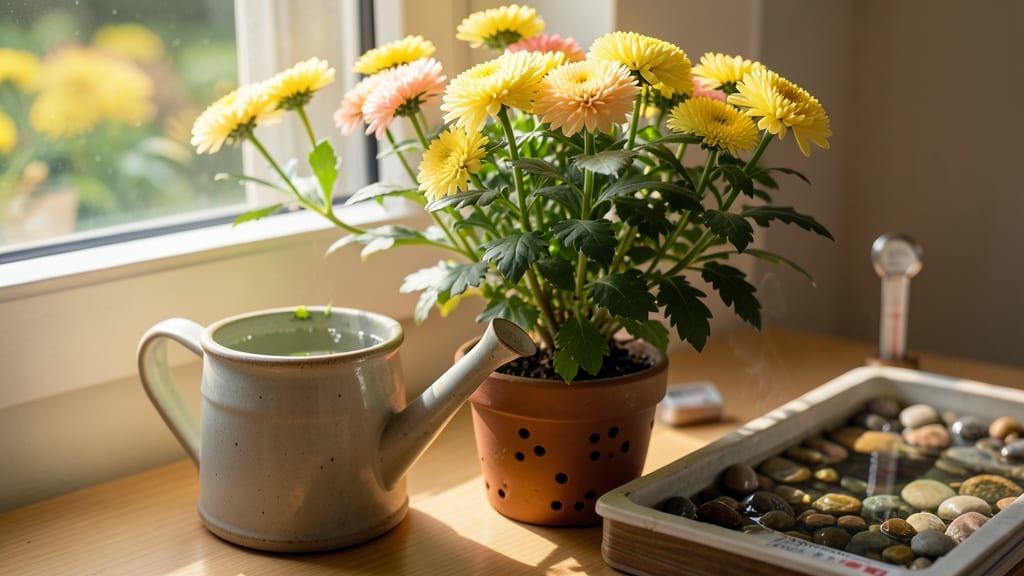
How to keep mums alive indoors feels like solving a puzzle—especially after the holidays when they’re already struggling. 🌼 I’ve nursed dozens back from the brink by fixing just three things: light, water, and temperature. Most people overwater or starve them for sunlight, both of which send them into dormancy faster than you’d think. The trick is bright, indirect light—think east-facing windows or a grow light 6–12 inches away for 12–14 hours daily. Skip the south window unless it’s filtered; direct sun burns their leaves. Water only when the top inch of soil is dry, and use room-temperature water to avoid shocking the roots. Humidity matters too—group plants together or use a pebble tray to keep air moist, especially in dry winter air. By adjusting these, you’ll see new growth in 2–3 weeks, and those blooms will last months instead of weeks. The key is consistency: mums hate sudden changes, whether it’s drafts from AC vents or cold windowsills. Once you nail the routine, they’ll reward you with color through winter and into spring. Here’s where most people mess up: fertilizing too early or too late. Wait until you see fresh growth before adding a balanced liquid fertilizer—half-strength—every 4–6 weeks. And never let them sit in soggy soil; that’s how you lose them for good. Small tweaks make all the difference.
📚 In This Guide
- What you need
- Instructions
- Tips and common mistakes
- Wrapping up and next steps
What you need
- ● Healthy mum plants: Choose vibrant, disease-free mums with at least 3–5 buds per stem (avoid fully bloomed ones—they’ll fade fast!). Quantity: 1–3 plants (depending on pot size).
- ● Well-draining pots: Terracotta or ceramic pots (4–6 inches in diameter) with drainage holes. Quantity: 1 per plant (or a shared container with spacing).
- ● High-quality potting mix: A blend of peat moss, perlite, and compost (or pre-mixed "bulb and flowering plant mix"). Quantity: Enough to fill pots 2/3 full.
- ● Grow lights: LED full-spectrum grow lights (12–15 watts per plant, adjustable height). Example: 2–3 bulbs for 1–3 plants.
- ● Timer: A plug-in 12–14 hour daylight timer (to mimic natural cycles).
- ● Pruning shears: Sharp, clean scissors (sterilize with rubbing alcohol).
- ● Spray bottle: For gentle hydration checks.
- ● Fertilizer: Balanced liquid fertilizer (10-10-10 or 20-20-20, diluted to half-strength). Quantity: Small bottle for monthly feedings.
- ● Humidity tray: A shallow tray with pebbles + water to boost moisture (especially for dry indoor air).
- ● Thermometer/hygrometer: To monitor 60–70°F temps and 40–60% humidity.
- ● Slow-release granules: Time-released fertilizer (like Osmocote) for convenience.
- ● Decorative pebbles: For a polished look (place on top of soil to retain moisture).
Step-by-step instructions for keeping mums alive indoors
Here’s how I keep my mums thriving all winter—no fancy equipment, just smart light tricks.
🪴 Step 1: Choose the Right Pot and Soil
Start with a pot that’s 2-3 inches wider than the mum’s root ball and has drainage holes—mums hate soggy roots. I use a terracotta pot because it breathes better than plastic, which helps prevent root rot. Fill the bottom 1 inch deep with fresh potting mix (not garden soil—it’s too heavy and drains poorly).
Gently remove the mum from its nursery pot and loosen the roots if they’re tightly bound. Place it in the new pot so the top of the root ball sits ½ inch below the rim. This gives you room to water without spilling soil everywhere. Fill the sides with more potting mix, pressing lightly to remove air pockets but not compacting too tightly.
☀️ Step 2: Mimic Natural Light with a Grow Light
Mums need 6-8 hours of bright light daily to stay healthy indoors. A south-facing window works in winter, but most homes don’t get enough natural light this time of year. I use a full-spectrum LED grow light on a timer for 12-14 hours per day to keep them blooming.
Position the light 6-12 inches above the plant—close enough to see warmth, but not so near it burns the leaves. You’ll know it’s working when the leaves stay dark green and the stems stay sturdy. If the leaves yellow or stretch toward the light, it’s too far away.
💧 Step 3: Water Just Right—Don’t Drown Them
Water mums when the top inch of soil feels dry to the touch. Stick your finger in the soil—if it’s damp, wait another day. Overwatering is the #1 killer of indoor mums. I water deeply until it drains from the bottom, then dump out any excess in the saucer to avoid root rot.
Mums in pots dry out faster than those in the ground, so check the soil every 3-4 days in winter. If the leaves start wilting or the soil feels dry at the surface, it’s time to water. But if the soil stays soggy for more than a day, your pot might not have enough drainage.
✂️ Step 4: Prune and Feed for Next Season’s Blooms
After the last frost, cut back the stems to 3-4 inches tall to encourage fresh growth. This might seem harsh, but it tricks the plant into focusing energy on new roots and stems instead of fading blooms. I also fertilize with a balanced 10-10-10 or 20-20-20 formula every 4-6 weeks in spring and summer to keep them strong.
Deadhead spent blooms regularly—this means snipping off the faded flowers with clean scissors. It might look messy at first, but it prevents the plant from wasting energy on seeds and keeps it blooming longer. By late summer, you’ll see new buds forming for another round of color.
Tips & tricks for perfect indoor mum care
Keeping mums alive indoors isn't rocket science—just a few simple tricks to mimic their outdoor needs. Here's what I've learned from years of winter blooms.
Pot and Drainage Wisdom: If your pot doesn't have drainage holes, drill a few yourself—mums will forgive you for many things, but soggy roots aren't one of them. I've also found that elevating pots on saucers with pebbles creates extra air space, which helps prevent rot during winter's dry indoor air. The ½-inch gap below the rim in Step 1 is your friend—it prevents water from spilling over when you water deeply.
Lighting Hacks: That 6-8 hours of natural light is non-negotiable, but here's the secret: rotate your plant quarter-turn daily so all sides get even exposure. For grow lights, I set a timer for 12-14 hours because mums need consistent light cycles—think of it as their winter sun schedule. And if you notice leaves stretching toward the light (called etiolation), move it closer immediately—within 6-12 inches is perfect.
Watering Technique: The top inch dry test is foolproof, but here's what nobody tells you: tap the pot gently before sticking your finger in. If it sounds hollow, it's definitely dry. Also, in winter, I water from the bottom by placing the pot in a tray of water for 10 minutes—this gives roots a chance to drink up without the risk of overwatering from above. The 3-4 day check schedule works, but if your home has dry air from heating, you might need to check daily.
Pro Tips for Keep Mums Alive Indoors
- Keeping mums alive indoors isn't rocket science—just a few simple tricks to mimic their outdoor needs.
- Pot and Drainage Wisdom: If your pot doesn't have drainage holes, drill a few yourself—mums will forgive you for many things, but soggy roots aren't one of them.
- Lighting Hacks: That 6-8 hours of natural light is non-negotiable, but here's the secret: rotate your plant quarter-turn daily so all sides get even exposure.
Frequently asked questions
Got questions about keeping your Chrysanthemum morifolium (mums) thriving indoors? Here are some of the most common concerns—and their solutions—to help you enjoy those bright blooms all year long.
How long can mums live indoors if I follow the right care?
With proper light (6–8 hours of bright, indirect sunlight daily), cool temperatures (55–65°F), and consistent moisture, your mums can bloom indoors for months—even up to a year or longer! After flowering, trim back stems and provide a 4–6 week rest period (cooler temps, less water) to encourage reblooming the next season.
Why are my indoor mums dropping buds before they open?
Bud drop usually means stress—often from too much heat, low humidity, or inconsistent watering. Keep them away from drafts, mist leaves lightly (or use a pebble tray), and water when the top inch of soil feels dry. Avoid fertilizing during blooming, as excess nutrients can also cause bud drop.
Can I use regular grow lights instead of natural sunlight?
Yes! LED grow lights (full-spectrum, 10,000–15,000K) work well for 12–14 hours daily, placed 6–12 inches above the plant. Avoid incandescent bulbs (they generate too much heat). Rotate the plant weekly for even growth, and supplement with a balanced liquid fertilizer (diluted to half-strength) every 4–6 weeks.
What’s the best temperature range for indoor mums?
Mums prefer cool to moderate temps—ideal range is 55–65°F during the day and 50–55°F at night. Avoid sudden temperature swings (like near AC vents or heaters), which can shock the plant. If your home stays too warm (>70°F), blooms may fade faster, and leaves could yellow.
How do I revive a mum that’s looking wilted or leggy?
Start with pruning: Cut back overgrown stems by ⅓ to encourage bushier growth. Check for root rot (smelly, mushy roots)—if found, repot in fresh, well-draining soil. Boost light immediately (a sunny windowsill or grow light helps). For leggy mums, pinch back tips to promote compact growth, and fertilize lightly with a low-nitrogen formula.
Wrapping up and next steps
Keeping your mums (chrysanthemums) alive indoors is totally doable with the right light, care, and a little patience! 🌿 The key takeaway? Mimic their natural environment with bright, indirect light (or a grow light), keep soil moist but not soggy, and give them a cool, draft-free spot.
With these simple tricks, you’ll enjoy vibrant blooms year-round—no green thumb required!
Ready to give it a try? Grab your mums, set up their perfect indoor haven, and watch them thrive! Next step: Pick a sunny windowsill or invest in a small grow light—your floral friends will thank you with months of color. Happy gardening! 🌸