
Pests
Petunias are vibrant favorites, but their delicate blooms often wilt under poor care. These 10 proven techniques will help you cultivate thriving petunias year-round—even in challenging climates—while keeping pests at bay and maximizing bloom time.
Choose Disease-Resistant Petunia Varieties
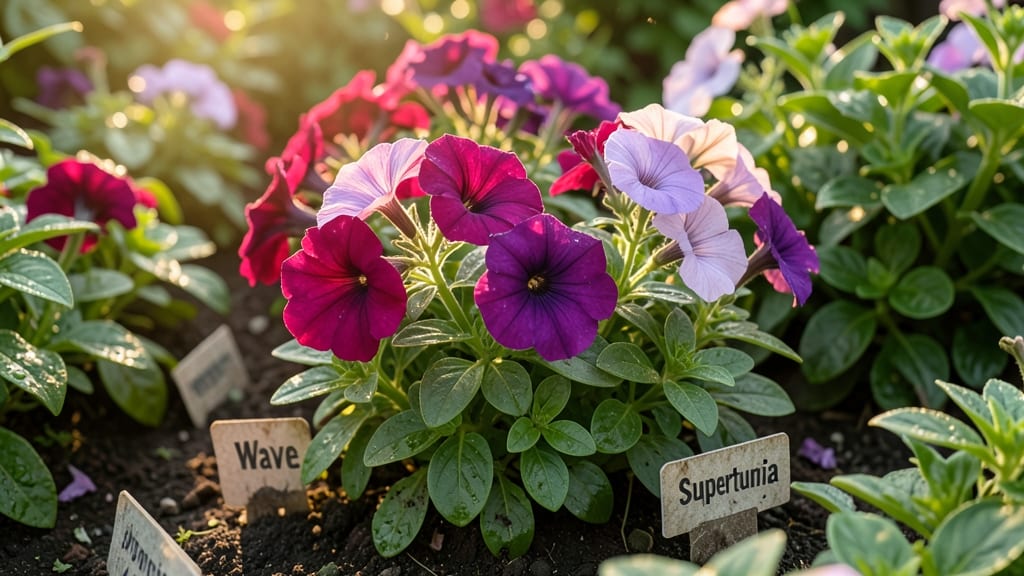
Tired of petunias that wilt at the first sign of rain or aphids? Disease-resistant hybrids like 'Wave' and 'Supertunia' are your secret weapon—these varieties are bred to shrug off fungal diseases and pests, so you spend less time troubleshooting and more time admiring blooms.
Look for labels that mention powdery mildew resistance or spider mite tolerance. These hybrids also handle heat and humidity better than traditional petunias, making them perfect for humid climates or busy gardeners who can't monitor plants daily. Plus, their compact growth means fewer stems to prune.
If you've struggled with petunias in the past, these tougher varieties are your best bet for low-maintenance color all season. Start here, and you'll be one step closer to petunia perfection! 🌻
Plant in Full Sunlight Locations
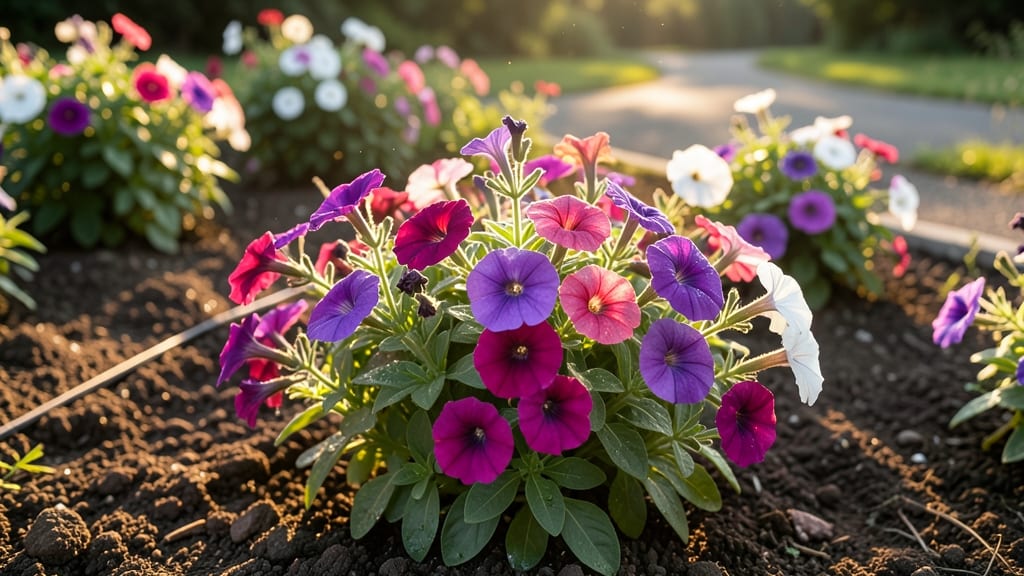
Struggling to get your petunias to bloom as abundantly as their neighbors? The secret might be as simple as giving them the right amount of sunlight. These sun-loving plants need at least 6 hours of direct sunlight daily to produce their signature vibrant blooms and sturdy stems.
Position your petunias in southern exposures where they’ll receive the most sunlight, or place containers on sunny patios or balconies. If you notice leggy growth or sparse flowers, it’s a sign they need more light. Morning sun paired with afternoon shade works in hot climates, but full sun is ideal for maximum blooms. For container gardeners, rotate pots occasionally to ensure even light exposure.
This simple adjustment can transform your petunias from straggly survivors to showstopping bloomers. Perfect for urban balconies or sunny garden beds, it’s the easiest way to boost their performance. 🌻
Use Well-Draining Soil Mixes
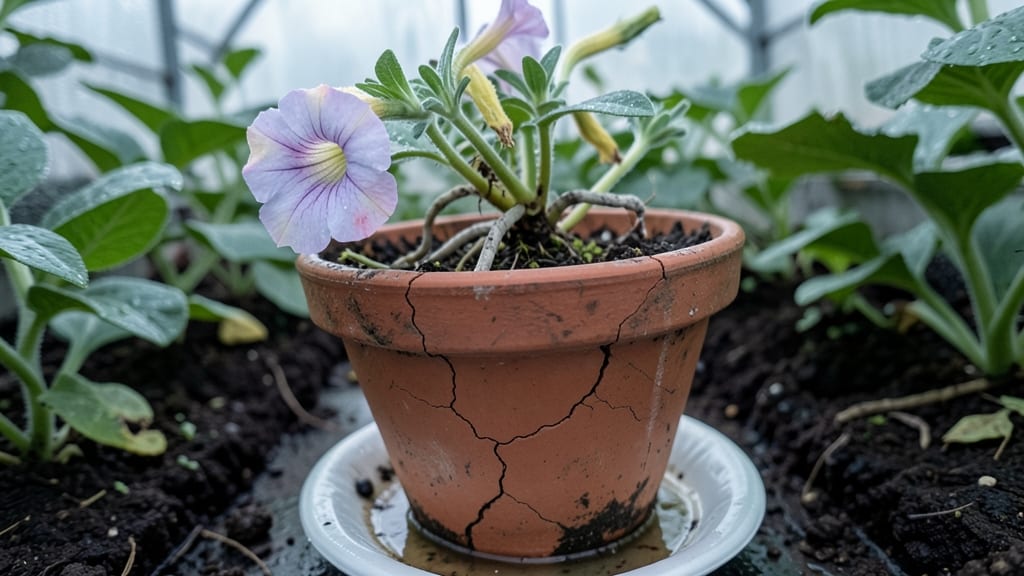
Petunias hate soggy feet—literally. If your plants wilt despite proper watering, the issue might be poor drainage trapping moisture around delicate roots. In humid climates, this creates the perfect breeding ground for root rot, a silent killer that turns vibrant blooms into limp, yellowing stems overnight.
Amend garden beds with perlite or coarse sand (20-30% of your mix) to create air pockets, or opt for cactus/succulent potting mixes in containers—they’re designed to wick away excess moisture while retaining just enough hydration. For in-ground plantings, raise beds slightly or add a layer of gravel at the bottom of holes to improve drainage. This simple tweak can extend your petunias’ lifespan by up to 40% in damp conditions.
Container gardeners and those in rainy climates will see the biggest benefits, but even ground plantings thrive with this adjustment. Skip the guesswork—test your soil’s drainage by filling a jar with your mix, adding water, and timing how long it takes to drain. If it’s slower than 10 minutes, it’s time to amend! 🌱
Water at Soil Level Only
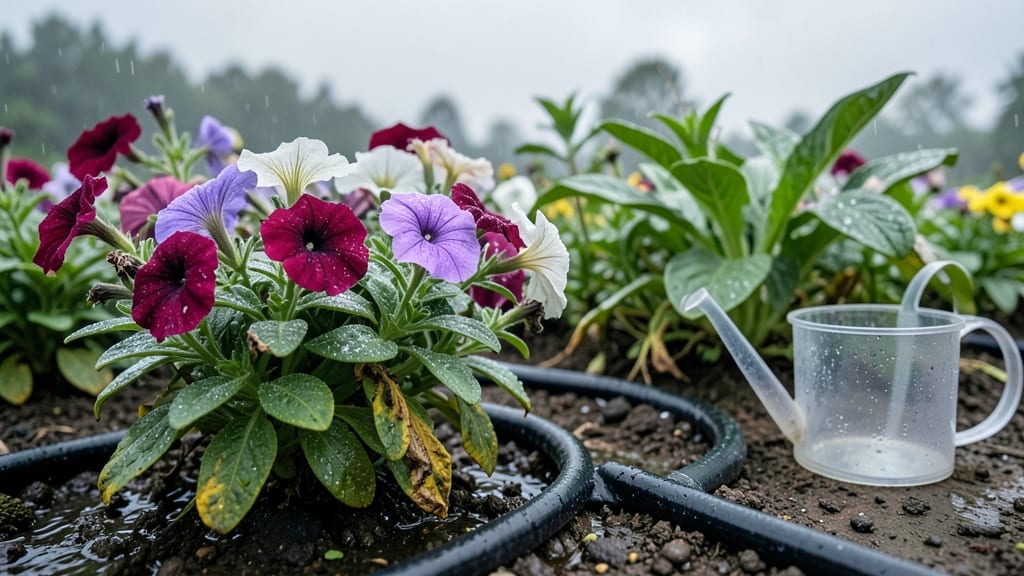
If your petunias are struggling in humid or rainy climates, the way you water them could be the culprit. Fungal diseases like powdery mildew and botrytis thrive on wet foliage, but a simple shift in technique can save your plants—watering at the soil level instead of overhead.
Use a soaker hose or watering can with a narrow spout to deliver moisture directly to the roots in the early morning. This allows foliage to dry quickly, reducing fungal spores' ability to take hold. Avoid evening watering, as damp leaves overnight invite disease. For containers, water until it drains from the bottom—never let petunias sit in saucers of standing water.
This method is especially crucial for gardeners in coastal areas or tropical regions, where humidity levels stay high. By keeping leaves dry, you’ll see fewer yellowing leaves and more vibrant blooms—without extra effort. 🌱
Deadhead Flowers Regularly
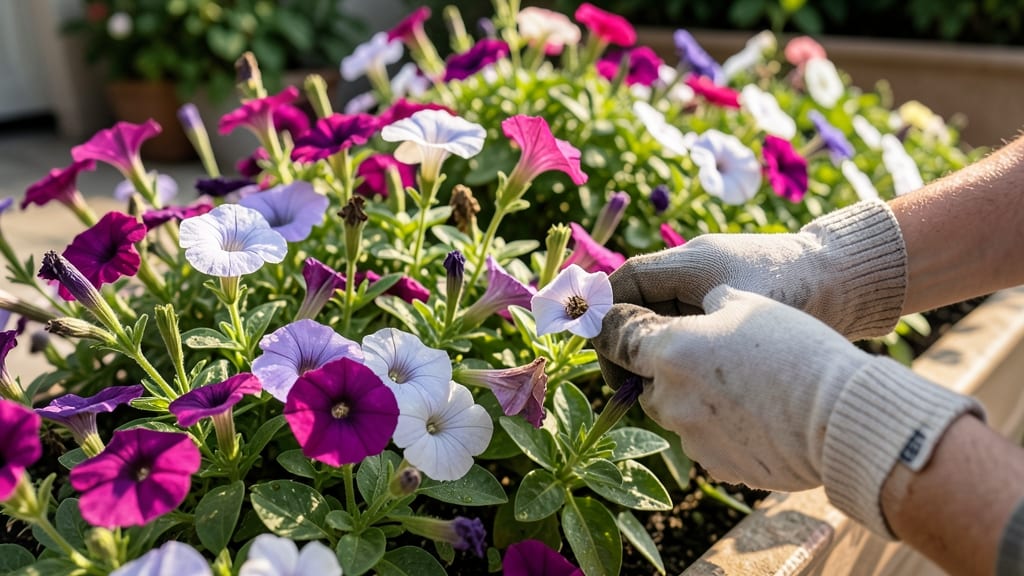
Tired of petunias putting all their energy into seed production instead of blooming? Deadheading—simply pinching off spent flowers—is your secret weapon for nonstop color. This easy 5-minute weekly task redirects your petunias' energy toward producing new blooms instead of seeds, often extending their flowering season by 30-50%.
Use your fingers or clean pruners to snip off faded blooms just above the next set of leaves. For trailing varieties, focus on the lowest spent flowers first to encourage bushier growth. Avoid over-trimming—just remove the wilted blossom and a tiny bit of stem. This method works especially well for container petunias, where space is limited but you want maximum impact.
Deadheading is ideal for busy gardeners who want longer-lasting color with minimal effort. Even beginners can master this technique—it’s the fastest way to keep your petunias looking fresh all season long. 🌻
Apply Balanced Fertilizer Monthly
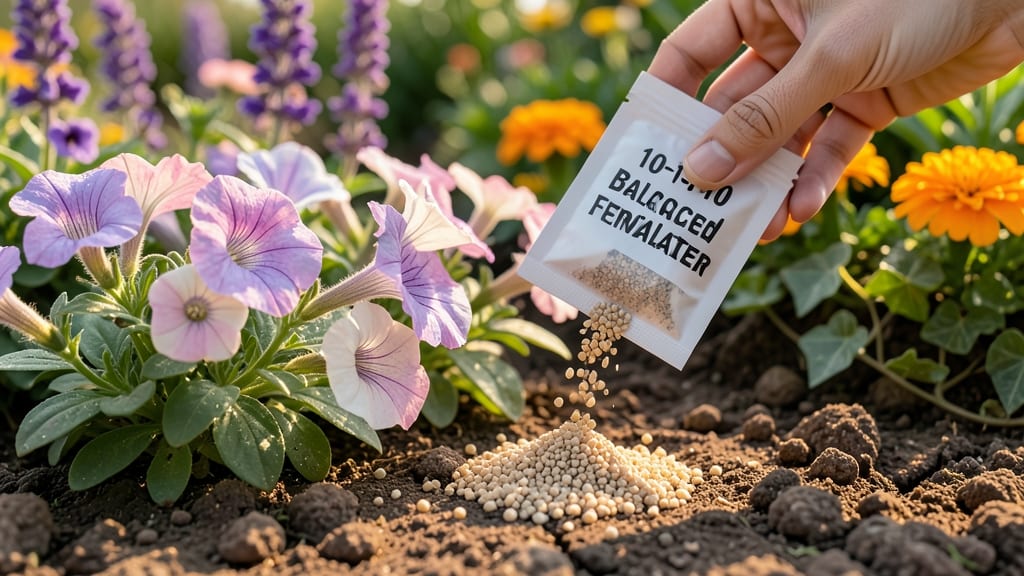
Struggling with petunias that bloom weakly or fade too soon? A balanced fertilizer like 10-10-10 is your secret weapon for vibrant, long-lasting color—without the risk of root burn. Unlike heavy feeders that smother delicate roots, this gentle approach keeps your petunias thriving all season.
Apply slow-release pellets or liquid fertilizer every 4-6 weeks during the growing season (spring through fall). For container petunias, halve the recommended dose to prevent salt buildup in soil. Look for signs of stress—yellowing leaves or crispy edges—and adjust frequency if needed.
This method is perfect for busy gardeners or those with limited experience, as it minimizes guesswork while delivering consistent results. Your petunias will reward you with bold blooms and lush foliage all season. 💚
Protect from Evening Dew
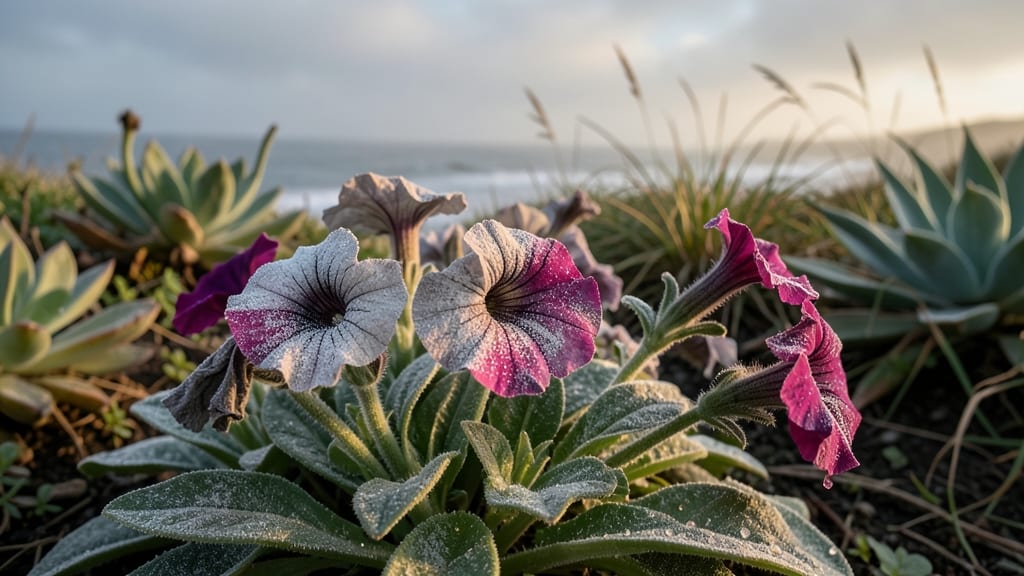
If your coastal garden leaves petunias looking sad and dusty by morning, evening dew might be the culprit. That lingering moisture creates the perfect conditions for powdery mildew, a fungal disease that turns vibrant blooms into grayish, crumbling messes—especially in humid climates.
Lightweight row covers (like Reemay fabric) are your secret weapon. Drape them over plants at dusk and remove by mid-morning to allow sunlight and pollinators through. This simple step blocks the fungal spores that thrive overnight while keeping your petunias dry and disease-free. For extra protection, water in the morning so foliage dries before evening.
Coastal gardeners and beginners will love this no-fuss method—it’s cheaper than fungicides and works for other humidity-sensitive plants too. 🌱
Rotate Containers Seasonally
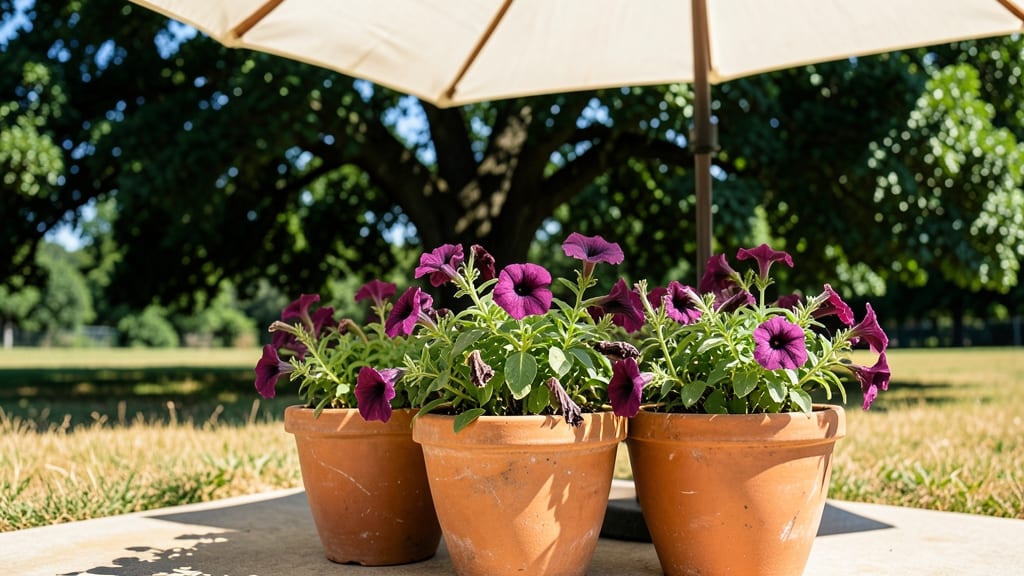
If your potted petunias look sad during scorching summer afternoons, it’s not a sign of failure—it’s just a seasonal need for shade. This simple rotation trick keeps your plants happy without extra effort or cost.
Move containers to partial shade (like under a patio umbrella or tree canopy) when daytime temps exceed 85°F (29°C). This prevents heat stress and wilting while still allowing enough light for blooming. Once evening temps drop below 75°F (24°C), return them to their sunny spot for optimal growth. Use a wheelbarrow or dolly to make moving heavy pots easier—your back (and petunias) will thank you.
This hack works especially well for balcony gardeners and urban dwellers with limited space. It’s a low-cost way to extend your petunias’ bloom season without buying new plants. 🌻
Use Neem Oil for Pest Prevention
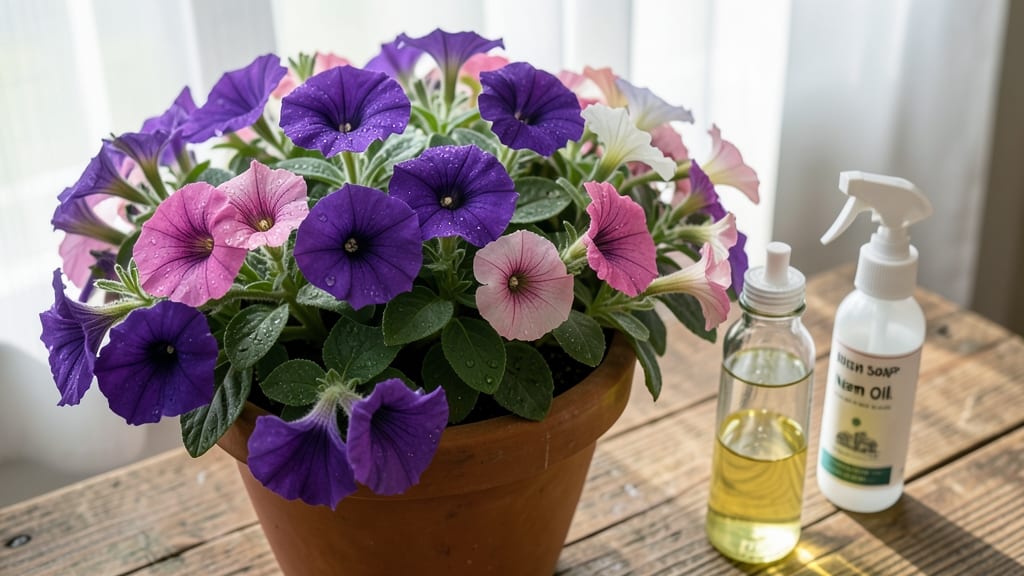
Tired of aphids and spider mites turning your petunias into a buffet? A weekly neem oil spray acts as a shield, not just a cure—preventing pests before they become a problem while keeping your blooms pristine.
Mix 1 teaspoon of neem oil with 1 quart of water and a drop of dish soap (as an emulsifier), then spray the undersides of leaves where pests hide. The oil disrupts pests' life cycles without harming beneficial insects or your petunias' delicate blooms. For best results, apply in the early morning when humidity is high, allowing the solution to dry before sunlight intensifies.
This organic solution is ideal for gardeners who prefer chemical-free methods or those with pets and children. Just one preventive spray can save your petunias from becoming a pest magnet! 🌿
Overwinter with Care in Cold Climates

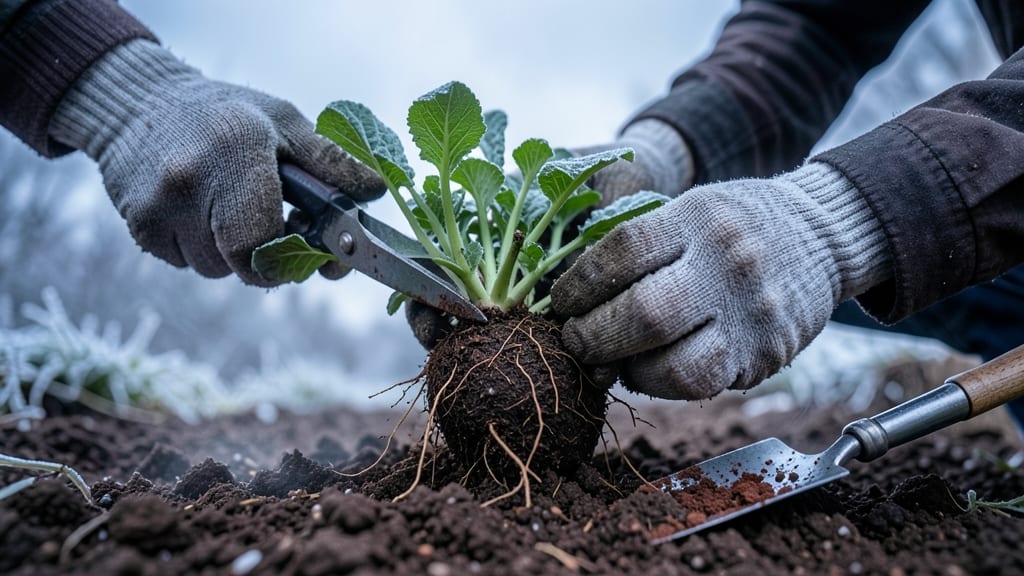
Cold winters don’t have to mean goodbye to your beloved petunias! With a simple three-step overwintering process, you can revive these annuals year after year in USDA zones 3-7—no greenhouses required.
Start by digging up tubers before the first frost, trimming foliage to 2 inches above the soil. Store them in a cool, dry place (like a basement) wrapped in peat moss or vermiculite. Check monthly for rot and replant in spring when soil temperatures reach 60°F. This method works best for succulent-leaved varieties like 'Wave' petunias.
Perfect for gardeners who love seasonal color but hate losing their favorite plants to winter. Your year-round blooms will thank you! 🌻