
Shrubs
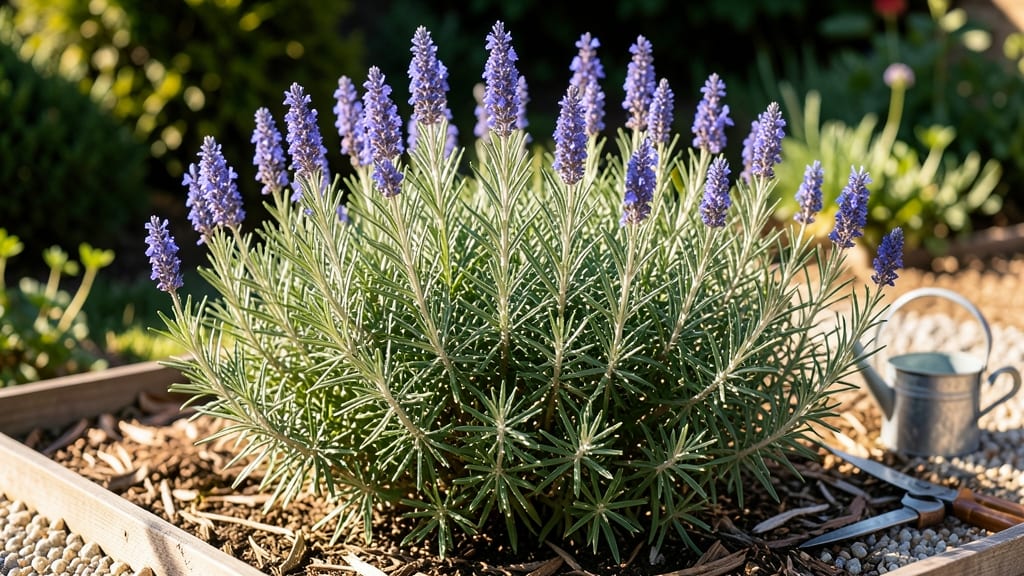
How to keep salvias flowering like confetti—until you learn their secret. ✨ The difference between a summer-long show and a quick fade is simple: knowing when and how to prune. I’ve watched my salvias go from a single burst of color to blooming nonstop from spring to frost by mastering just three techniques.
Start with deadheading—snipping off spent blooms as soon as they fade. This isn’t just about looks; it tells the plant to redirect energy into new flowers instead of seeding. Pair that with a light trim after the first big flush of blooms to encourage bushier growth.
And here’s the kicker: salvias hate soggy roots, so water deeply once a week (more in extreme heat), letting the soil dry between waterings.
By mid-season, you’ll see the payoff: fresh buds forming where old flowers once were. Perennials like salvia nemorosa or autumn sage reward patience with a second bloom cycle, while annuals like Mexican bush sage stay vibrant all summer if you keep up the routine.
The key? Less is more—over-pruning stresses them, and overwatering drowns their roots.
Winter care shifts the game: cut back perennials by half, leaving some stems for structure, and mulch to protect roots from freeze-thaw cycles. Annuals? Pull them when frost hits—no need to nurse them through winter. The result? Salvias that outperform store-bought flowers and keep your garden buzzing with pollinators.
📚 In This Guide
- What you need
- Instructions
- Tips and common mistakes
- Wrapping up and next steps
What you need
- ● Pruning shears or sharp bypass pruners (sterilized, with clean blades to avoid disease—1 pair is plenty).
- ● Gloves (gardening gloves to protect hands from thorns or sap—1 pair recommended).
- ● Disinfectant solution (70% isopropyl alcohol or a 10% bleach-water mix for sterilizing tools).
- ● Compost or mulch (aged compost or organic mulch to replenish soil—1-2 gallons per plant).
- ● Watering can or hose with a gentle nozzle (for post-pruning hydration).
- ○ Garden twine or plant ties (optional but helpful for supporting tall Salvia varieties like Salvia nemorosa).
- ● Slow-release fertilizer (balanced 10-10-10 or low-phosphorus for flowering plants—1-2 tbsp per plant).
- ● Plant food with micronutrients (like fish emulsion or seaweed extract for a boost).
- ● Pruning saw (for thick-stemmed Salvia varieties like Salvia leucantha).
- ● Plant markers (to label varieties if you have multiple types).
- ● Rain cover or shade cloth (to protect plants from stress after pruning).
Tips & tricks for extended Salvia blooms
These little tweaks will help your salvias stay in full bloom for months—no secret gardening skills required.
Deadheading Timing: The 3-5 day check you do during peak bloom season is perfect, but here's the thing—morning is the best time to deadhead. Flowers are fully open and easier to spot when faded. I grab my pruners right after sunrise and remove all the browned blooms before they even start to dry out completely. This keeps the plant focused on producing new flowers instead of wasting energy on seed development.
Pruning Precision: When you're cutting back those oldest stems by 1/3, aim for clean cuts just above a leaf node. I use a small magnifying glass to spot the tiny buds forming at these nodes—it's like finding hidden treasure! This precise cut ensures new growth will sprout exactly where you want it. For woody varieties like Salvia greggii, I make the cut at a 45-degree angle to help water run off and prevent rot.
Light Strategy: That 6-8 hours of direct sunlight is non-negotiable, but here's what I've learned about positioning: place your salvias near a south-facing window if you're indoors, but rotate them 180 degrees every few weeks. This prevents them from growing lopsided toward the light. I also noticed that placing them on a rotating plant stand gives them even exposure all around, which results in bushier, more symmetrical plants.
Fertilizer Finesse: The 4-6 week feeding schedule works great, but I've found that timing matters too. Always fertilize in the morning when the plant is actively photosynthesizing. This gives the roots time to absorb nutrients before the heat of the day. And here's a pro move: after fertilizing, give your plant a thorough watering to help distribute those nutrients throughout the soil.
Pro Tips for Keep Salvias Flowering
- These little tweaks will help your salvias stay in full bloom for months—no secret gardening skills required.
- Deadheading Timing: The 3-5 day check you do during peak bloom season is perfect, but here's the thing—morning is the best time to deadhead.
- Pruning Precision: When you're cutting back those oldest stems by 1/3, aim for clean cuts just above a leaf node.
Frequently asked questions
Got questions about keeping your salvias in full bloom? Here are answers to the most common queries—so you can enjoy vibrant flowers all season long!
Why aren’t my salvias flowering at all?
If your salvias are putting out leaves but no blooms, they may need more sunlight (6+ hours daily) or a rest period (like winter dormancy). Over-fertilizing or using high-nitrogen feed can also delay flowers. Try moving them to a sunnier spot and pruning back leggy growth to encourage new blooms.
How often should I deadhead salvias to keep them flowering?
Deadhead spent blooms weekly (or as soon as they fade) to redirect energy into new flowers. For perennial salvias, cut back 1/3 of the plant after the first flush of blooms to promote a second round. Annuals (like Salvia splendens) may need more frequent trimming to stay tidy and keep producing.
Do salvias need a dormant period to rebloom?
Yes! Many salvias (especially perennials) require a cold snap or dry rest to trigger reblooming. In mild climates, mimic dormancy by reducing water in late summer and pruning back by half. In frost-prone areas, mulch heavily and cut back in early spring. This reset helps them burst into color again!
Can I prune salvias too much? What’s the risk?
Over-pruning—especially cutting into old wood (woody stems)—can stress salvias and reduce flowering. Stick to light trims after blooms fade or in early spring. If you accidentally prune too hard, don’t worry: salvias are resilient! Just avoid cutting into bare stems, and they’ll recover with time.
Are there salvias that bloom continuously without deadheading?
While most salvias benefit from deadheading, some varieties (like Salvia microphylla or Salvia ‘May Night’) produce self-cleaning blooms that stay neat longer. However, even these may reward occasional trims for bushier growth. For true "no-maintenance" blooms, opt for Salvia leucantha (which sheds spent flowers naturally).
Wrapping up and next steps
Keeping your salvias blooming beautifully is all about consistent care—deadheading spent flowers, pruning wisely, and meeting their basic needs. With a little attention to light, water, and soil, your salvias will reward you with vibrant blooms for months! 🌸
Ready to enjoy a showstopping garden? Grab your pruners and get started—your salvias will thank you with nonstop color all season!