
How To
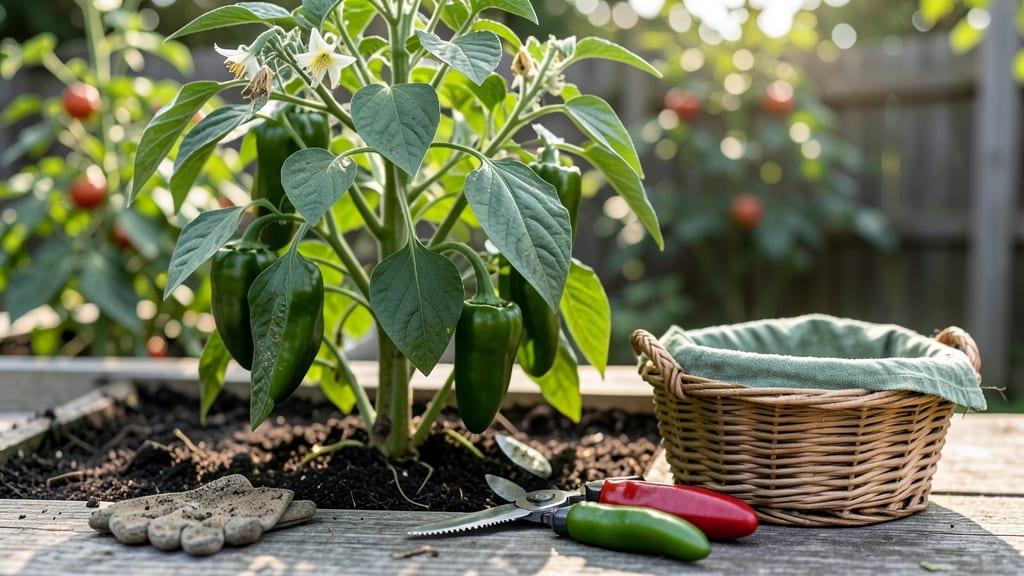
Knowing how to know when a jalapeño is ready to pick can make the difference between fiery, perfect peppers and bitter, overripe disappointments. The right moment isn't just about color—it's about size, firmness, and even how the pepper feels when you touch it.
I've learned the hard way that waiting too long can turn your homegrown jalapeños into something more suitable for compost than the kitchen. But harvesting too early? You miss out on that signature heat and rich flavor we all love.
The good news is, with just a few simple checks, you can nail the perfect harvest every time.
From deep green to vibrant red, each color stage tells a different story about your jalapeño's maturity and heat level. Whether you prefer your peppers fresh, pickled, or dried, understanding these visual cues will help you maximize both yield and flavor.
Let's break down what to look for so you never miss the ideal picking window again.
Ready to transform your garden into a spice powerhouse? I'll walk you through the 5 key indicators that prove your jalapeños are ready—no guesswork required. Your taste buds (and your dinner guests) will thank you!
Jalapeño ripeness by color: what each stage means for flavor and heat
Jalapeños go through distinct color stages, each signaling a different flavor and heat profile. Understanding these stages helps you pick peppers at their peak—whether you want mild, fresh jalapeños or fiery, fully ripe ones.
The journey starts with green peppers and can end with red, orange, or yellow varieties, depending on your goals.
Most gardeners harvest jalapeños when they're deep green and firm, but letting them ripen to red or orange unlocks sweeter, fruitier flavors with a deeper heat. The key is knowing which stage aligns with your recipe needs.
For example, green jalapeños are perfect for pickling, while red jalapeños shine in salsas or fresh dishes.
Here’s how each color stage breaks down, including flavor changes, heat levels, and ideal uses. Pay attention to these clues to avoid bitter or underdeveloped peppers.
| Stage | Color | Flavor Profile | Heat Level (Scoville) | Best For |
|---|---|---|---|---|
| Early Green | Pale green | Grassy, mild, underdeveloped | 2,500–5,000 SHU | Discard (not edible) |
| Mature Green | Deep green, glossy | Fresh, slightly tangy, crisp | 2,500–8,000 SHU | Pickling, fresh salsa, grilling |
| Light Green/Yellow | Yellow-green, streaked | Sweet, fruity, balanced | 4,000–10,000 SHU | Fresh dishes, roasting |
| Red | Bright red | Sweet, smoky, complex | 2,500–8,000 SHU | Salsas, stuffing, dried peppers |
| Orange | Orange-red | Fruity, slightly sweet | 3,000–6,000 SHU | Fresh eating, sauces |
Note: Heat levels vary by variety and growing conditions. Always taste-test!
The green stage is where most home gardeners harvest jalapeños because they’re crisp and less sweet. However, allowing peppers to ripen to red or orange increases their sugar content and mellows the heat slightly.
This stage also boosts capsaicin—the compound responsible for spiciness—though the actual heat level can drop as sugars rise.
If you’re growing jalapeños for pickling, harvest them at the mature green stage (3–5 inches long, deep green). For fresh eating or cooking, wait until they turn light green or red for a richer flavor.
Pro tip: Red jalapeños are often used in Mexican cuisine for their depth of flavor.
One common mistake is assuming all jalapeños ripen to red. Some varieties, like the 'Early Jalapeño', stay green even when fully mature. Check your seed packet or plant tag to confirm ripening expectations.
If unsure, use the stem twist test (more on this in the next section) to confirm ripeness.
Temperature also affects color development. Cooler nights slow ripening, while warm days (80°F+) speed up the transition from green to red. If your growing season is short, you might need to harvest green and ripen indoors under a grow light to extend your harvest window.
For maximum heat, pick jalapeños when they’re firm and glossy, regardless of color. Overripe peppers (soft, wrinkled, or dull) lose flavor and can develop a bitter taste. Aim to harvest every 2–3 days during peak production to encourage more peppers to mature.
🌱
Jalapeño ripeness by color: what each stage means for flavor and heat
Jalapeños change color as they mature, and each stage offers a different flavor profile and heat level.
The green stage is the most common for harvest, but understanding the full spectrum helps you decide when to pick for your favorite use—whether it's pickling, grilling, or fresh eating. Let’s break down what each color means for your peppers.
At the early green stage, jalapeños are firm but small (2-3 inches). They’re mildly spicy with a grassy, slightly tangy flavor. This stage is ideal for pickling because the peppers are crisp and less bitter.
However, they won’t have the full jalapeño kick you crave in salsas or sauces.
| Stage | Color | Heat Level | Flavor Profile | Best Use |
|---|---|---|---|---|
| Early Green | Bright green | Mild (2,500-5,000 SHU) | Grassy, slightly tangy | Pickling, fresh salads |
| Deep Green | Dark green | Medium (3,500-8,000 SHU) | Crisp, slightly sweet | Grilling, salsas, cooking |
| Light Green | Pale green | Medium-Hot (5,000-10,000 SHU) | Balanced heat, earthy | Stuffed peppers, sauces |
| Red/Orange | Red or orange | Hot (8,000-15,000 SHU) | Sweet, fruity, intense heat | Drying, hot sauces, roasting |
The deep green stage is where most gardeners aim for fresh eating. These peppers are 3-5 inches long, firm, and glossy, with a crisp texture and medium heat (around 5,000-8,000 SHU).
This is the sweet spot for grilling or stuffing, as the flavor is well-developed but not overly bitter.
If you let jalapeños ripen fully, they’ll turn red or orange, signaling the hottest stage (up to 15,000 SHU). These peppers are sweeter and fruitier but also softer, making them perfect for drying, hot sauces, or roasting.
The capsaicin (the compound that creates heat) peaks at this stage, so if you love spice, wait it out!
Pro tip: If you’re growing jalapeños in a shorter season, harvest at the deep green stage to avoid losing your crop to frost. The light green stage is a compromise—it’s hotter than deep green but not as sweet as red.
For pickling, early green peppers are your best bet for that classic tangy crunch.
Watch for color shifts over 3-5 days to confirm ripeness. A pepper that’s one shade darker than yesterday is likely ready for harvest. And remember—size matters! A 3-inch jalapeño is far more flavorful than a 2-inch one, even if both are green.