
How To
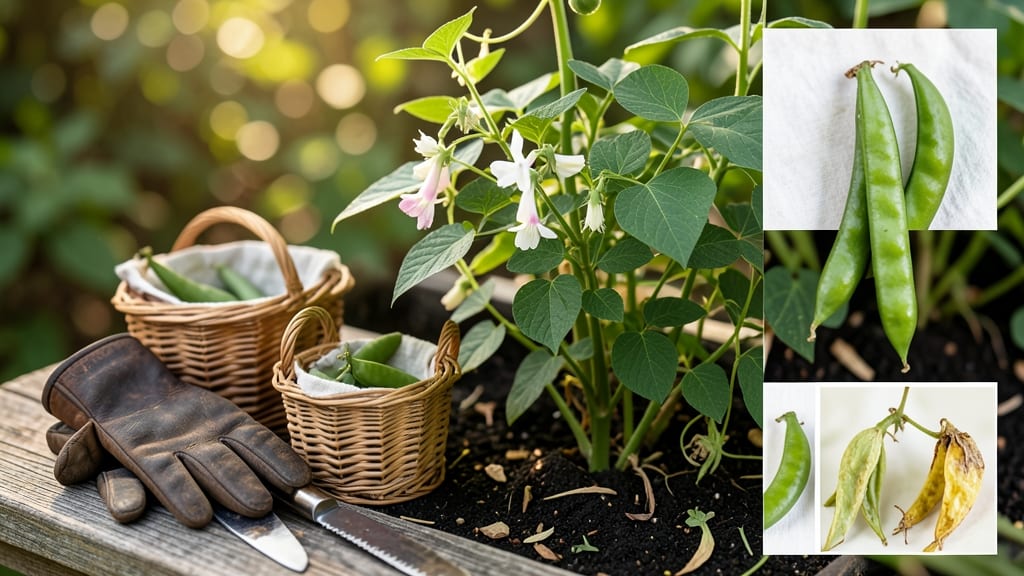
Knowing how to know when to harvest green beans is the difference between crisp, flavorful pods and tough, bitter ones—so let’s cut through the guesswork. These 🌱 gems thrive in USDA Zone 6a when planted in April, but timing your harvest wrong can turn your garden bounty into a disappointment.
Picture this: you’re reaching for a pod, expecting a satisfying crunch, but it snaps like a dry twig instead. That’s the moment you realize you waited too long.
The key to avoiding this is understanding the subtle visual cues that signal peak freshness—like pod size, color, and firmness—before they turn woody.
In this guide, I’ll break down the 3 must-know visual cues to nail your harvest timing, plus how often to check your plants for continuous production. No more second-guessing—just perfect, restaurant-quality beans straight from your garden.
Whether you’re a first-time gardener or a seasoned green thumb, these tips will help you harvest at the ideal moment, ensuring your green beans stay sweet, tender, and full of flavor from July through August.


3 Visual cues to harvest green beans at peak freshness
Timing is everything when harvesting green beans. One wrong move, and you’ll go from crisp, sweet pods to tough, stringy disappointments. The key lies in three simple visual cues that tell you exactly when to pick: pod size, color consistency, and seed visibility.
Master these, and you’ll enjoy a steady harvest all season long.
First, let’s talk about pod size. The ideal green bean for harvesting is between 4 to 6 inches long. Any smaller, and they’re still maturing; any larger, and they’ve passed their prime. Think of it like a golden window—miss it, and you’re left with less-than-stellar flavor.
Next, pay attention to the color of the pods. They should be a uniform green or the color specific to your variety (like purple for Dragon Tongue beans). Uneven coloring or pale spots mean the beans are underripe or stressed. A vibrant, even hue signals peak freshness.
Finally, check the seeds inside. At the perfect harvest time, the seeds should be barely visible through the pod wall—like tiny specks peeking through a thin curtain. If you can see them clearly or they’re plump and filling the pod, it’s time to pick before they toughen up.
| Cue | Not Ready | Perfect to Pick | Too Late |
|---|---|---|---|
| Pod Size | Under 3 inches 📏 | 4-6 inches ✅ | Over 6 inches 🌱 |
| Color | Pale or uneven 🔄 | Uniform green 🌿 | Dull or yellowing 🌡️ |
| Seed Visibility | Not visible 🤏 | Barely visible 🔊 | Clearly plump seeds 🌱 |
| Texture | Soft or rubbery 🤏 | Crisp and firm ✂️ | Tough or woody 🌳 |
| Sound | Mushy when bent 🤏 | Snaps crisply 🔊 | No snap, brittle 🌳 |
Pro tip: Use the fingertip test. Gently pinch a pod between your thumb and forefinger. If it feels firm and crisp, it’s ready. If it squishes or feels flimsy, it’s not there yet.
This simple trick saves you from guessing and ensures you’re always harvesting at the perfect moment.
Another trick is to harvest in the morning. Beans picked early in the day are cooler, firmer, and packed with more flavor. Plus, you’ll avoid the afternoon heat, which can make pods wilt faster. Think of it as your golden hour for green beans—short but sweet.
Don’t forget to check your plants regularly. Green beans produce quickly, and pods can go from perfect to overripe in just 24 hours. Make it a habit to scan your plants every 2-3 days, especially during peak harvest season.
The more you pick, the more your plants will produce—it’s like giving them a little nudge to keep going.
One common mistake is waiting too long because you think the beans will get bigger. But overripe beans lose their sweetness and develop tough fibers. Instead, aim for that 4-6 inch range and enjoy the best flavor. Your taste buds—and your plants—will thank you.
For bush beans (the compact types), focus on the lower pods first. These mature earliest, and if left too long, they can shade the upper pods, slowing their growth.
For pole beans, work your way up the vine, harvesting the oldest pods first. This keeps the plant balanced and encourages continuous production.
3 Visual cues to harvest green beans at peak freshness
Harvesting green beans at the right moment transforms your garden into a flavor factory. The difference between crisp, sweet pods and woody, tough beans often comes down to timing.
I’ve learned that even a day’s delay can turn perfect beans into overripe ones—so let’s focus on the three key visual cues that signal it’s time to pick.
First, pay attention to the pod size. Ideal green beans should measure between 4 to 6 inches long. Any shorter, and they’re still developing their full flavor. Overlooking this cue means missing the peak sweetness window, which closes fast once pods grow beyond this range.
Next, check the pod color. Healthy green beans should be a vibrant, even green—no streaks, yellowing, or browning. Color variations often indicate overmaturity or stress, like inconsistent watering. A uniform hue guarantees you’re harvesting at the sweetest stage.
Finally, examine the seed development inside the pod. At peak harvest time, seeds should be barely visible through the thin pod wall. If you can see distinct seeds or feel them pressing against the pod when squeezed, it’s past the ideal window.
Don’t forget to snap test your beans! Hold a pod between your fingers and gently bend it. If it snaps crisply, it’s ready. A bend that feels flexible or rubbery means it’s either too young or past its prime.
This simple trick saves me from harvesting subpar beans every season.
Timing your harvests isn’t just about flavor—it’s about encouraging more production. When you pick at the right moment, you signal the plant to focus on producing new pods instead of letting old ones overripe. Think of it as giving your green beans a gentle nudge to keep growing.
Pro tip: Use a small basket or cloth bag to collect your harvests. Avoid plastic bags, which can cause beans to sweat and spoil faster. And always harvest in the morning when pods are at their freshest and crispest.