
How To
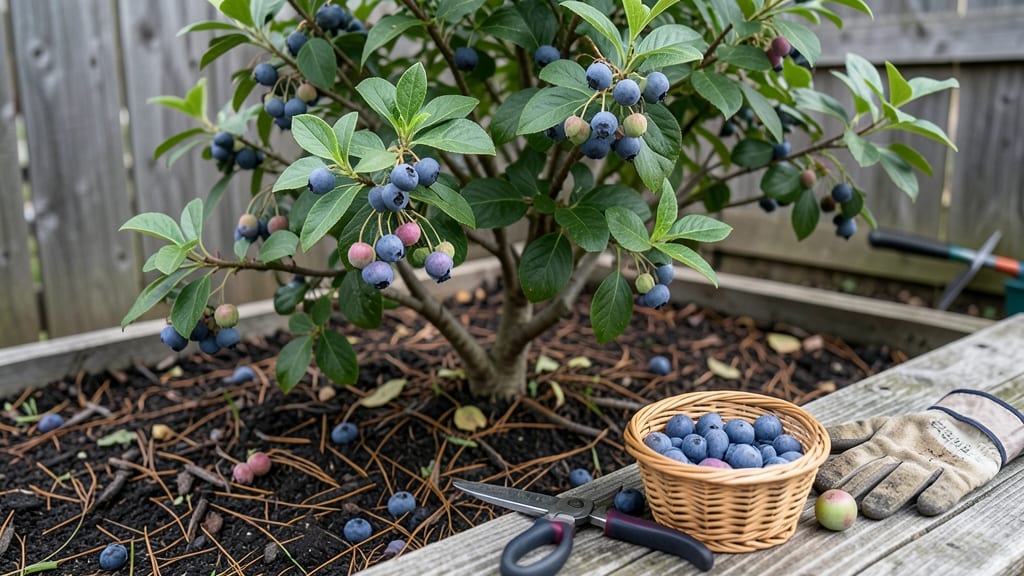
How to know when blueberries are ready to pick can turn a frustrating hunt into a rewarding harvest—if you check the right cues. That deep blue color isn't the only sign of ripeness, and picking too early means tart disappointment, while waiting too long risks losing your crop to birds or overripeness.
I’ve spent years watching blueberry bushes transform from leafy shrubs to fruit-laden goldmines, and the 5 key clues I’ll share will help you spot perfect berries every time. From the way they feel to how they detach, these simple tests take the guesswork out of harvest season.
Whether you’re in USDA Zone 6a or a warmer climate, seasonal variations matter—early varieties ripen faster than late-season bushes. You’ll learn how to adjust your timing, avoid common mistakes, and even tell when berries are past their prime before they hit the ground.
Let’s get started so you can enjoy that first sweet, juicy bite of homegrown blueberries without the second-guessing. Your patience (and your taste buds) will thank you!
5 Visual and texture clues to identify perfectly ripe blueberries
Blueberries are one of nature's sweetest rewards, but knowing exactly when to pick them can be tricky. Unlike many fruits, blueberries don't ripen further after picking, so timing is everything. The good news?
There are clear visual and tactile cues that tell you when your blueberries are ready to harvest. I’ve picked blueberries for years, and these five signs never fail me.
First, let’s talk about color. Ripe blueberries should be a deep, vibrant blue—almost black for some varieties like Patriot or O’Neal. If they’re still pale, pinkish, or greenish, they’re not ready yet.
I always compare them to a deep ocean wave—that’s the color you’re aiming for. Some varieties, like Bluecrop, might have a slight bloom or sheen when fully ripe.
Texture is your next clue. Gently press a berry between your thumb and forefinger—it should feel firm but slightly yielding, almost like a ripe peach. If it’s too hard or mushy, it’s not ready. I like to think of it as the perfect balance between a tennis ball and a water balloon. Overripe berries will squish easily and may leak juice, while underripe ones will feel rock-hard.
🌱 The most reliable test? The twist-and-snap method. Grasp a berry gently and twist it with your fingers—it should detach cleanly from the stem with just a slight pull. If it doesn’t come off easily, it’s not ripe yet. I’ve seen beginners tug too hard, which can damage the plant. A ripe blueberry should release effortlessly, almost like it’s begging to be picked.
-
🔵 Deep, uniform color
Berries should be solid blue or black, not speckled or pale. -
🤏 Slightly yielding to gentle pressure
Firm but not hard—like a ripe plum. -
✂️ Easy detachment with a twist
Stem should snap cleanly without resistance. -
🌡️ Consistent size for the variety
Not too small (underripe) or shriveled (overripe). -
💧 No moisture leakage when pressed
Juice should not ooze out—sign of overripeness.
Don’t overlook the size and shape of the berries. Ripe blueberries should be plump and round, filling out the calyx (the little cap at the top). If they’re small and shriveled, they’ve likely dried out on the bush.
I once picked a batch that looked ripe but were mealy inside—a sure sign of overripeness. Always cut one open to check if you’re unsure.
Another often-overlooked clue is the surface texture. Ripe blueberries have a slightly waxy or velvety feel. If they feel dull or powdery, they might not be ready.
I like to run my fingers over a cluster—ripe berries feel smooth and slightly sticky, almost like they’re coated in a thin layer of natural wax.
Finally, time of year matters. Early-season varieties like Jersey or Duke ripen in late May to early June, while late varieties like Chandler or Aurora peak in July or August. I always keep a harvest calendar handy to track when my bushes typically produce.
If you’re in a warmer climate, your harvest might start earlier, while cooler zones could delay ripening by a few weeks.
One of my biggest mistakes early on was picking based on color alone. Some berries look ripe but are still hard inside, while others might be deep blue but mushy.
That’s why I now always combine all five clues—color, texture, detachment, size, and surface feel—to guarantee a perfect harvest. When in doubt, wait one more day. Blueberries won’t get sweeter after picking, but they’ll never get worse on the bush.
Once you’ve mastered these clues, you’ll never second-guess your blueberry harvest again. The first time I picked a perfectly ripe batch using these methods, I felt like a blueberry whisperer.
Now, I can’t wait to share these tips with fellow gardeners—because nothing beats the taste of a sun-ripened blueberry picked at its peak!
5 Visual and texture clues to identify perfectly ripe blueberries
Blueberries don’t ripen all at once, so you’ll need to check each cluster individually. The key is combining visual cues with tactile tests—trusting one method alone can lead to disappointment. Start by examining the berry color, which is your first major clue.
Most blueberry varieties shift from pale green to a deep, vibrant blue when ripe. Some heirloom types, like Patriot or Duke, may appear almost black. Avoid picking berries that still have hints of green or red—these need more time on the bush.
- 🔵 Color Check: Fully blue/black berries (no green or red patches)
- 🤏 Firmness Test: Skin should yield slightly when gently squeezed
- ✂️ Twist Test: Stem should snap cleanly with minimal force
- 🌡️ Temperature: Warmer berries (slightly above ambient air) are riper
- 🌿 Cluster Check: Ripe berries often hang lower on the branch
The firmness test separates expert pickers from beginners. Press a berry gently between your thumb and forefinger—it should feel firm but not hard. Overripe berries will feel mushy, while underripe ones will feel rubbery.
This tactile check is especially critical for varieties like Bluecrop, which can fool you with a deep color but still be firm.
Next, perform the twist test, the most reliable method. Grasp a berry and twist it gently—it should detach cleanly from the stem with just a slight pull.
If it resists or the stem stretches, it’s not ready. This test works best in the morning, when berries are coolest and firmest.
Seasonal variations matter! Early-season varieties like Jersey ripen faster and may need picking 2-3 weeks earlier than late-season types like Chester. Always check your specific variety’s harvest window (typically June-July in most climates) and adjust your timing accordingly.
Finally, avoid bird damage by picking frequently—birds target ripe berries first. Use a lightweight container and harvest every 2-3 days during peak season. Store ripe berries in the fridge for up to 1 week or freeze them immediately for longer storage.