
How To
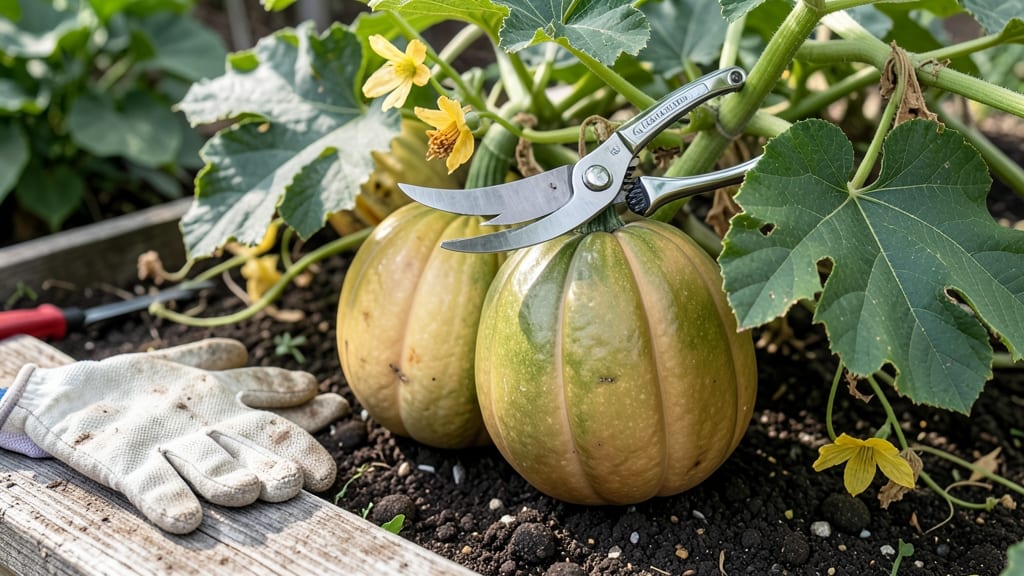
How to know when to pick acorn squash can mean the difference between a sweet, flavorful harvest and a tough, disappointing mess. The right timing isn't just about days since planting—it's about visual cues that tell you the moment is perfect.
If you've ever wondered why some squash turn out mealy or seedy, the answer lies in these 3 key signs of readiness. I'll show you how to check your squash without cutting it open, so you can avoid wasting time or missing the ideal harvest window in September-October.
Picture this: a deep, consistent color, a stem that's dried to a papery texture, and a rind that resists your fingernail when pressed. These aren't just random observations—they're the game-changer between a perfect squash and one that's past its prime.
Let's dive into what to look for so you can confidently pick your acorn squash at the exact moment it's ready to shine in your kitchen—or store for later. You'll never second-guess harvest time again.
3 Visual cues to identify ripe acorn squash
Timing your acorn squash harvest right ensures sweet, tender flesh instead of tough or seedy results. Look for these 3 key visual cues before cutting: rind color, stem condition, and vine behavior. Each clue works together to confirm peak ripeness without guessing.
First, check the rind color. Mature acorn squash develop a deep, consistent hue—tan, beige, or striped green—depending on the variety. Avoid squash with uneven green patches, as these may not be fully ripe. The color change signals the squash has stopped growing and started storing sugars.
Next, inspect the stem. A ripe acorn squash stem will feel dry and papery to the touch, almost like brittle paper. If you twist it gently, it should snap cleanly rather than bend. A fresh, green stem means the squash needs more time on the vine.
Finally, observe the vine. Healthy vines should show signs of yellowing leaves and natural die-back near the squash. This indicates the plant is redirecting nutrients to the fruit. If the vine is still lush and green, the squash likely needs 1-2 more weeks.
🎃 3 Visual Cues for Ripe Acorn Squash
- 1. Rind Color: Deep, even tan/beige or mature striped green (no green patches)
- 2. Stem Condition: Dry, papery, and snaps cleanly when twisted
- 3. Vine Behavior: Yellowing leaves and natural die-back near the squash
Bonus tip: Use your fingernail test for extra confirmation. Press gently into the rind—if it doesn’t dent, the squash is ready. A soft spot means it needs more time. This method works best when combined with the other visual cues.
For early-season varieties, like 'Table Queen,' prioritize the stem and vine cues over color, as some types mature faster. Always harvest before the first frost to prevent woodiness, which ruins texture and flavor.
Remember: Overripe squash won’t spoil quickly after harvest, but underripe ones develop bitter, seedy flesh. When all 3 cues align, it’s time to pick—your kitchen (and taste buds) will thank you!
Next, we’ll cover how to test ripeness without cutting the squash open, including the famous "thump test" and what to watch for in overripe squash.
3 Visual cues to identify ripe acorn squash
Timing your acorn squash harvest is all about reading the plant’s signals—don’t rely on days after planting alone. The perfect moment arrives when these three visual cues align: stem condition, rind hardness, and vine behavior.
I’ve learned the hard way that skipping any of these can turn your squash into a woody, flavorless disappointment.
First, check the stem color. A ripe acorn squash stem will turn from bright green to a dull, papery brown. This change happens naturally as the plant redirects energy to the fruit.
If the stem is still green and flexible, your squash needs more time on the vine—2-3 weeks at least.
Next, examine the rind hardness. Press your fingernail into the skin: if it doesn’t dent, it’s ready. Early squash have soft, almost spongy rinds that yield easily. Pro tip: A ripe acorn squash should feel like a hard soccer ball, not a stress ball.
Finally, observe the vine and leaves. When the plant’s vine begins yellowing and dying back, it’s a clear sign the squash is mature. The leaves will curl and crisp, almost like they’re preparing for winter. This is nature’s way of saying, “Harvest me now!”
🎃 Stem Turns Dull Brown
Look for a papery, dry stem—this means the squash is fully mature and ready to pick. Avoid harvesting if the stem is still green and flexible.
🤲 Rind Resists Fingernail Pressure
A ripe acorn squash’s skin should feel hard like a rock. If your nail leaves no mark, it’s time to harvest. Soft spots mean more time on the vine.
🌾 Vine and Leaves Yellow
When the plant’s leaves turn yellow and crisp, it’s a final cue. The vine may even die back slightly—this is your last chance to harvest before the squash overripens.
Bonus tip: Check the color too! Acorn squash mature into deep tan, beige, or striped hues. If yours is still pale green, it’s not ready—even if the stem looks dry. Color consistency is your final quality check before harvesting.
Once you’ve confirmed all three cues, grab your pruners and harvest within 24 hours for the best flavor. Store them in a cool, dry place (50–55°F) to preserve sweetness for weeks.