
How To
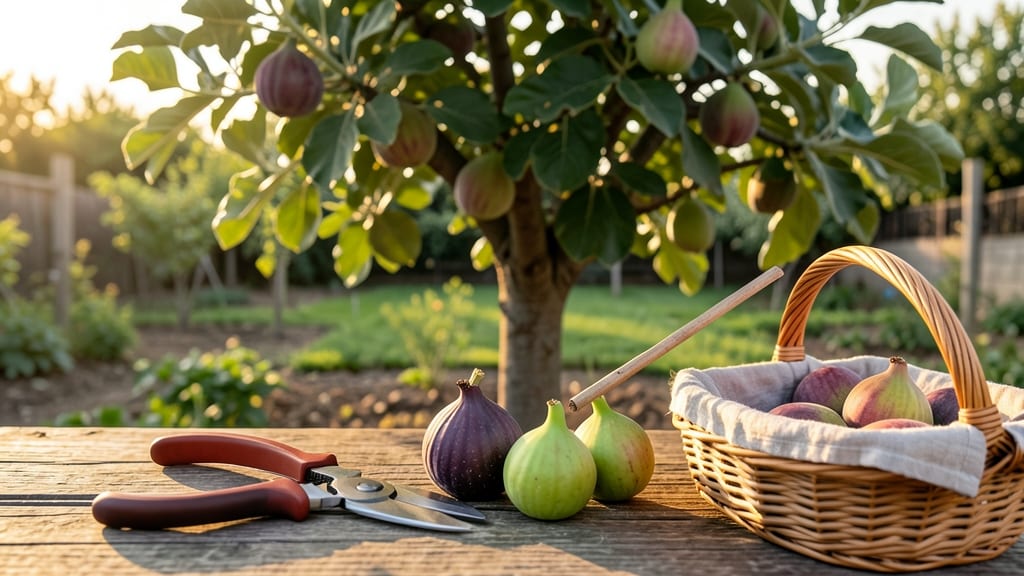
5 Visual ripeness tests to determine when figs are ready to pick
Figs ripen quickly, and once they reach peak sweetness, they can turn mushy in just 24 hours. That’s why knowing the 5 key visual cues is your ticket to harvesting figs at their juiciest.
These tests work for common varieties like Brown Turkey and Chicago Hardy, though some types (like Adriatic) may have slight variations.
Start by examining the skin color—this is your first clue. Most figs begin as bright green and gradually deepen to purple, brown, or pink, depending on the variety. For example, Brown Turkey figs turn a rich brownish-purple, while Black Mission figs develop a deep burgundy hue.
Pay attention to the base of the fig too; it should soften slightly as ripening progresses.
Next, test the texture with a gentle squeeze. A ripe fig will feel firm but slightly yielding, almost like a ripe peach. If it’s still hard as a rock, it needs more time.
You’ll also notice the skin resists slight pressure from your fingernail—if it punctures easily, the fig isn’t ready yet. This is especially true for green varieties, which can trick you into thinking they’re ripe when they’re not.
Pro Tip: Check for a tiny crack at the stem end. This is a natural sign of ripeness in many fig types, indicating the fruit is ready to detach easily. If the fig won’t budge when you twist it gently, give it another 1-3 days before trying again. Overripe figs often fall off the tree on their own, so keep an eye out for these "gifts from your fig tree."
Now, let’s talk about the taste test, which is the ultimate judge. Pierce the fig with your fingernail—if a clear, sweet liquid oozes out, it’s ready. If it’s milky or bitter, wait a few more days.
Some gardeners swear by the "squeeze test": a ripe fig should leave a slight dent when pressed gently but spring back. Avoid figs that feel mushy or leak excessively, as they’ve passed their prime.
Finally, consider the size and shape. Ripe figs are typically 1.5–3 inches wide, fully swollen, and rounded. If they’re still small and misshapen, they’re not ready.
Some varieties, like Celeste, stay greenish-yellow when ripe, so always combine color, texture, and size for accuracy. Remember, figs don’t ripen further after picking, so timing is everything!
🌱 5 Visual Ripeness Tests for Figs
- 1. Color Change: Deepens to variety-specific shade (e.g., brown-purple for Brown Turkey).
- 2. Skin Texture: Firm but yields slightly when gently squeezed (like a ripe peach).
- 3. Stem Test: Tiny crack at base or easy twist-off with slight resistance.
- 4. Liquid Test: Clear, sweet juice when pierced with a fingernail.
- 5. Size & Shape: Fully swollen (1.5–3 inches) and rounded.
⚠️ Warning: Overripe figs turn mushy and lose flavor within 24 hours of peak ripeness.
For container-grown figs, ripening can happen 1-2 weeks earlier than in-ground trees due to warmer soil temperatures. If you’re growing dwarf varieties like Little Miss Figgy, monitor them daily, as they produce smaller crops but ripen just as quickly.
In cooler climates (USDA Zones 5-7), figs may ripen later in the season, often in September or October, so adjust your expectations accordingly.
One common mistake is assuming all figs ripen at once. In reality, figs produce two crops per season: an early crop from last year’s wood and a late crop from new growth.
The early crop ripens first, often in late summer, while the late crop follows in fall. Keep a harvest journal to track which branches produce first—this helps you stay ahead of the ripening game.
If you’re still unsure, try the "hanging test": pick a fig and hang it upside down. If it’s ripe, it’ll detach easily from the stem. If not, it’ll stay attached. This trick works especially well for hanging varieties like Violette de Bordeaux.
For green figs, wait until they’re fully softened—they won’t sweeten up after picking, no matter how long you leave them on the counter.
Finally, remember that figs ripen best in warm conditions. If temperatures drop below 70°F, ripening slows down. In hot climates (Zones 8-10), figs may ripen faster, sometimes in as little as 4-6 weeks after flowering.
Always check your figs every 2-3 days during peak season to avoid missing the perfect window.
5 Visual ripeness tests to determine when figs are ready to pick
Figs ripen on the tree, so you’ll never pluck them too early from a grocery store shelf. But in your garden, timing matters—especially since figs continue ripening after harvest if left on the branch.
The key is learning these 5 foolproof visual cues that signal peak ripeness. I’ve tested them on Brown Turkey, Adriatic, and Chicago Hardy figs, and they work every time.
Start by examining the skin color. Most fig varieties shift from bright green to deep purple, brown, or pink depending on the type. For example, Brown Turkey figs turn a rich brown-purple, while Adriatic figs develop a pale pink blush.
If the color hasn’t changed, the fig isn’t ready yet—no matter how big it looks.
Next, give the fig a gentle squeeze. A ripe fig should feel soft but not mushy, almost like a plump peach. Press lightly near the base—if it yields slightly under your thumb (but doesn’t squish like overripe fruit), it’s perfect.
Pro tip: Avoid squeezing too hard, or you’ll bruise the fig before its time.
- 🍈 Color Shift: Look for deep variety-specific hues (purple, brown, or pink).
- 🤏 Gentle Squeeze: Skin should yield slightly but not collapse.
- 🌡️ Base Softness: Stem end feels slightly spongy when pressed.
- 🔍 Nail Test: Fingernail should not puncture skin easily.
- 📏 Size Check: Figs should be fully swollen (1.5–3 inches wide).
Check the base of the fig for another telltale sign. A ripe fig’s stem end will feel slightly soft or spongy to the touch. This happens as the fruit’s sugars concentrate, making it irresistible to birds and humans alike.
If the base still feels hard, the fig needs more time—even if the color looks right.
For a taste test, try the nail trick: Press your fingernail into the fig’s skin. If it doesn’t puncture easily and the flesh beneath is firm but yielding, it’s ready.
Overripe figs will dent like a ripe peach, while underripe ones feel leathery and tough. This test works best on warmer days when figs ripen faster.
Finally, compare the fig’s size to its variety’s mature dimensions. Most figs reach 1.5–3 inches in diameter at full ripeness. If yours is smaller but meets the other cues, it might just be a late-blooming variety—give it another week.
Remember, figs won’t get sweeter once picked, so harvest at peak ripeness for the best flavor.