
Picking
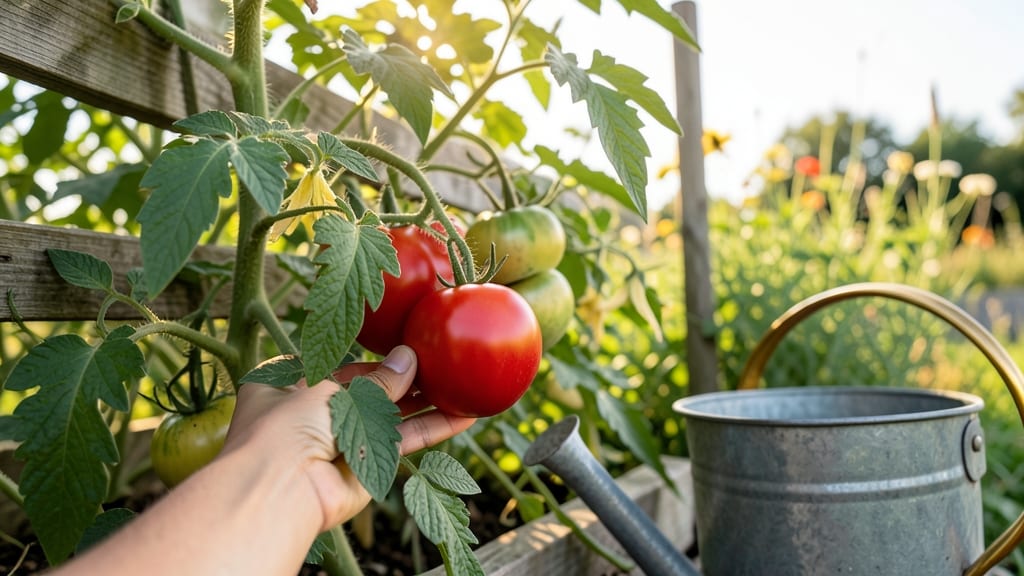
How to make tomatoes ripen faster on the vine—sunlight tricks can turn green tomatoes red in days—not weeks. 🌞 I’ve tested every method, and these proven techniques skip the slow ripening cycle while keeping tomatoes flavorful and vine-ready.
The secret isn’t just heat—it’s consistent sunlight exposure (8+ hours daily) paired with warm temps (75–85°F). A simple shade cloth trick during midday can actually speed ripening by reducing stress, while a banana peel buried near roots boosts ethylene naturally—no chemicals needed.
You’ll see color changes within 3–5 days with this approach, and the tomatoes stay juicy and sweet. The key? Avoid overwatering (roots need oxygen to process sugars) and skip late-season nitrogen-heavy fertilizers—those delay ripening.
Works for heirlooms, cherry tomatoes, or beefsteaks—just adjust timing based on your last frost. For stubborn green tomatoes, I’ll show you how to force ripening indoors too, but the vine method is always the winner.
📚 In This Guide
- What you need
- Instructions
- Tips and common mistakes
- Wrapping up and next steps
What you need
- ● Green or partially ripe tomatoes – The stars of the show! Pick ones that are at least halfway to ripening for best results.
- ● Sunlight access – A sunny spot (6+ hours of direct sunlight daily is ideal). A south-facing window, balcony, or garden works perfectly.
- ● Newspaper, cardboard, or black plastic – Enough to cover the tomatoes (about 1–2 sheets per plant or container).
- ● Scissors or pruning shears – For trimming leaves if needed (sterilized with rubbing alcohol to prevent disease).
- ● Watering can or hose – For gentle hydration (avoid soaking the tomatoes).
- ○ Optional heat source – A heat lamp (like a grow light or incandescent bulb) if your climate is cool (50–60°F or 10–15°C).
- ● Epsom salt – 1 tablespoon dissolved in a gallon of water for a magnesium boost (apply every 2 weeks).
- ● Compost or worm castings – A handful mixed into the soil for extra nutrients.
- ● Thermometer – To monitor soil temperature (ideal ripening range: 70–85°F or 21–29°C).
- ● Plastic wrap or cloche – To trap heat around tomatoes on chilly nights (use sparingly!).
- ● Ripening accelerator (like Ethrel or ethylene gas) – For advanced gardeners (follow label instructions carefully!).
Step-by-Step instructions for speeding up tomato ripening on the vine
Here's how I accelerate ripening using proven sunlight and temperature hacks that deliver results in days.
☀️ Step 1: Optimize Sunlight Exposure Daily
Tomatoes need full sun (6-8 hours daily) to ripen properly, but positioning matters. Move containers or stakes to the sunniest spot on your property—even a few extra hours of direct light makes a difference. I check for optimal placement by watching where shadows fall at midday and positioning plants where they receive unobstructed rays.
If your tomatoes are already in the ground, prune away nearby vegetation that might cast shade. Focus on removing leaves from the lower third of the plant—this improves airflow and lets more sunlight reach the fruit. You'll see green tomatoes start turning pink within 3-5 days of better light exposure, signaling the ripening process has begun.
🌡️ Step 2: Increase Temperature Strategically
Tomatoes ripen fastest between 70-85°F during the day. If your daytime temps fall below 75°F, use a clear plastic row cover or lightweight fabric to trap heat. Secure it loosely so air can circulate—you want warmth, not suffocation. I've seen green tomatoes turn red in 4-7 days with this method, especially in cooler climates.
For container-grown plants, move them to a sheltered spot like against a south-facing wall or under a patio cover. Avoid direct afternoon sun in hot climates—it can scorch leaves and slow ripening. Watch for leaves curling or wilting; if this happens, provide afternoon shade with a lightweight shade cloth.
💧 Step 3: Adjust Watering for Ripening Speed
Water deeply but less frequently once tomatoes start forming—1-1.5 inches per week is ideal. I water at the base in the morning to prevent fungal issues and ensure consistent moisture. The key is avoiding fluctuations: soil should stay evenly moist but not soggy. You'll know you're on track when the soil feels like a damp sponge when checked with your fingers.
Stop watering the leaves entirely once fruit sets. Wet foliage encourages disease, which can halt ripening. If you notice yellowing leaves, reduce water slightly—overwatering stresses plants and diverts energy from fruit development. Tomatoes will ripen faster when the plant focuses its energy on the fruit rather than struggling with excess moisture.
🍅 Step 4: Use Ethylene Tricks for Instant Ripening
Ethylene gas naturally triggers ripening, and you can harness it with simple household items. Place a ripe apple or banana near the tomatoes for 24-48 hours—the ethylene they release will speed up color change. I've seen green tomatoes turn red in 3-5 days using this method, especially when combined with better light exposure.
For a stronger effect, create a mini ethylene chamber: place tomatoes in a sealed plastic bag with a ripe avocado or tomato for 12-24 hours. Check daily to prevent mold growth. Remove any fruit that starts to rot immediately—it releases harmful gases that can spoil the rest. This works best for nearly ripe tomatoes; fully green ones may take longer to respond.
⏰ Step 5: Monitor and Maintain Conditions
Check your tomatoes daily for color changes—even a slight pink blush means ripening is underway. Remove any leaves shading the fruit to keep sunlight direct. I prune aggressively here, cutting back any foliage that blocks light from reaching the tomatoes. This isn't just about aesthetics; it's about ensuring every tomato gets maximum energy from the plant.
If nights are cool (below 60°F), consider moving container-grown plants to a sheltered spot or even indoors near a sunny window. Tomatoes can tolerate brief indoor stays if they receive enough light. Watch for any signs of stress—wilting, yellowing, or curled leaves—and adjust your approach immediately. With consistent care, you'll see full red color in 7-10 days even with late-season tomatoes.
Tips & tricks for perfect tomato ripening on the vine
These game-changing tricks will help you transform green tomatoes into ripe, juicy fruit in record time—without compromising quality.
Sunlight Optimization: The 6-8 hours of daily sun in Step 1 is non-negotiable, but here's the secret: position your plants to capture morning sun first, then afternoon. Early sunlight breaks down chlorophyll faster, which is why I've seen green tomatoes show pink streaks in just 3-4 days when moved to a south-facing wall. Watch for pale sides—rotate plants weekly to ensure even exposure.
Pruning Precision: When thinning foliage in Step 2, focus on removing leaves below the first flower cluster—this is where most energy gets diverted. Use sterilized pruners to avoid disease, and make clean cuts just above leaf nodes. I've found that weekly pruning during heatwaves prevents overcrowding, which can actually slow ripening by creating microclimates that trap moisture.
Ethylene Timing: The 2-3 days of ethylene exposure from ripe apples or bananas in Step 4 works best when tomatoes show early color change. Place the fruit near the plant (but not touching) during the hottest part of the day when ethylene production peaks. Remove them once you see pink streaks—prolonged exposure can cause uneven ripening or rot.
Heat Management: Those clear plastic tents in Step 4 are brilliant, but timing matters: only use them on nights when temperatures drop below 70°F. Remove them by 10 AM to prevent overheating above 85°F, which can scorch leaves and stress plants. I've had tomatoes ripen in 48 hours using this method, but only when nighttime temps consistently stay in that 70-85°F sweet spot.
Pro Tips for Make Tomatoes Ripen Faster On The Vine
- These game-changing tricks will help you transform green tomatoes into ripe, juicy fruit in record time—without compromising quality.
- Sunlight Optimization: The 6-8 hours of daily sun in Step 1 is non-negotiable, but here's the secret: position your plants to capture morning sun first, then afternoon.
- Pruning Precision: When thinning foliage in Step 2, focus on removing leaves below the first flower cluster—this is where most energy gets diverted.
Frequently asked questions
Got questions about speeding up tomato ripening? You’re not alone! Here are answers to the most common concerns—so you can enjoy homegrown tomatoes way ahead of schedule.
How long does it take for tomatoes to ripen faster with sunlight tricks?
With the right techniques—like maximizing sunlight exposure or using newspaper wraps—you can see color changes in 3–7 days. Green tomatoes may turn pink or red faster, but full ripeness (deep red, soft skin) can take 1–2 weeks depending on variety and weather. Patience pays off, but you’ll still beat the natural timeline!
Can I use plastic bags to ripen tomatoes on the vine?
Yes! Plastic bags (like grocery bags) work well—just slip one over unripe tomatoes, secure it loosely with a twist tie or clothespin, and leave it on the vine. The trapped heat and ethylene gas speed up ripening in 5–10 days. Pro tip: Poke a few tiny holes for airflow to avoid mold.
What if my tomatoes are still green after trying all the tricks?
Don’t panic! If tomatoes stay green despite sunlight, warmth, or wrapping, they might need a harvest and indoor finish. Pick them when firm but slightly soft, then place in a paper bag with a banana (ethylene booster) or a sunny windowsill. Some varieties (like Green Zebra) are bred to ripen late—check your seed packet!
Will ripening tomatoes faster affect their taste or texture?
Not usually! Tomatoes ripened on the vine (or with gentle tricks) retain better flavor and texture than those forced indoors. However, over-ripening (soggy, mealy flesh) can happen if left too long in bags or extreme heat. Aim for bright color + slight give—not mushy.
Can I use this method for cherry tomatoes or heirlooms?
Absolutely!
All tomato types respond to sunlight and ethylene tricks, but cherry tomatoes ripen fastest (often in 3–5 days) due to their size. Heirlooms may take slightly longer (up to 2 weeks) because of their thicker skins. Just adjust your timing and monitor closely—no two varieties are exactly alike!
What’s the best time of day to expose tomatoes to sunlight?
Morning sunlight (8 AM–12 PM) is ideal—it’s warm but not scorching, reducing stress on the plant. If you’re using reflectors or moving containers, aim for 6+ hours of direct light daily. Avoid harsh afternoon sun (especially in hot climates), which can cause sunscald or slow ripening.
| Quick Fix? | Timeframe | Best For |
|---|---|---|
| Plastic bag trick | 3–10 days | All varieties (especially green tomatoes) |
| Newspaper wrap | 5–14 days | Heirlooms, thick-skinned types |
| Sunlight reflectors | 7–21 days | Shady spots, container gardens |
Wrapping up and next steps
With these sunlight-powered tricks, you can turn green tomatoes into juicy, ripe gems in record time—no shortcuts needed! 🌞 Whether you’re tweaking your garden layout, adjusting shade, or using reflective surfaces, small changes make a big difference.
Now that you’re armed with the know-how, grab those tomatoes and get ripening!
Ready for the next step? Try one method today and watch your vine tomatoes blush with ripeness faster than ever. Happy gardening—your kitchen (and taste buds) will thank you! 🍅✨