
Aphids
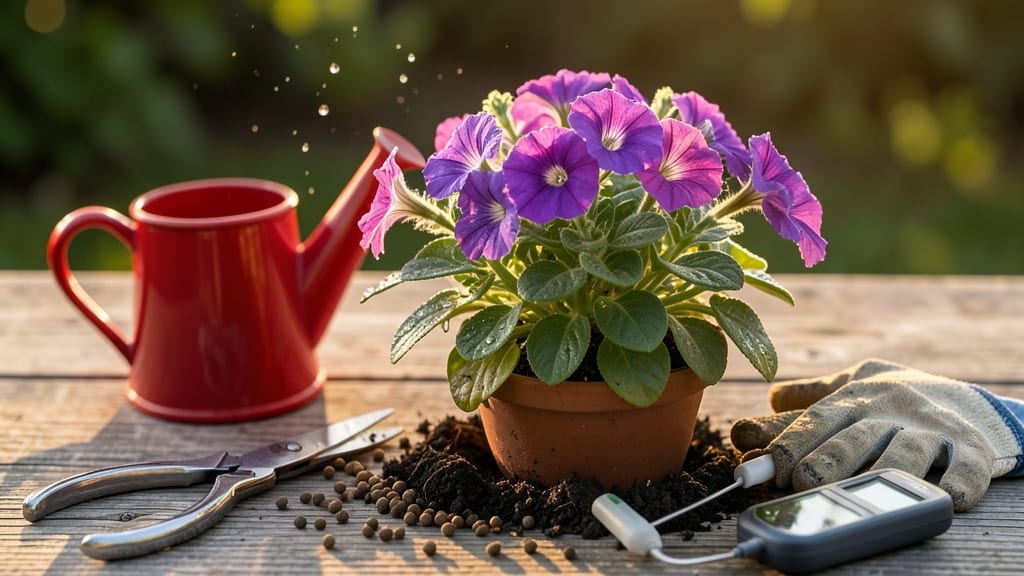
How to maintain petunias lush all season comes down to just three simple tricks. 🌸 I’ve grown them for years, and the difference between a thriving plant and a sad, leggy mess comes down to water, light, and a little pruning know-how—no green thumb required.
Start with morning watering to prevent fungal issues, and deadhead spent blooms weekly to encourage nonstop flowers. Most people skip fertilizing, but a balanced feed every 4-6 weeks keeps them blooming like crazy. The key? Consistency—petunias reward regular care with vibrant, long-lasting color.
By summer’s end, your plants will look like they’re from a nursery, not your backyard. Prune back leggy growth in early spring to encourage bushier habits, and watch them bounce back stronger than ever. The payoff? A border that stays bold and blooming from May until frost.
Works for hanging baskets, containers, or garden beds—just adjust watering based on pot size. Here’s how to keep them thriving without the guesswork.
📚 In This Guide
- What you need
- Instructions
- Tips and common mistakes
- Wrapping up and next steps
What you need
- ● Petunia plants: Start with healthy seedlings or mature plants (6–12 per container or 12–18 per square foot in garden beds). Opt for disease-resistant varieties like 'Wave' or 'Supertunia' for low-maintenance care.
- ● Well-draining potting mix: 1–2 bags (1–2 cubic feet each) of a high-quality mix with perlite or vermiculite (e.g., 'Miracle-Gro Potting Mix'). Avoid garden soil—it compacts and suffocates roots!
- ● Containers or garden space: For containers: 5–10 inch diameter pots with drainage holes (1 plant per 6–8 inches of pot diameter). Hang baskets need extra depth (10+ inches).
- ● For garden beds: Full sun (6+ hours/day) and loose, fertile soil with a pH of 5.8–6.5.
- ● Slow-release fertilizer: 1–2 tablespoons per plant (or follow label instructions) of a balanced 10-10-10 or 14-14-14 formula (e.g., 'Osmocote').
- ● Watering can or hose with a gentle spray nozzle: Aim for even moisture without soggy soil.
- ● Pruning shears: Sharp, clean scissors or small pruners (sterilize with rubbing alcohol between cuts).
- ● Mulch: 1–2 inches of organic mulch (e.g., shredded bark or straw) to retain moisture and suppress weeds.
- ● Liquid fertilizer: A water-soluble bloom booster (e.g., 'Miracle-Gro Bloom Booster') for a mid-season nutrient kick.
- ● Insecticidal soap or neem oil: For aphid or spider mite control (spot-treat as needed).
- ● Gloves: To protect hands from thorns (some varieties) or soil-borne pathogens.
- ● Support stakes or cages: For trailing varieties (e.g., 'Supertunia Silhouette') to prevent flopping.
Step-by-step instructions for maintaining petunias
Here's the simple routine I follow to keep petunias blooming nonstop—no fancy tricks, just consistent care.
💧 Step 1: Water Deeply at the Base Every Morning
Petunias thrive when their roots stay consistently moist but never soggy. Water at the base of each plant for 10-15 seconds until you see moisture reach 2-3 inches deep. I use a watering wand with a gentle spray to avoid disturbing the blooms or soil surface.
Check soil moisture by sticking your finger 1 inch down—if it feels dry, water again. Overhead watering wets the flowers and invites fungal diseases like powdery mildew. Watering in the morning gives petals time to dry before evening humidity sets in.
☀️ Step 2: Provide Bright, Indirect Light and Rotate Weekly
Place your petunias where they get 5-6 hours of morning sun and 2-3 hours of afternoon shade—too much direct afternoon sun scorches delicate petals. A south- or east-facing windowsill or a partially shaded patio works perfectly.
Rotate the pots a quarter turn weekly so all sides get equal light exposure. You'll notice stems leaning toward the light if they're not getting even exposure. If blooms start fading quickly, they're getting too much sun—move them back a few feet.
✂️ Step 3: Deadhead and Prune Weekly for Continuous Blooms
Here's the trick that keeps petunias flowering nonstop: deadhead spent blooms every 3-4 days. Use clean, sharp scissors to snip just above the next set of leaves (about ½ inch below the faded flower). This redirects energy from seed production back into new buds.
When stems get leggy, trim them back by ⅓ to encourage bushier growth. I do this in early afternoon when plants are fully hydrated—it reduces stress and promotes faster regrowth. Always sterilize your pruners with rubbing alcohol between cuts to prevent disease spread.
🌿 Step 4: Feed Every 2 Weeks With Balanced Fertilizer
Use a water-soluble 10-10-10 fertilizer diluted to half-strength every 14 days during the growing season. I mix it directly into my watering can and apply it in the morning when plants are dry. Over-fertilizing causes salt buildup that burns roots—always rinse the soil after feeding.
Switch to a low-nitrogen, high-phosphorus formula (like 5-10-5) when you notice buds forming but not opening. This boosts bloom production without encouraging excessive leafy growth. Withhold fertilizer completely in winter when growth slows.
Tips & tricks for perfect petunia care
Here's what nobody tells you about keeping petunias thriving without the guesswork.
Morning Watering Wisdom: That 10-15 second watering at the base isn't just about quantity—it's about technique. I use a watering wand because it delivers gentle pressure that penetrates the soil without disturbing the delicate root system. If your petunias start wilting between waterings, you might need to extend those 10-15 seconds by 5 seconds, but never let them sit in soggy soil. That's when root rot sneaks in.
Light Exposure Secrets: The 5-6 hours of morning sun is non-negotiable, but here's the trick I learned: if your petunias are getting too much afternoon sun (notice the leaves looking crispy?), move them back 2 feet from the window. I also check for sunburn by looking for white or yellow patches on leaves—those are your warning signs. Rotating weekly keeps stems from leaning dramatically, which makes your plants look lopsided and stressed.
Deadheading Discipline: Those 3-4 days between deadheadings might feel frequent, but it's the key to continuous blooms. I set a phone reminder because I've seen petunias go from vibrant to sad within days when I skip this step. When you're trimming back leggy stems by ⅓, focus on the oldest growth first—this encourages new, bushier growth from the base. And always use clean scissors! I keep a small bottle of rubbing alcohol nearby to sterilize between cuts to prevent bacterial spread.
Fertilizer Finesse: That 10-10-10 fertilizer at half-strength is your baseline, but here's my pro move: I switch to a 5-10-5 formula when buds appear but don't open. This phosphorus boost helps them bloom beautifully. And here's what I do that nobody mentions—after fertilizing, I give the soil a quick rinse with plain water. This prevents salt buildup that can actually burn your petunia roots over time.
Pro Tips for Maintain Petunias
- Here's what nobody tells you about keeping petunias thriving without the guesswork.
- Morning Watering Wisdom: That 10-15 second watering at the base isn't just about quantity—it's about technique.
- I also check for sunburn by looking for white or yellow patches on leaves—those are your warning signs.
Frequently asked questions
Got questions about keeping your petunias thriving? You're not alone! Here are answers to the most common concerns—so you can enjoy those vibrant blooms without the guesswork.
How often should I water petunias?
Petunias need consistent moisture, especially in hot weather. Water them deeply 1-2 times per week (or daily in extreme heat) to encourage strong roots. Avoid overhead watering—use a drip system or water at the base to prevent fungal diseases like powdery mildew.
When is the best time to prune petunias for more flowers?
Prune petunias in the early morning after light dew has dried but before the heat of the day. Trim spent blooms (deadheading) weekly to encourage new growth. For bushier plants, pinch back leggy stems by ⅓ in spring. Never prune more than ⅓ of the plant at once!
What should I do if my petunias have aphids or pests?
Aphids are common but manageable! Spray plants with a soapy water solution (1 tsp mild dish soap per quart of water) or introduce ladybugs (natural predators). For severe infestations, use neem oil or insecticidal soap. Check the undersides of leaves daily—early detection is key!
Can petunias survive winter, or do I need to replant every year?
Most petunias are annuals and won’t survive freezing temps. However, some perennial varieties (like Petunia integrifolia) can overwinter in USDA zones 9-11 with mulch. In colder climates, save seeds or replant fresh starts each spring.
Are petunias toxic to pets or kids?
Petunias are non-toxic to both pets and humans, making them a safe choice for families and gardens with curious cats or dogs. However, ingesting large amounts may cause mild stomach upset—so it’s best to discourage nibbling!
What’s the easiest way to propagate petunias for next year?
Save seeds or take stem cuttings in late summer. Dip cuttings in rooting hormone, plant in moist soil, and cover with a plastic bag to retain humidity. Keep in bright, indirect light until roots form (4-6 weeks). Label your cuttings—varieties don’t always stay true to seed!
Wrapping up and next steps
Maintaining petunias is all about consistency, care, and a little love—and with these three simple tricks, you’re well on your way to a garden bursting with vibrant blooms! 🌸 From proper watering and deadheading to keeping pests at bay, your petunias will thrive with just a few minutes of attention each week.
Now that you’re armed with the know-how, roll up your sleeves and get gardening! Start by checking your plants this weekend—trim those spent blooms, inspect for pests, and give them a deep drink. Your future? A showstopping garden that neighbors will envy!