
Plants
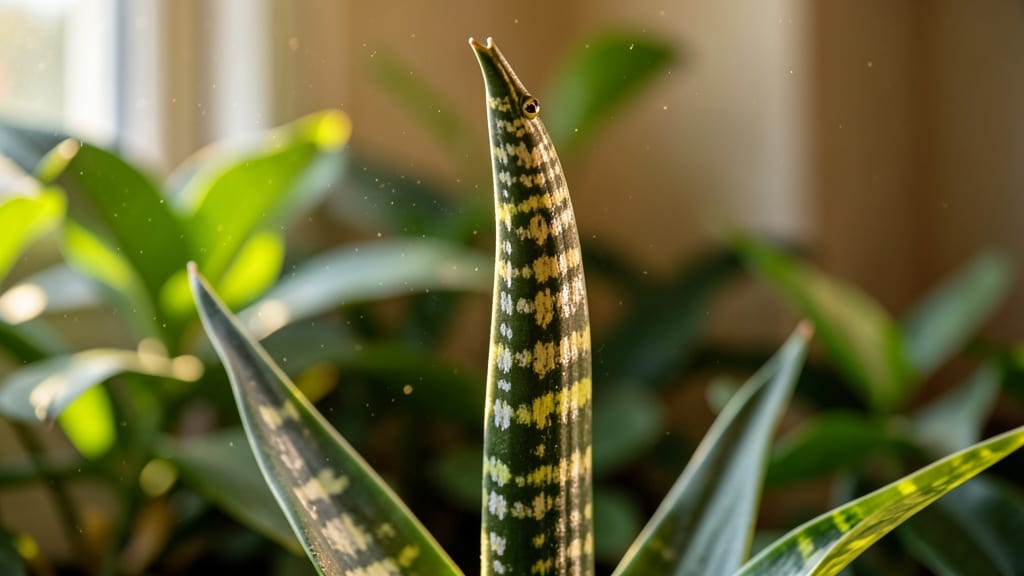
How to make a snake plant grow tall—your secret weapon for sky-high Sansevieria success is just a few tweaks away. 🌿 That stubbornly short Sansevieria isn’t lazy—it’s waiting for the right conditions to stretch toward the sky. The secret? Bright, indirect light (think east-facing windows or 10-12 inches from a grow light) triggers vertical growth hormones, while proper soil and watering unlock its full potential.
Here’s the game-changer: Drought-tolerant soil (cactus/succulent mix) prevents root rot, and watering only when the top 2-3 inches feel bone-dry keeps it growing upward instead of struggling. Prune yellow leaves at the base to redirect energy—your plant will thank you with taller, straighter leaves within 3-6 months.
Add a balanced fertilizer (diluted to half-strength) twice a year for a boost, but skip the heavy hand—snake plants rebel against overwatering faster than they do neglect. The result? Leaves reaching 2-3 feet tall (or taller for mature plants) with that signature architectural shape.
Works for indoor pots, hanging baskets, or even office spaces—just avoid dark corners. Here’s how to keep it thriving year-round without guesswork.
📚 In This Guide
- What you need
- Instructions
- Tips and common mistakes
- Wrapping up and next steps
What you need
- ● Snake Plant (Sansevieria) – Choose a healthy, mature plant (preferably Sansevieria trifasciata or Sansevieria cylindrica for tall growth).
- ● Well-draining potting mix – A blend of cactus/succulent soil (60%) + perlite or pumice (30%) + coconut coir or orchid bark (10%). Total: ~1 gallon per 6-inch pot.
- ● Pot with drainage holes – Terracotta or ceramic (8–12 inches in diameter, depending on plant size). Pro tip: 💡 Use a pot 1–2 inches larger than the root ball to avoid overpotting.
- ● Bright, indirect sunlight – A south- or west-facing window (or a grow light for 12–14 hours/day if natural light is limited).
- ● Watering can with a narrow spout – For precise watering (avoid over-saturating the soil).
- ○ Moisture meter (optional but helpful) – To check soil moisture before watering.
- ● Fertilizer – Balanced liquid fertilizer (10-10-10 or 20-20-20) diluted to half-strength. Use once every 4–6 weeks during spring/summer.
- ● Humidity tray or pebbles – If your home is very dry (snake plants tolerate low humidity but may grow faster with slight moisture).
- ● Support stake or trellis – For Sansevieria cylindrica (bamboo-like varieties) to encourage upward growth.
- ● Pruning shears – To trim yellow or damaged leaves and redirect energy to new growth.
- ● Plant food (worm castings or compost) – Mix 10% into soil for nutrient boost.
Step-by-Step instructions for growing tall snake plants
Here's how I coax snake plants into reaching their full height potential—no shortcuts, just proven techniques.
🌱 Step 1: Choose the Right Plant and Pot
Start with a healthy, mature snake plant (Sansevieria trifasciata) that already shows strong, upright growth. I always select plants with at least 3-4 sturdy leaves—younger plants need time to establish before reaching their full height potential. Use a pot with drainage holes that's only 1-2 inches wider than the plant's root ball to encourage vertical growth rather than sprawling roots.
Terracotta pots work best because they allow excess moisture to evaporate, preventing root rot that can stunt growth. If repotting, choose a container that's no more than 6 inches deep—deeper pots encourage root growth over leaf height. Fill the bottom 1 inch with gritty cactus/succulent mix to improve drainage before adding your standard potting soil.
☀️ Step 2: Position for Maximum Light Exposure
Snake plants grow tallest in bright, indirect light—think east-facing windows or 6-8 feet from a south-facing window. Direct midday sun can scorch leaves, while low light causes leggy, weak stems. You'll see the difference within 4-6 weeks: plants in optimal light develop thicker, upright leaves with vibrant stripes, while underlit plants stretch toward any available light source.
Rotate your plant quarter-turn weekly so all sides receive even light. This prevents leaves from leaning or growing unevenly. If you notice leaves bending toward the light, your plant needs to move closer to the window or you should supplement with a grow light for 12-14 hours daily. Avoid fluorescent bulbs—use full-spectrum LEDs instead.
💧 Step 3: Master the Watering Schedule
Overwatering is the #1 killer of tall snake plants. Let the soil dry out completely between waterings—stick your finger 2 inches deep into the soil. If it feels dry, water thoroughly until water drains from the bottom. If it's still damp, wait another 3-5 days. This "soak and dry" method encourages deep root growth, which supports taller stems.
In winter, reduce watering to every 3-4 weeks—snake plants grow slower in cooler months and store water in their leaves. Yellowing leaves usually mean overwatering, while crispy brown tips signal underwatering. Adjust your schedule based on your home's humidity: dry air means more frequent watering, while humid spaces may need longer drying periods.
✂️ Step 4: Prune and Support Growth Strategically
Remove any yellow or damaged leaves at the base using sterilized scissors, cutting ½ inch above the soil line. This redirects energy to new growth. Never prune more than 20% of the plant at once—snake plants are slow to recover from heavy pruning. After trimming, wipe the leaves with a damp microfiber cloth to remove dust, which blocks light absorption and stunts growth.
For extra height, you can propagate the tallest leaves by cutting them at the base, letting the cut end callus for 1-2 days, then placing it in sphagnum moss until roots form. This ensures you're always growing from your best-performing genetics. Avoid fertilizing new cuttings—they need to focus on rooting before leaf growth.
🪴 Step 5: Fertilize and Repot for Height
Feed your snake plant once every 2-3 months in spring and summer with a balanced, diluted fertilizer (½ strength). I use a 20-20-20 formula but cut the nitrogen slightly for taller growth. Fertilize only when the plant is actively growing—never in winter. Over-fertilizing causes leaf burn and weak stems that can't support height.
Repot every 2-3 years or when roots circle the pot. Choose a container only 2 inches larger in diameter to encourage vertical growth. Gently remove the plant, trim 10% of the oldest roots, and replant in fresh well-draining soil. This refreshes nutrients and prevents root-bound stress, which can limit a snake plant's height potential.
Tips & tricks for perfect snake plant height
Real talk: snake plants are tough, but getting them to grow tall requires precision—not just patience. Here's what nobody tells you about maximizing those sky-high leaves.
Light Exposure Secret: The 4-6 weeks mentioned in Step 2 is when you'll notice the biggest difference in leaf thickness. If your plant isn't growing vertically, check your light source—snake plants in low light stretch toward any available rays, creating weak, spindly stems. Place your plant within 3 feet of an east-facing window for the strongest vertical growth, or supplement with a grow light positioned 12-18 inches above the plant for those 12-14 hours daily. The key is consistent, even light exposure on all sides.
Pot Depth Matters: That 6-inch depth limit in Step 1 isn't arbitrary—deeper pots encourage roots to spread horizontally, which diverts energy away from vertical leaf growth. If you're working with a deeper pot, add a layer of gravel or broken terracotta pieces in the bottom third to force roots upward. This simple hack creates a natural barrier that promotes taller stems while still allowing proper drainage.
Watering Precision: The "2 inches deep" check in Step 3 is your best friend. I learned this the hard way after ruining three plants by watering based on surface dryness. Use a chopstick or clean wooden skewer to check moisture—if it comes out clean, it's time to water. For extra insurance, weigh your pot before and after watering: a mature snake plant typically needs about 1/4 pound of water per watering, depending on pot size. This method eliminates guesswork and prevents both overwatering and underwatering.
Fertilizer Timing: That 2-3 month schedule in Step 5 works, but here's the catch: timing matters more than frequency. Always fertilize in the morning during active growing months (spring and summer). The plant's natural processes will absorb nutrients more efficiently during daylight hours, and you'll see stronger vertical growth within 6-8 weeks. Avoid fertilizing in fall or winter—your plant is dormant and won't benefit from the nutrients.
Pro Tips for Make A Snake Plant Grow Tall
- Real talk: snake plants are tough, but getting them to grow tall requires precision—not just patience.
- Light Exposure Secret: The 4-6 weeks mentioned in Step 2 is when you'll notice the biggest difference in leaf thickness.
- Pot Depth Matters: That 6-inch depth limit in Step 1 isn't arbitrary—deeper pots encourage roots to spread horizontally, which diverts energy away from vertical leaf growth.
Frequently asked questions
Got questions about growing your snake plant tall and lush? You’re not alone! Here are some of the most common queries—and their answers—to help you nurture a towering, healthy snake plant.
Why isn’t my snake plant growing taller?
Snake plants grow slowly, but if yours is barely budging, check its light exposure—it needs bright, indirect light (or direct morning sun) to stretch upward. Overcrowded roots or a small pot can also stunt growth. Repot every 2–3 years and ensure the pot has drainage holes.
How often should I fertilize for taller growth?
Feed your snake plant once every 2–3 months during spring and summer with a balanced, diluted liquid fertilizer (like 10-10-10). Avoid over-fertilizing—it can burn roots and cause leaf yellowing. Skip fertilization in fall/winter when growth slows naturally. Pro tip: Use half the recommended dose for extra safety!
Can I prune my snake plant to encourage height?
Pruning isn’t necessary for height, but you can trim yellow or damaged leaves to redirect energy. Cut leaves at the base with clean scissors, and avoid cutting healthy foliage—this can stress the plant. If your snake plant is leggy, move it to a sunnier spot to promote vertical growth instead.
What’s the best pot size for a tall snake plant?
Start with a pot that’s 2–3 inches larger in diameter than the root ball. Snake plants thrive in snug spaces—too much extra soil can cause root rot. Use a pot with drainage holes, and opt for terracotta or ceramic (they breathe better than plastic). Repot only when roots peek out of the drainage holes!
How do I fix a snake plant that’s leaning or falling over?
Leaning snake plants often need more light—rotate the pot quarter-turns weekly to ensure even growth. If it’s top-heavy, stake tall leaves with a small bamboo stick or trellis for support. Avoid heavy pots, and consider dividing mature plants if they’re overcrowded. Warning: Sudden temperature drops can also cause instability!
Wrapping up and next steps
Growing a tall, thriving snake plant is all about patience, proper care, and a little sunlight magic! 🌿 By mastering the right balance of light exposure, well-draining soil, and occasional pruning, you’ll watch those leaves reach for the sky.
Remember, consistency is key—your plant will reward you with lush, towering growth over time.
Now that you’re armed with these light-exposed growth hacks, why not share your progress with fellow plant lovers? Snap a photo of your snake plant’s new height and tag us—we’d love to see your green success! 📸✨