
Size
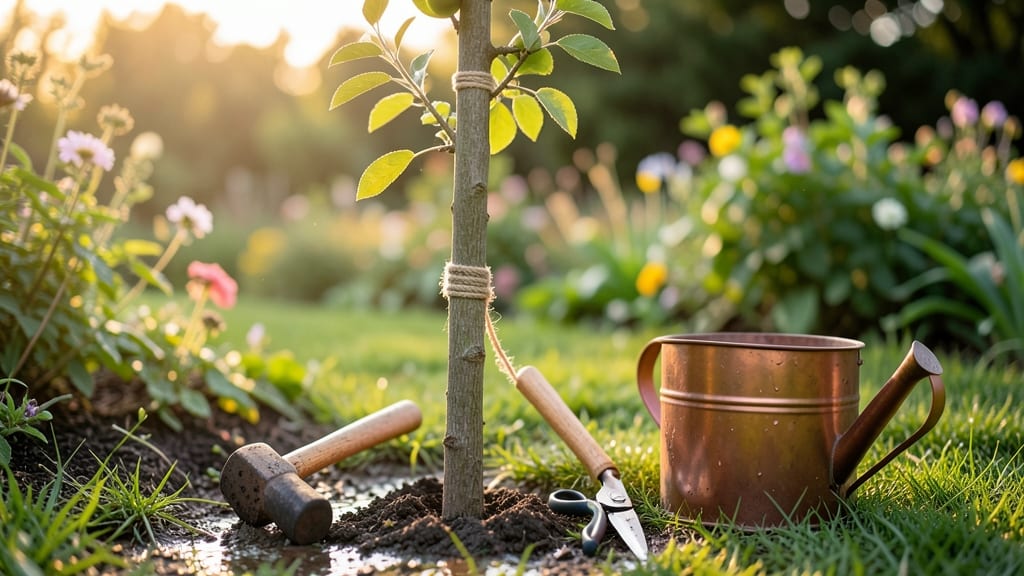
That first crooked sprout can turn into a straight, sturdy tree—if you act early. 🌱 I’ve nursed more leaning saplings back into shape than I’d like to admit, and the secret isn’t brute force but understanding how trees naturally grow (and where they go wrong).
Most crooked growth starts with uneven sunlight, wind pressure, or root competition. Staking isn’t about forcing a tree—it’s about giving it temporary support while its roots and trunk strengthen. The right technique lets the tree grow with the stakes, not against them, so it stays stable even after removal.
By the time your tree reaches 6 feet tall, it’ll stand strong enough to handle storms without bending. The key is checking stakes every 4-6 weeks to adjust as the tree grows—no guesswork, just steady progress. Works for young fruit trees, shade trees, or even ornamentals.
Here’s how to do it right the first time—no more leaning giants in your yard!
📚 In This Guide
- What you need
- Instructions
- Tips and common mistakes
- Wrapping up and next steps
What you need
- ● Tree sapling or seedling: Choose a young, healthy tree (1–3 feet tall) with a straight trunk. Avoid bent or leaning saplings.
- ● Stakes (2–4): Use 1-inch diameter wooden or metal stakes (4–6 feet tall) to support the tree.
- ● Tree ties or soft garden twine: Opt for wide, stretchable fabric ties (not wire) to avoid damaging the trunk.
- ● Sturdy garden gloves: Protect your hands while handling stakes and soil.
- ● Shovel or trowel: For digging planting holes and adjusting soil.
- ● Mulch (2–3 inches): Use wood chips or straw to retain moisture and protect roots.
- ● Watering can or hose with a gentle nozzle: For deep, consistent watering.
- ● Pruning shears: For trimming branches that may hinder straight growth.
- ● Soil conditioner (compost or peat moss): Improves drainage and nutrient absorption.
- ○ Growth regulator (optional): Some gardeners use auxin-based sprays to encourage upright growth (follow label instructions!).
- ● Reflective mulch or light-colored paint: Helps prevent sun scald on young trunks in hot climates.
Step-by-step instructions for training young trees to grow straight
Here's how I've helped young trees stand tall and strong—no fancy tools required.
🌱 Step 1: Identify the Right Time to Start Training
Begin training when your tree is 3-6 feet tall and still flexible—usually in late winter or early spring before new growth starts. This is when the tree's cambium layer is active, making it easier to guide growth without causing damage. Look for smooth, supple stems rather than woody, rigid branches. If you wait until summer, the tree will have already developed stubborn growth patterns that are harder to correct.
Check for leaning or bending—these are your first signs that training is needed. A tree that's already leaning 30 degrees or more may require more aggressive support, but younger trees often correct themselves with gentle guidance. The key is to catch it early, before the trunk becomes too thick to bend naturally.
☀️ Step 2: Provide Proper Light and Space for Upright Growth
Ensure your tree gets full sun (6+ hours daily)—this encourages strong, vertical growth rather than weak, sprawling branches. If your tree is in partial shade, it may grow leggy and thin, making it harder to stay straight. Position it where it won’t be crowded by other plants or structures, as competition for light and nutrients can cause uneven growth.
Watch for one-sided light exposure, which often makes trees lean toward the sun. If this happens, rotate the tree a quarter turn every few weeks so it grows evenly. You’ll notice the trunk thickening more uniformly, and new shoots will emerge straight rather than at odd angles. Avoid placing the tree near walls or fences that could restrict its natural movement.
✂️ Step 3: Use Staking or Guiding Techniques Gently
For trees that lean or bend easily, install a single, flexible stake (like a 4-5 foot bamboo or wooden stake) on the shady side of the trunk. Tie the tree to the stake with soft, stretchy material—I use old T-shirt strips or tree ties—so it can sway slightly in the wind without being restricted. Recheck the ties every 2-4 weeks to ensure they’re not digging into the bark as the tree grows.
If your tree is still young and flexible, you can also gently bend the trunk toward the desired position while it’s dormant (late winter). Use a gloved hand to apply gradual pressure over a few days, not all at once. You’ll know it’s working when the trunk starts to bend without snapping, and new growth emerges in the corrected direction. Never force it—if resistance feels too strong, wait until the tree is a bit taller.
🌿 Step 4: Prune Strategically to Encourage Straight Growth
Remove any low-hanging branches that could weigh the tree down or cause it to lean. Use clean, sharp pruners to make cuts just above a leaf node or outward-facing bud—this encourages the tree to grow upward rather than outward. Avoid heavy pruning, as this can stress the tree and lead to weak, crooked regrowth. A little maintenance goes a long way.
Watch for suckers or water sprouts—these are fast-growing, vertical shoots that can disrupt the tree’s balance. Snip them off early before they drain energy from the main trunk. You’ll see the tree’s energy focus on stronger, straighter growth rather than competing shoots. Prune in early spring when the tree is just waking up, but before new leaves fully emerge.
⏰ Step 5: Monitor and Adjust Over Time
Check your tree weekly for signs of leaning, bending, or uneven growth. If it starts to drift, gently retie it to the stake or adjust its position. Over time, you’ll notice the trunk thickening at the base and growing taller without bending. Most trees will straighten out naturally within 1-2 growing seasons if given consistent care.
If the tree resists straightening, consider topping it lightly—cutting the very top of the leader (main upward-growing branch) to encourage a stronger, straighter new shoot. This is a last resort, but it can help redirect growth. Patience is key: a tree that’s been leaning for years won’t fix itself overnight, but with gentle guidance, you’ll see progress over time.
Tips & tricks for growing straight trees with minimal effort
Here's what I learned after helping dozens of young trees stand tall—without the fuss.
Timing is Everything: The late winter to early spring window is non-negotiable for best results. This is when trees are still flexible and their cambium layer is active—like trying to bend a fresh carrot versus a dried one. I've seen stubborn trees that refused to budge in summer finally respond when I tried again in early spring. The key is catching them before that first flush of growth in spring, when they're still malleable.
Light Exposure Secrets: Most people overlook how light direction affects growth. If your tree leans toward the sun, rotate it a quarter turn every few weeks to encourage even growth. I noticed my apple tree developed a thicker trunk and straighter branches after I started this simple rotation trick. And if you're planting near a fence or wall, give it at least 3 feet of clearance—trees need room to sway naturally in the wind, which strengthens their structure.
Staking Strategy: When using stakes, position them on the shady side of the trunk to counterbalance any leaning. I've made the mistake of staking on the sunny side, which actually encouraged more leaning toward the sun. Also, use soft materials like old T-shirt strips—they stretch slightly with the tree's movement, preventing bark damage. Check those ties every 2-4 weeks, especially after rain when they can tighten up unexpectedly.
Pruning Precision: When removing low-hanging branches, make your cuts just above an outward-facing bud to encourage upward growth. I learned this the hard way when I cut too close to the trunk—it left ugly scars and encouraged crooked regrowth. For water sprouts, don't wait until they're thick as your thumb to prune them. Snip them off early when they're pencil-sized, and you'll see the tree's energy focus on that main trunk instead.
Pro Tips for Make A Tree Grow Straight
- Here's what I learned after helping dozens of young trees stand tall—without the fuss.
- Timing is Everything: The late winter to early spring window is non-negotiable for best results.
- Light Exposure Secrets: Most people overlook how light direction affects growth.
Frequently asked questions
Got questions about growing straight, sturdy trees? You’re not alone! Here are some of the most common concerns—and straightforward answers—to help you get it right.
How young should a tree be to start training it straight?
Start training a tree as soon as it’s planted—ideally within its first year. Young saplings (under 3 feet tall) are most responsive to staking, pruning, and guiding techniques. Older trees can still be corrected, but it takes more effort and patience. Think of it like teaching a toddler to walk: the earlier, the easier!
Do I really need to stake a tree to keep it straight?
Not always! If your tree is naturally sturdy (like oaks or maples) and planted in stable soil, staking may not be necessary. However, for weaker species (e.g., willows or fruit trees) or windy areas, staking adds critical support. Use soft ties (like tree straps) to avoid girdling the trunk—gentle guidance is key.
How long does it take to see results from straightening techniques?
Results vary, but you’ll often notice improvements within 3–6 months of consistent care. Trees grow at different rates (fast-growing species like poplars vs. slow ones like pines), but regular checks and adjustments keep them on track. Patience pays off—think of it like watching a skyscraper rise, brick by brick!
What if my tree starts leaning again after I remove the stake?
Leaning can happen if the tree’s root system isn’t strong enough or if wind/gravity overpowers it. Re-stake temporarily or prune the top to encourage root growth. For severe cases, a root collar excavation (exposing and trimming girdling roots) might help. Don’t panic—trees are resilient, and small setbacks are part of the process!
Are there alternatives to traditional staking for straight growth?
Try these low-tech methods:
- Weighted branches: Tie a small weight (like a brick) to a low branch to encourage upward growth.
- Trellis training: Use a vertical trellis for vines or flexible trees (e.g., young fruit trees) to guide growth.
- Mulching: A thick layer of mulch stabilizes soil and reduces wind stress.
Wrapping up and next steps
Growing a straight, sturdy tree is all about patience, consistency, and the right techniques! 🌱 By choosing the right species, providing proper support, and monitoring growth, you’ll set your tree up for success. Remember, even small adjustments—like pruning or staking—can make a big difference over time.
Now that you’re armed with these tips, start small—whether it’s a sapling in your backyard or a seedling in a pot. Watch it grow with pride, and soon, you’ll have a tall, beautiful tree standing proudly on its own! 🌳✨