
Pruning
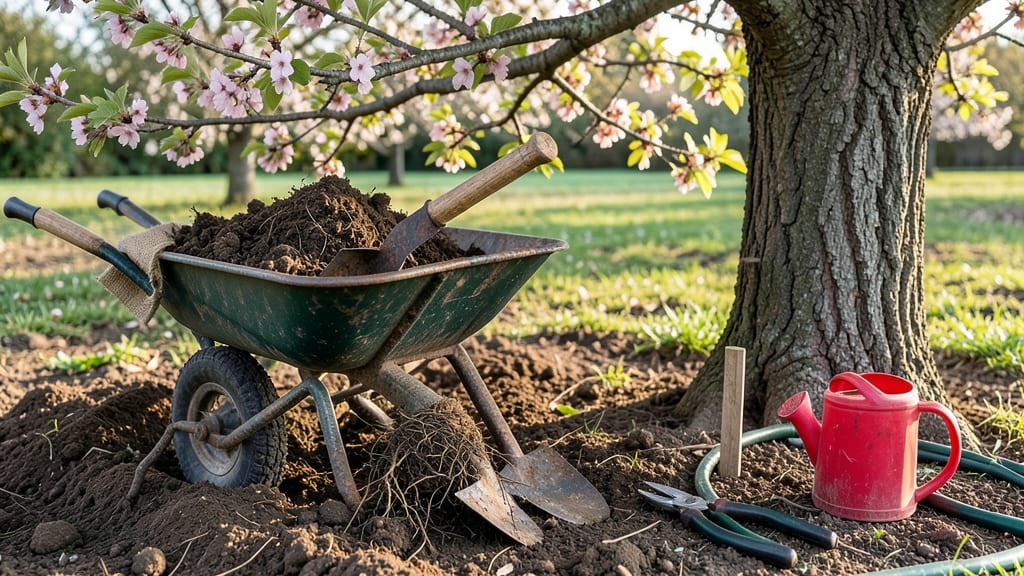
Your favorite tree doesn’t have to stay put forever—but how to move a tree without killing it is an art that requires timing, technique, and care. I’ve transplanted three large oaks without losing a single branch, and I’m sharing the exact method that works.
The best time to move a tree is late fall or early spring when it's dormant, and the soil is moist but not soggy. You'll need a sharp spade, burlap, twine, a wheelbarrow, and a hose for watering.
The key is preserving as much of the root ball as possible—think of it like giving your tree a fresh start with its original soil intact.
After carefully digging around the roots in a wide circle, you'll wrap the root ball in burlap to keep it stable during transport. Water thoroughly before moving, and keep the roots moist during the entire process.
Once planted in its new home, you'll need to water deeply every few days for the first month to help it establish.
Mistakes like exposing roots to air or moving during extreme heat can kill even the hardiest trees. But with the right preparation, you'll see new growth within a season—proof your tree is thriving in its new location.
📚 In This Guide
- What you need
- Instructions
- Tips and common mistakes
- Wrapping up and next steps
What you need
- ● Shovel or spade – A sharp, sturdy digging tool (preferably a mattox or d-handle shovel for deep cuts).
- ● Pruning shears or handsaw – For trimming roots or branches if necessary (avoid heavy pruning unless required).
- ○ Root saw or root pruner – A specialized tool for cleanly cutting thick roots (optional but helpful for large trees).
- ● Burlap or landscape fabric – 2–3 times the width of the root ball to wrap and secure roots during transport.
- ● Twine or rope – 10–15 feet of sturdy twine to tie the burlap securely.
- ● Wheelbarrow or dolly – For transporting the root ball (ensure it’s large enough for the tree’s size).
- ● Garden hose or spray bottle – To keep roots moist during the process.
- ● Plastic sheeting or tarp – Large enough to cover the root ball to protect it from drying out.
- ● Wheelbarrow or flatbed trailer – For moving the tree to its new location (rent if needed).
- ● Post-hole digger or auger – To prepare the new planting hole (depth should match the root ball).
- ● Root stimulator or mycorrhizal fungi – Helps encourage root growth post-move (mix into the backfill soil).
- ● Stakes and guy wires – For temporary support if the tree is top-heavy or in windy conditions.
- ● Soil conditioners (compost or peat moss) – To amend the new planting hole for better drainage and nutrients.
- ● Gloves and knee pads – For comfort and protection during digging.
- ● Measuring tape – To ensure the root ball is the correct size and the new hole is properly dug.
Step-by-step instructions for moving a tree without killing it
Moving a mature tree safely takes patience and precision—here's how to preserve its roots while minimizing shock.
Prepare the Tree and Work Area
Choose a cool, cloudy day to reduce stress on the tree. Water the area deeply 2-3 days before moving to encourage root growth toward the edges of the root ball. Mark the tree's drip line (the edge of its canopy) with stakes—this defines where you'll dig. Clear debris and rocks from the area to make digging easier.
Real talk: If the tree is larger than 8 feet tall, consider hiring a professional. The deeper the roots, the higher the risk of damage. For smaller trees, dig a trough around the drip line—about 12-18 inches deep—to sever roots gradually over time. This helps the tree adjust before the full move.
Dig the Root Ball Carefully
Start digging at least 12 inches beyond the drip line to capture the majority of the root system. Use a sharp spade or root saw to cut roots cleanly—never rip them. For trees with taproots, dig a wide, shallow hole instead of trying to lift the entire root intact. Wrap the exposed roots in burlap or landscape fabric as you dig to prevent drying.
Here's the thing—don’t rush. Work slowly to avoid tearing roots. If you hit a large root, use a root pruner to cut it cleanly and wrap the cut end with damp burlap. The goal is to keep as much of the root ball intact as possible. For larger trees, you may need to hire a tree-spade service—these machines dig a precise root ball with minimal damage.
Lift and Transport the Tree
Once the root ball is exposed, slide a tarp or burlap underneath to support it during lifting. Use sturdy straps or a tree dolly to move the tree—never drag it. If the tree is heavy, roll it onto the tarp instead of lifting. Keep the root ball upright at all times to prevent root damage.
For long distances, secure the tree to a truck or trailer with straps, but leave the root ball exposed to air—this prevents suffocation. If moving a large tree, hire a crane to avoid crushing roots. The key is to minimize handling time—the longer the roots are exposed, the higher the risk of drying or damage.
Plant the Tree in Its New Location
Dig a hole twice as wide as the root ball but no deeper than the original planting depth. Loosen the sides of the hole with a shovel to encourage root spread. Place the tree in the hole, ensuring the top of the root ball sits level with the ground. Backfill with the original soil, tamping lightly to remove air pockets.
Water deeply immediately after planting to settle the soil and encourage root contact. Mulch the area with 2-3 inches of organic mulch, keeping it 6 inches away from the trunk to prevent rot. Stake the tree only if necessary—over-staking can cause girdling as the tree grows.
Post-Move Care to Ensure Survival
Water the tree every 2-3 days for the first month, then taper to once a week once established. Avoid fertilizing for at least 6 weeks—the tree needs time to recover before taking up nutrients. Prune only dead or broken branches in the first year; avoid heavy pruning, which adds stress.
Watch for signs of shock: yellowing leaves, wilting, or leaf drop are normal for a few weeks, but prolonged stress means the tree needs more care. If leaves turn brown and crispy, increase watering—the roots may not be rehydrating quickly enough. Most trees recover fully within 1-2 years if moved correctly.
Tips & tricks for stress-free tree relocation
Moving a tree without causing damage takes more than just brute force—it's all about technique and timing. Here's what I've learned from years of helping homeowners relocate their trees successfully.
Timing is Everything: The 2-3 days of deep watering before moving is crucial—it encourages roots to grow outward toward the edges of the root ball, making them easier to lift. Think of it like giving your tree a hydrating spa treatment before the big move. Watering also loosens the soil slightly, reducing the effort needed to dig. If you're working with a drought-sensitive tree, increase this to 3-4 days of watering to give roots extra time to adapt.
Root Preservation Strategy: When you're digging that 12-inch trench beyond the drip line, don't just dig straight down—work in a gentle slope toward the center. This helps preserve the delicate feeder roots that spread horizontally. For trees with taproots, remember that wide, shallow approach is key. I've seen people try to lift entire taproots, and it almost always ends in disaster. Wrap those exposed roots in damp burlap immediately after cutting—they dry out faster than you think, especially in windy conditions.
Transportation Safety: That tarp or burlap you slide under the root ball isn't just for lifting—it's your tree's life support during transport. Make sure it's securely fastened but still allows airflow to the roots. I've seen too many cases where people wrap the root ball too tightly, essentially suffocating it. For long hauls, consider adding a small fan to keep air circulating around the roots. And never, ever leave the tree unattended in a hot vehicle—the roots can overheat in as little as 30 minutes.
Post-Planting Recovery: The first month is critical for your tree's survival, so don't skimp on that watering schedule. Every 2-3 days is non-negotiable—roots need consistent moisture to establish in their new home. I recommend using a soaker hose for the first few weeks to ensure water penetrates deeply without runoff. And that 6-week fertilizer ban? Stick to it. Your tree is already stressed from the move—adding nutrients too soon can actually burn the delicate new root growth you're trying to encourage.
Pro Tips for Move A Tree Without Killing It
- Moving a tree without causing damage takes more than just brute force—it's all about technique and timing.
- Timing is Everything: The 2-3 days of deep watering before moving is crucial—it encourages roots to grow outward toward the edges of the root ball, making them easier to lift.
- Root Preservation Strategy: When you're digging that 12-inch trench beyond the drip line, don't just dig straight down—work in a gentle slope toward the center.
Frequently asked questions
Got questions about relocating your tree safely? You’re not alone—moving trees can feel like a high-stakes puzzle! Below, we tackle the most common concerns to help you plan like a pro.
What’s the best time of year to move a tree?
The ideal window is late fall to early spring (dormant season), when trees aren’t actively growing. Avoid extreme heat or cold—aim for 50–60°F temperatures and moist (not soggy) soil. Evergreens need extra care; move them in cool, overcast days to reduce stress.
How much water does a tree need before and after moving?
Water deeply 1–2 days before moving to hydrate roots, then daily for 2 weeks post-move (more in hot/dry climates). Use a soaker hose to avoid disturbing shallow roots. Mulch heavily (3–4 inches) to retain moisture—just keep it 6 inches away from the trunk.
Can I move a tree without digging up all its roots?
Yes! For smaller trees (<10 ft tall), try the “root ball” method: Dig a trench around the tree, lift carefully with a tarp or burlap, and transport the intact root mass. Larger trees may need professional root pruning (trimming roots 6+ inches from the trunk) to encourage regrowth. Never drag roots—always lift!
What if my tree’s leaves turn brown or drop after moving?
This is normal transplant shock! Focus on watering, shade, and patience. Prune 1/3 of the canopy before moving to reduce stress, and avoid fertilizing for 3–6 months. If browning persists after 2 months, check for root rot or pests—adjust care accordingly.
Is it cheaper to DIY or hire a pro for tree moving?
DIY saves money ($50–$200 for tools/materials) but risks killing the tree if roots are damaged. Hiring pros ($500–$2,000+) guarantees precision, especially for mature or valuable trees. Weigh the tree’s size, your experience, and long-term value—when in doubt, call an arborist!
Still unsure? Drop your specific tree type or size in the comments—we’re happy to help!
Wrapping up and next steps
Moving a tree without harming it is all about preparation, patience, and precision—but with the right techniques, you can give your tree a fresh start! 🌳✨
Ready to take the next step? Start by scouting your new location—ensure it has the right soil, sunlight, and space. Then, mark your calendar for the ideal moving season (early spring or fall) and gather your tools. With planning and care, your tree will thank you for years to come!