
Pests
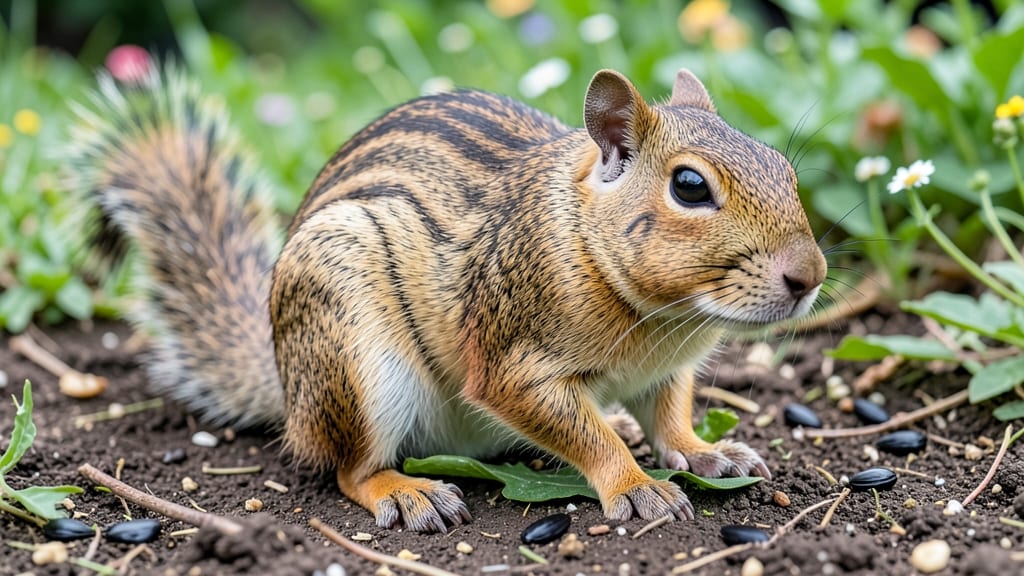
How to get ground squirrels out of your yard without poison or harmful traps? 🌱 I’ve spent years testing humane methods—just solutions that work without guilt. The key is understanding their habits (they love burrows, seeds, and easy access) and cutting off their incentives before they move in permanently.
Start with exclusion: block burrow entrances with hardware cloth, seal gaps around sheds or decks, and secure compost bins with tight lids. Natural repellents like castor oil spray or predator urine (fox or coyote) can deter them without chemicals.
I’ve seen squirrels abandon yards within 3-5 days of consistent repellent use.
For relocation, live traps work best—check local laws first, as some areas require permits. Release them at least 2 miles away in suitable habitat (open fields with sparse vegetation). The goal isn’t just removal but making your yard less appealing than the next one over.
Prevention is simpler than cleanup: remove food sources (birdseed, fallen fruit), mow grass short around edges, and install motion-activated sprinklers. These squirrels won’t stick around if they don’t find what they want.
Root Causes of Squirrel Invasions
Ground squirrels don’t just wander into your yard by accident—they’re drawn in by a mix of survival instincts, environmental changes, and human-made opportunities. Understanding these triggers is the first step to outsmarting them. Here’s why they’re suddenly digging up your lawn, munching on plants, and making themselves at home.
Ground squirrels are opportunistic omnivores, meaning they’ll eat almost anything—seeds, fruits, vegetables, insects, and even small animals. If your yard offers an all-you-can-eat spread, they’ll stick around. Here’s what’s on their menu:
- Mature gardens: Squirrels love ripe tomatoes, peppers, berries, and corn. Even fallen fruit from trees becomes a feast. Pro tip: Harvest crops promptly and remove plant debris to reduce temptation.
- Birdseed & pet food: Leaving bird feeders or pet bowls outside is like hanging a "Dine Here" sign. Squirrels will raid them, contaminating food with urine and feces.
- Lawn grubs & insects: Aerating your lawn? You might be inviting a squirrel buffet. They dig to snack on grubs, earthworms, and beetle larvae—so your "fix" becomes their treat.
Science note: Squirrels cache food for winter, so if they’re stockpiling in your yard, they’re planning to return. Removing food sources disrupts their survival strategy.
Ground squirrels need safe, undisturbed dens to raise their young (called "kits") and escape predators. Your yard might unknowingly offer the perfect real estate:
- Open soil & loose mulch: They burrow 2–3 feet deep, preferring soft, sandy, or clay soil. Overwatered lawns or freshly tilled garden beds are prime digging spots.
- Rock piles & debris: Squirrels nest under rocks, wood piles, or dense shrubs. Even a single unsecured garden stone can become a cozy hideout.
- Structural gaps: Cracks in foundations, gaps under decks, or spaces in fences provide easy access to shelter. They’ll squeeze through holes as small as 2 inches wide.
Did you know? A single female squirrel can dig 5–10 burrows in a season, each with multiple escape tunnels. If you’ve spotted mounds of fresh dirt, they’re actively expanding their "apartment complex."
As natural habitats shrink due to development, squirrels displace into suburban areas where food and shelter are plentiful. Here’s how urbanization plays a role:
- Loss of prairie/grassland: Ground squirrels (like the thirteen-lined or Botta’s species) evolved in open fields. When these areas vanish, they move to yards, parks, and golf courses.
- Water sources: Ponds, birdbaths, or even leaky sprinklers attract squirrels—and their prey (like insects). More water = more activity.
- Lack of predators: In the wild, foxes, coyotes, and birds of prey keep squirrel populations in check. In suburbs, these predators are rare, so squirrels reproduce unchecked.
Regional hotspots: Areas with arid climates (like the Southwest U.S.) or prairie states (e.g., Nebraska, Kansas) see higher squirrel activity due to their natural habitat overlap.
Squirrels are highly sensitive to weather changes, and their behavior shifts with the seasons:
| Season | Why Squirrels Invade | What They’re Doing |
|---|---|---|
| Spring | Warmer soil = easier digging | Preparing nests, caching food, and mating. Look for fresh burrow activity. |
| Summer | Drought forces them to seek moisture | Raiding gardens for water-rich veggies (like cucumbers) and digging near irrigation lines. |
| Fall | Food scarcity triggers caching | Stockpiling acorns, seeds, and bulbs in your yard for winter. This is peak invasion season! |
| Winter | Snow covers natural food sources | Relying on cached food in your yard, even under snow. They may chew bark or dig through insulation to stay warm. |
Pro tip: 🌡️ If you notice squirrels in late summer, act fast—they’re preparing for winter and won’t leave easily once they’ve staked their claim.
Even well-meaning actions can attract squirrels. Common mistakes include:
- Overwatering lawns: Squirrels dig in damp soil, and soggy patches invite burrowing. Let grass dry between waterings.
- Compost piles: A compost heap is a squirrel’s dream—warm, moist, and full of scraps. Keep it sealed or elevated.
- Ignoring pet waste: Dog or cat feces can attract insects, which in turn draw squirrels hunting for a snack.
- Leaving tools/garden equipment outside: Squirrels nest in wheelbarrows, sheds, and even old boots. Store items in metal containers.
Remember: Squirrels are not picky. If your yard offers even one of these resources, they’ll consider it home.
Practical Ways to Remove Squirrels
Ground squirrels may be cute, but they can wreak havoc on your yard, garden, and even your home’s foundation. The good news? There are effective, humane, and practical solutions to evict them for good. Below, we’ve mapped common causes to the best fixes—plus prevention tips to keep them from returning.
If squirrels are drawn to your yard because of food or hiding spots, eliminate the appeal and they’ll move on.
🍽️ Block Food Sources
Ground squirrels love seeds, nuts, fruits, and even pet food. Cut off their supply with these steps:
- Secure trash cans with bungee cords or heavy lids—squirrels are expert climbers and can pry off loose lids.
- Clean up fallen fruit (especially from apple, pear, or citrus trees) and remove overripe produce from gardens.
- Store pet food indoors or use elevated feeders with squirrel-proof lids.
- Avoid scattering birdseed—opt for tube feeders instead, or use squirrel-resistant formulas.
🏡 Seal Entry Points
Squirrels dig burrows near structures for shelter. Block access points before they settle in:
- Inspect your yard for fresh mounds of dirt (burrow entrances) and mark their locations.
- Use hardware cloth (not chicken wire!) to cover burrow holes—dig a trench, lay a 2-foot square of ¼-inch mesh, then cover with soil.
- Seal gaps around sheds, decks, and foundations with steel wool or caulk—squirrels can squeeze through tiny spaces.
- Trim vegetation near your home to remove climbing paths.
If squirrels are already nesting, humane trapping and relocation are the most effective long-term solutions.
🔥 Choose the Right Trap
Not all traps work for ground squirrels—live traps are safest and most effective: - Box traps (Havahart-style) work best for ground squirrels.
Bait with sunflower seeds, peanuts, or almonds. - Set traps near burrows or along their travel paths (look for dirt tunnels or chewed plants). - Check traps frequently (every 2–4 hours) to avoid stressing the squirrel. Release them immediately in a suitable habitat (see below).
🚛 Relocate Them Properly
Never just "drop them off" somewhere nearby—they’ll return! Follow these guidelines:
- Release squirrels in a rural area at least 2 miles away from your home, preferably near natural brush or fields.
- Do it at dusk when they’re most active and less likely to wander back.
- Avoid national parks or protected areas—check local laws first.
- If you’re unsure, contact a wildlife rehabilitator—they can help with legal and ethical relocation.
⚠️ Pro Tip: Some states prohibit relocating wildlife—always check local regulations before trapping!
If squirrels keep coming back, deter them with natural repellents and landscape tweaks.
🌿 Use Natural Repellents Squirrels dislike strong smells and tastes.
Try these non-toxic options: - Spray vinegar or peppermint oil around burrows and entry points (reapply after rain). - Plant squirrel-repelling herbs like mint, rosemary, or daffodils near problem areas. - Use commercial repellents (like Squirrel Stop)—these contain capsaicin (the compound that makes peppers spicy).
🌡️ Disrupt Their Comfort
Squirrels avoid open, noisy, or uncomfortable spaces. Make your yard less appealing:
- Install motion-activated sprinklers (like ScareCrow)—sudden water sprays startle them away.
- Use ultrasonic repellents (like Neatmaster)—these emit high-frequency sounds that annoy squirrels but are harmless to humans and pets.
- Keep grass short—tall grass provides cover, so mow regularly in high-traffic areas.
Once you’ve removed the squirrels, take steps to prevent future invasions:
| Prevention Step | How to Do It |
|---|---|
| Eliminate water sources | Fix leaky hoses, remove standing water, and keep birdbaths clean. |
| Store firewood away | Keep wood piles at least 20 feet from your home and elevate them off the ground. |
| Inspect regularly | Check for new burrows or chewed plants every few weeks in spring/summer. |
| Use squirrel-proof fencing | Bury fencing 12 inches deep and angle it outward to prevent digging. |
| Encourage natural predators | Attract owls or snakes (who eat squirrels) by leaving brush piles or installing owl boxes. |
- Be patient—it can take 1–2 weeks to see results after trapping or deterrents.
- Work at night—squirrels are most active at dawn and dusk, making it easier to spot and trap them.
- Combine methods for best results (e.g., trap + repellent + habitat modification).
- Avoid poisons—they’re inhumane, illegal in many areas, and can harm pets and wildlife.
By addressing food, shelter, and entry points, you’ll make your yard less appealing to ground squirrels—and keep them out for good! 🚫🐿️
Frequently asked questions
Are ground squirrels dangerous to have in my yard?
They’re not aggressive, but they can cause damage by digging up lawns, chewing plants, and contaminating food with urine and feces. Their burrows may also weaken foundations or damage irrigation systems. The real risk is to your garden—squirrels will eat young seedlings, bulbs, and stored produce, costing you time and money to replace.
How long does it take to get rid of ground squirrels?
With consistent methods, you’ll see results in 3-5 days for deterrents like repellents or motion sprinklers. Trapping and relocation may take 1-2 weeks depending on how many squirrels are present and how quickly they’re removed. Prevention (sealing entry points, removing food sources) is the fastest long-term solution.
Can I use poison to kill ground squirrels?
No, poisons are inhumane and often illegal in residential areas. They can also harm pets, wildlife, and even children. Plus, squirrels may die in burrows, creating odor problems and attracting flies. Humane methods like trapping or repellents work just as effectively without these risks.
What’s the best time of day to set traps?
Set traps in the early morning (before 8 AM) or late afternoon (after 4 PM) when squirrels are most active foraging. Check them every 2-4 hours—don’t leave trapped squirrels overnight. If you’re trapping at night, use a trap with a secure latch to prevent escapes.
Will my neighbor’s squirrels keep coming back?
Yes, if your neighbor isn’t addressing their squirrel problem too. Work with them to coordinate trapping or repellents. If that’s not possible, focus on making your yard less appealing than theirs—remove food sources, seal entry points, and use deterrents. Squirrels will naturally move to the easier option.