How To
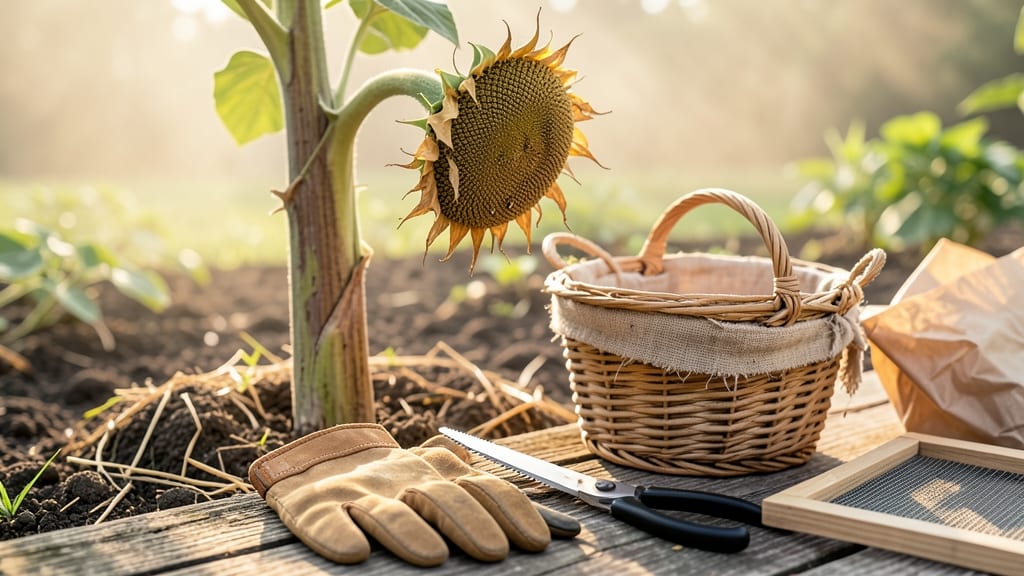
How to know when sunflower seeds are ready to harvest can save you from bitter disappointment—or wasted effort. That perfect moment arrives when the seed head turns golden-brown and the stems begin to dry, but many gardeners miss these subtle cues by days.
I’ve learned the hard way that harvesting too early means shriveled, flavorless seeds, while waiting too long risks losing them to birds or damp weather. The key is spotting three simple visual signs that tell you it’s time to act—no guesswork required.
In this guide, I’ll walk you through the exact steps to check seed ripeness, including the finger-press test that experts swear by. You’ll also discover how to time your harvest with your local climate and avoid common mistakes that ruin seeds before they even make it to your kitchen.
Whether you’re growing sunflowers for bird feed or homemade snacks, mastering these tricks ensures a bountiful harvest every season. Let’s get started—your future seed stash depends on it!
3 Visual signs sunflower seeds are ready for harvest
Sunflowers are generous plants, but timing your harvest is everything. The perfect window is short—just 1-2 weeks—so knowing the visual cues saves you from empty seed heads or spoiled kernels. I’ve harvested hundreds of sunflowers, and these three signs never fail me.
First, watch the back of the seed head. When it shifts from green to yellow-brown, that’s your first clue. This color change signals the plant is redirecting energy to seed maturation. Don’t wait for the entire head to turn brown—by then, seeds may shrivel or attract pests.
Next, check the seed head’s texture. Run your fingers over the outer bracts (those papery layers). If they feel dry and papery—like crumpling tissue paper—seeds are ready.
If they’re still slightly green or leathery, give them another 5-7 days. This test is foolproof for dwarf varieties like ‘Teddy Bear’ and tall giants alike.
🌻 3 Key Visual Cues for Ready Sunflower Seeds
- 🟡 Back turns yellow-brown: Signals seed maturation (not full brown yet!).
- 📄 Papery, dry bracts: Outer layers crumple easily—like tissue paper.
- 🍂 Brown, brittle stems: Lower stem turns woody; shake test confirms dry seeds.
⏰ Pro Tip: Harvest in dry, sunny weather to prevent mold. Morning is ideal!
The third sign is the stem’s condition. When the lower stem turns brown and brittle, it’s time to act. Gently grasp the stem near the base—if it snaps easily (not cleanly), seeds are ready. This dryness also helps seeds detach cleanly from the head during harvest.
But here’s where many gardeners go wrong: they wait until the entire head is brown. By then, seeds may shrink or sprout inside the head. I’ve seen ‘Mammoth’ sunflowers lose 30% of their seeds this way. The yellow-brown back is your golden ticket to plump, flavorful kernels.
Seasonal timing matters too. In USDA Zone 6a, I harvest seeds between late August and early September. If you’re in a warmer zone (8a+), seeds may ripen earlier—sometimes as early as July. Always track your planting date; most varieties take 70-120 days to maturity.
One trick I swear by? The shake test. Hold the seed head over a white bucket or paper bag and give it a firm shake. If seeds rattle loudly and a few drop out, they’re ready.
If nothing falls, wait 3-5 more days. This method works even for giant varieties like ‘Russian Giant’ that can weigh 20+ pounds!
Finally, observe the leaves. When they yellow and crisp—especially the lower ones—it’s another sign. The plant is senescing (its natural shutdown process), and all energy is focused on the seeds. If leaves stay green and lush, your seeds aren’t ready yet.
Remember: Harvest on a dry day to avoid mold. Cut the head 2-3 inches above the base, then hang it upside down in a dry, dark place for 1-2 weeks to fully dry.
Store seeds in airtight containers in a cool, dark spot for up to 2 years. Now you’re ready to save seeds or roast them fresh!
3 Visual signs sunflower seeds are ready for harvest
Sunflowers give you clear visual cues when their seeds are ready—you just need to know what to look for. The perfect harvest window is brief, so spotting these three signs will help you avoid bitter, underdeveloped seeds or waiting too long for the heads to crack open naturally.
First, check the back of the seed head. When it turns from green to golden-yellow, that’s your first green light. This color change signals the seeds are maturing inside. Next, observe the outer petals and bracts—they’ll start drying out and turning brown, almost like crispy paper.
- Back of Head Turns Yellow
- Seed Head Feels Dry and Papery
- Stem and Leaves Brown and Crisp
Don’t overlook the stem condition—a brown, woody stem means the plant is redirecting energy to seed maturation. If you see spider webs or pests on the head, harvest immediately to prevent seed damage. Pro tip: Shake the head gently—if seeds rattle loudly inside, they’re ready to pick!
Timing matters too. Most sunflower varieties take 70-120 days to mature, but dwarf varieties (like ‘Teddy Bear’) ripen faster. If you’re in a shorter growing season, prioritize early-maturing types to avoid frost risks.
Once you spot these signs, act quickly! Seeds left too long on the plant may crack open or attract squirrels. Cut the head with 2-3 feet of stem attached, then hang it upside down in a dry, dark place for 2-4 weeks to fully dry.
Missed the window? No problem. Even if seeds sprout in their heads, you can replant them—they’re hardy and resilient. Just store them in a cool, dry place until next spring. Happy harvesting! 🌻