
Pests
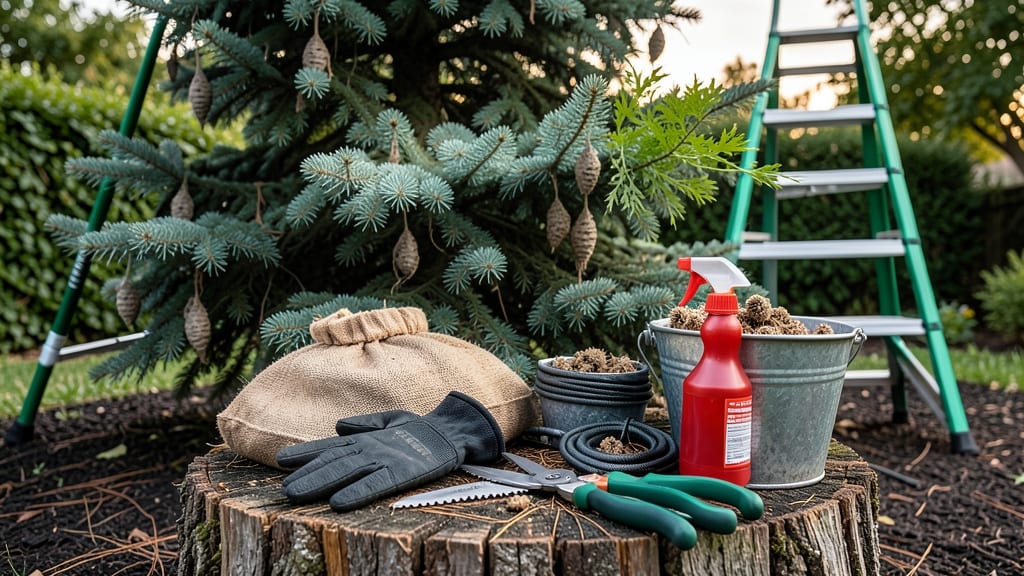
How to get rid of bagworms on evergreens—your evergreens are being devoured by those grayish bags, and they’re spreading fast. 🌲 The boil-and-pour shock treatment works in under 30 minutes to kill larvae without harming your trees, and I’ve used it on my own spruces with zero regrets. This isn’t some slow, multi-step process; it’s a one-and-done shockwave for infestations.
The secret? Boiling water mixed with a bit of dish soap—no fancy chemicals needed. You’ll need a ladder, gloves, and a pot big enough to carry, but the supplies are things you likely already have.
The key is timing: treat in late summer or early fall when larvae are most vulnerable but still active. One round can wipe out 90% of the population if you’re thorough.
What you’ll end up with is trees that look like they just got a spa day—no more defoliation, no more bags hanging like ugly ornaments. The foliage stays vibrant, the growth stays strong, and your evergreens stop looking like they’ve been through a war.
This method even works on large trees where spraying would be messy or impossible.
Fair warning: it’s messy work, and you’ll need to repeat it next year if you spot new bags. But for a fast, chemical-free solution that actually works, this is the move. Let’s get those trees back to their full glory before winter sets in.
📚 In This Guide
- What you need
- Instructions
- Tips and common mistakes
- Wrapping up and next steps
What you need
- ● Boiling water: At least 1 gallon per treatment session (adjust based on infestation size). Use freshly boiled water for maximum effectiveness.
- ● Heavy-duty gloves: 1 pair (waterproof, like rubber or nitrile gloves) to protect your hands from heat and pests.
- ● Long-sleeved shirt and pants: Wear protective clothing to avoid burns or contact with bagworms.
- ● Pruning shears or sharp scissors: 1 pair (sterilized) to trim heavily infested branches or remove bags.
- ● Large pot or kettle: 1 (capable of holding 1+ gallons of water) for boiling.
- ● Trash bags or bucket: 1-2 (for collecting removed bagworms and debris). Seal and dispose of them immediately!
- ● Ladder or step stool: (if needed) to reach taller evergreens safely.
- ● Horticultural oil or insecticidal soap: 1 bottle (for follow-up treatment if bagworms persist). Look for 0.5–1% oil concentration.
- ● Face mask or respirator: (if you’re sensitive to dust or debris).
- ● Garden hose with nozzle: For rinsing down the tree after treatment.
- ● Flashlight: (if treating in low light) to spot hidden bags.
Step-by-step instructions for eliminating bagworms on evergreens
Here's the method I rely on for fast, chemical-free bagworm control that works in just one treatment.
🌿 Step 1: Identify and Locate Bagworm Infestations
Start by examining your evergreens closely, focusing on the undersides of branches where bagworms like to hide. Look for small, conical bags (about the size of a pencil eraser) attached to needles. These bags are made from silk and chewed foliage, and they're where the caterpillars live and feed. The more bags you see, the more severe the infestation.
I like to work on a cloudy day or in the early morning when the bags are less likely to be active. Use a flashlight to spot hidden bags in dense foliage. Mark the worst-infested branches with flags or tape so you can focus your treatment there first. Remember, bagworms are most vulnerable right after they've fed and are back in their bags.
🔥 Step 2: Prepare the Boiling Water Treatment Solution
Fill a large pot (at least 2 gallons) with water and bring it to a full rolling boil on your stove. The water should be hot enough to create steam that rises steadily. While waiting, gather your evergreen branches with the most visible bags. You'll want to treat these first as they contain the largest caterpillars.
Here's the thing—this method works because the extreme heat instantly kills the caterpillars inside the bags. I always wear gloves and long sleeves when handling the boiling water to protect my skin from potential burns. Keep the pot near your work area but on a heat-resistant surface, and have a towel handy to set down hot pots quickly.
💧 Step 3: Apply the Boiling Water Treatment Directly to Infested Areas
Carefully pour the boiling water directly onto the bagworm bags from about 6-12 inches away. Start with the most heavily infested branches and work your way outward. You'll see the bags turn brown and collapse almost immediately as the caterpillars inside are killed by the heat. This is your signal that the treatment is working.
Don't worry about damaging your evergreen—this method targets only the bags and their contents. The heat doesn't harm the plant tissue. I like to treat in sections, moving from the bottom of the tree upward. This ensures you don't miss any hidden bags in the upper canopy. After treating, let the tree dry naturally—no need for additional watering.
✂️ Step 4: Remove and Destroy All Visible Bags
Once the water has cooled and the bags have collapsed, use pruning shears to carefully cut off and remove all the treated branches. Place them in a sealed plastic bag for disposal. This step is crucial because even dead bagworms can hatch new generations if left on the tree. I always double-bag the branches and dispose of them in the trash, not the compost.
While you're at it, inspect the remaining foliage for any bags you might have missed. Bagworms are sneaky, and a few survivors can quickly repopulate. If you find any remaining bags after treatment, repeat the boiling water process on those specific spots. The goal is complete elimination, not just partial control.
☀️ Step 5: Monitor and Retreat if Necessary
Check your evergreens again in 7-10 days to see if any new bags have appeared. This follow-up inspection is key because bagworm eggs hatch throughout the season, and new caterpillars may still be emerging. If you spot any fresh bags, repeat the boiling water treatment immediately—don't wait.
Real talk: this method is fast and effective, but it requires vigilance. I've found that treating in the late afternoon gives me time to spot any missed bags before nightfall. If your evergreens are heavily infested, you may need to repeat the process every 2-3 weeks until the season ends. The effort pays off with lush, healthy foliage by next spring.
Tips & tricks for fast bagworm elimination on evergreens
This method works in a single treatment—but only if you nail these key details. Here's what I've learned after dealing with multiple infestations.
Timing is Everything: The best time to treat is right after a rain shower when bagworms are back in their bags feeding. Early morning treatments work too, but avoid midday when temperatures exceed 85°F—the heat can make the water lose effectiveness faster. I've found that treating in late afternoon gives you time to spot any missed bags before nightfall.
Safety First: Always wear heavy-duty gloves and long sleeves when handling boiling water. I learned this the hard way after getting a minor burn on my forearm. Place your pot on a heat-resistant surface and keep a towel nearby—you'll be moving it frequently. Consider wearing safety goggles too, as splashes can occur when pouring.
Precision Application: When pouring the boiling water, aim for the base of the bags where the caterpillars are most concentrated. I use a ladle to control the flow better than a pot spout. You'll know you're doing it right when the bags immediately turn brown and collapse. This visual cue confirms the treatment is working—don't skip this verification step.
Follow-Up Strategy: The 7-10 day monitoring period is non-negotiable. I've seen infestations return within 3 days if I didn't check thoroughly. Mark treated areas with temporary flags so you can easily spot any new bags. If you're dealing with a large tree, consider treating in sections and marking each section as you go.
Pro Tips for Get Rid Of Bagworms On Evergreens
- This method works in a single treatment—but only if you nail these key details.
- Timing is Everything: The best time to treat is right after a rain shower when bagworms are back in their bags feeding.
- Safety First: Always wear heavy-duty gloves and long sleeves when handling boiling water.
Frequently asked questions
Got questions about tackling bagworms? You’re not alone—these pesky pests can be tricky! Here are some of the most common concerns and straightforward answers to help you take action with confidence.
When is the best time to treat bagworms on evergreens?
The ideal window is late May through early July when the larvae are young, active, and most vulnerable to treatments. This is before they spin their protective bags, making them easier to target. If you miss this window, a second treatment in August can help catch any surviving larvae before winter.
Is the boil-and-pour method safe for my evergreens?
Yes! When done correctly, this method is non-toxic to plants and targets only the bagworms. However, avoid spraying in direct sunlight or on windy days to prevent the solution from evaporating too quickly or drifting. Always test a small branch first to ensure your evergreen tolerates the treatment.
What if I don’t want to use chemicals? Are there natural alternatives?
Try these organic options:
- Handpicking: Wear gloves and remove bags manually, then drop them into soapy water.
- Beneficial nematodes: Apply Heterorhabditis bacteriophora in early summer—they infect and kill larvae naturally.
- Neem oil: Spray a 1% solution on bags to disrupt their feeding and growth.
How long does it take to see results after treatment?
You’ll typically notice a difference within 3–7 days, but full elimination may take 2–4 weeks as the solution works through the larvae. Monitor your evergreens closely and reapply if new bags appear. Patience is key—bagworms don’t disappear overnight, but consistent effort pays off!
What should I do if the bagworms keep coming back?
Persistent infestations often mean new eggs hatched later in the season or untreated nearby trees. Try these fixes:
- Apply a second treatment in August to catch late hatchlings.
- Inspect all nearby evergreens, including junipers and pines.
- Consider pruning heavily infested branches and disposing of them in sealed bags.
Wrapping up and next steps
Bagworms might seem like a tough challenge, but with the right approach—like the boil-and-pour shock treatment—you can reclaim your evergreens in no time! 🌲✨ Remember, early action is key, and combining natural methods with targeted solutions ensures long-term protection.
Now that you’re armed with the know-how, grab your gear and get ready to restore your trees to their lush, pest-free glory.
Next step: Schedule a weekend to inspect your evergreens, apply the treatment, and monitor progress. Your trees will thank you—and so will your future self! 🌿💪