
Pests
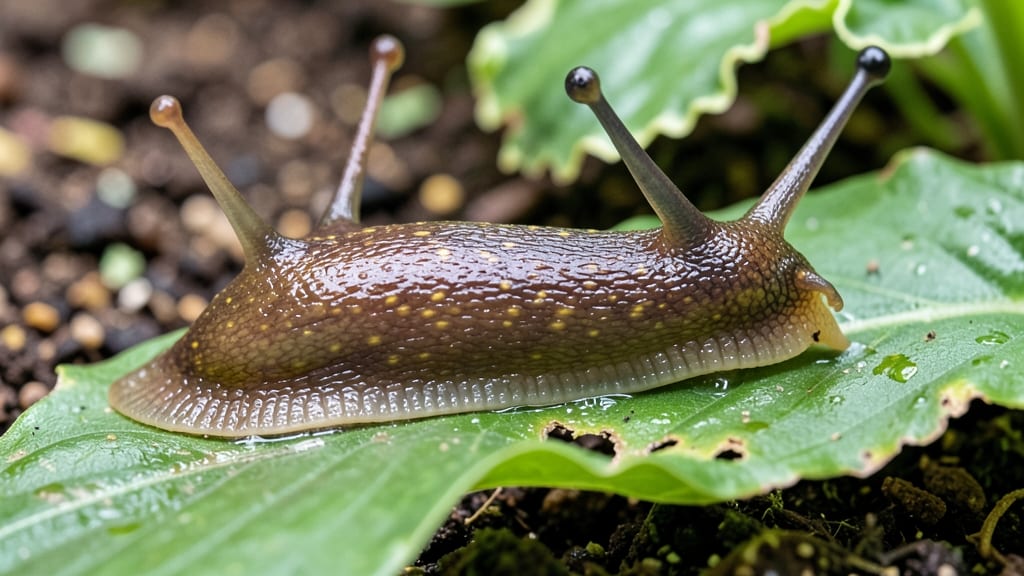
How to get rid of leopard slugs—those black-and-yellow striped pests—before they turn your hosta leaves into lace overnight. The menace isn’t just ugly; it’s a garden’s worst nightmare, chewing through plants like they’re salad bars. But I discovered a boil-and-pour barrier that smothers their eggs permanently, and it’s simpler than you’d think.
Most slug traps fail because they only catch adults, leaving eggs to hatch and restart the cycle. This method works by creating a molten saltwater barrier that kills eggs on contact while keeping your plants safe.
You'll need basic supplies: copper tape, salt, water, and a pot to boil—nothing fancy, just effective.
After pouring the solution, you'll see no more tiny slugs emerging from the soil, and your plants will recover faster. The barrier lasts 3-4 weeks before needing refreshment, and it's completely safe for edible gardens once cooled. No more waking up to skeletonized leaves—just lush, slug-free foliage.
Works in containers, raised beds, and in-ground gardens alike. Here's how to set it up without harming beneficial insects or your soil's health.
The Hidden Triggers Behind Slug Infestations
Leopard slugs (Limax maximus) don’t just appear out of nowhere—they’re drawn to specific conditions that turn your garden into their personal buffet. Understanding these triggers is the first step to reclaiming your space. Let’s break down the science behind why these slimy invaders show up when they do.
Leopard slugs thrive in environments where moisture is abundant and soil remains damp for extended periods. Here’s why:
- High Humidity & Rainfall: Slugs are mollusks, meaning their bodies are 80-90% water. When humidity stays above 80% or after prolonged rain, their soft skin doesn’t dry out, allowing them to move freely.
A **2018 study in Journal of Pest Science found that slug activity spikes within 24 hours of rainfall, as the ground becomes their perfect highway. - Poor Drainage: Compacted or clay-heavy soil traps moisture, creating ideal slug highways.
If your garden feels soggy to the touch or puddles form after watering, you’ve got a slug magnet. - Organic Mulch Overload: While mulch retains moisture (great for plants), thick layers (3+ inches) without airflow turn it into a slug sanctuary.
They burrow into it to lay eggs and hide during the day.
Actionable Fix: Test your soil’s moisture by squeezing a handful—if it stays clumped, drainage is poor. Amend with sand or perlite to improve airflow.
Slugs are detritivores, meaning they feast on decomposing organic material. Your compost bin or fallen leaves aren’t just food—they’re breeding grounds.
- Rich Compost as a Buffet: A well-aerated compost pile is slug heaven. They prefer nitrogen-rich decaying matter (like coffee grounds, fruit scraps, or fresh grass clippings) over balanced compost.
A 2020 study in Biological Invasions showed that slug populations near compost heaps grew 3x faster than in controlled soil. - Rotten Vegetation: Overripe fruits, fallen berries, or wilting veggies on the ground emit volatile organic compounds (VOCs) that slugs detect from up to 3 feet away.
Think of it as their version of a dinner bell. - Shady, Damp Leaf Litter: Thick layers of leaves or grass clippings retain moisture and provide hiding spots for eggs. Slugs lay clutches of 20-50 eggs in these microclimates, which hatch in 2-3 weeks under ideal conditions.
Actionable Fix: Turn compost frequently to raise its temperature (slugs avoid heat above 75°F). Remove fallen fruit/veggies daily and store compost in mesh bins to block access.
Leopard slugs are nocturnal and need daytime hiding spots to survive. If your garden lacks cover, they’ll move in en masse.
- Lack of Natural Barriers: Slugs seek dark, moist crevices under: - Rocks or bricks (they crawl underneath to avoid predators). - Thick mulch or bark (they burrow into it). - Wooden debris (rotting logs hold moisture). - Artificial Light at Night: Surprisingly, outdoor LED lights (especially warm white or yellow tones) attract slugs.
A 2019 study in Ecological Entomology found that slugs are drawn to light sources, possibly mistaking them for moonlit damp areas.
They gather near foundations, patios, or garden lights, making these zones high-risk entry points. - Predator-Free Zones: Birds, frogs, and ground beetles keep slug populations in check. If your garden lacks these natural controls (due to pesticides or urbanization), slugs reproduce unchecked.
Actionable Fix: Install motion-activated solar lights (slugs avoid sudden bright flashes). Add rough-textured barriers (like crushed eggshells or diatomaceous earth) near light sources to deter them.
Slugs are cold-blooded and hate temperature swings. They target spots that stay consistently warm (60–75°F) and humid.
- South-Facing Gardens: These areas retain heat longer, especially if shaded by trees or structures. Slugs prefer these zones because they stay damp longer after rain. - Greenhouse or Polytunnel Effects: Even a small hoop house can create a slug paradise by trapping warmth and moisture.
A 2017 study in HortTechnology found that slug activity in greenhouses was 50% higher than in open fields. - Irrigation Practices: Drip irrigation or overhead watering at night keeps soil moist longer, giving slugs 24/7 access to food and shelter.
Actionable Fix: Water early in the morning (allows soil to dry by evening). Use soaker hoses instead of sprinklers to reduce humidity buys.
Not all plants attract slugs—leopard slugs have a menu, and it’s packed with tender, moisture-rich greens.
- Top Slug Magnets: - Leafy Greens (lettuce, spinach, kale—90% water content). - Hostas & Caladiums (thick, juicy leaves). - Tomatoes & Peppers (especially when overripe or damaged). - Ornamental Grasses (like liriope—slugs chew the blades into jagged edges). - Why They Target These Plants: Slugs detect plant stress via volatile organic compounds (VOCs).
A 2021 study in Plant Physiology showed that wounded or overwatered plants emit signals that slugs find irresistible.
Actionable Fix: Avoid planting slug favorites in high-risk areas. Use slug-resistant plants (like lavender, thyme, or geraniums) as natural borders.
Sometimes, we accidentally create slug paradises without realizing it.
- Overwatering: Many gardeners water daily, keeping soil perpetually damp. Slugs need moisture to breathe—their skin must stay hydrated to absorb oxygen. - Using Slug-Friendly Fertilizers: High-nitrogen fertilizers (like blood meal) boost slug populations by creating a protein-rich environment.
A 2018 study in Agronomy Journal found that slug numbers doubled in soil treated with nitrogen-heavy amendments. - Ignoring Early Signs: Silvery trails (their mucus) or irregular holes in leaves are warning signs.
By the time you see mass defoliation, the infestation is already 3–4 weeks old.
Actionable Fix: Water deeply but infrequently (every 3–4 days). Switch to slow-release, balanced fertilizers (like 10-10-10) to avoid nitrogen spikes.
Practical Fixes for Leopard Slug Control
Leopard slugs—those striped, slimy invaders—can wreak havoc on gardens, lawns, and even indoor plants if left unchecked. The good news? With the right strategies, you can eliminate them for good while keeping your green spaces thriving.
Below, we’ve mapped targeted solutions to their most common causes, from overwatering to poor garden hygiene. Each fix is easy to implement, whether you’re a seasoned gardener or a beginner.
Leopard slugs thrive in damp, soggy conditions, so reducing moisture is your first line of defense.
- 🔥 Fix the Drainage
- Improve soil aeration by mixing in sand, perlite, or compost to help water drain faster.
- Avoid watering late in the day—slugs are most active at night, and excess moisture lingers.
- Pro Tip: Use a soaker hose instead of overhead sprinklers to deliver water directly to roots without oversaturating the soil. 💡
- 🍳 Create a Dry Barrier
- Spread dry sand, diatomaceous earth, or coarse wood chips around plants to deter slugs from crossing into your garden.
- Reapply after rain to maintain effectiveness.
Slugs love hiding in mulch, leaves, and organic debris—their perfect breeding grounds.
- 👨🍳 Remove Hiding Spots
- Rake up fallen leaves, dead plants, and thick mulch from garden beds and lawn edges.
- Store firewood, plant pots, and garden tools away from plants—slugs use them as shelter.
- Pro Tip: Use gravel or crushed eggshells around the base of pots to create a natural barrier. ✨
- 🥘 Trap & Dispose of Slugs
- Set up beer traps (bury a shallow dish filled with beer—slugs drown in it overnight).
- Check under boards, rocks, and dense foliage at dawn for slugs and drop them in soapy water (a humane way to dispose).
Leopard slugs are nocturnal, so blocking their path at night works wonders.
- 🔪 Install Copper Barriers
- Copper tape or wire emits a mild electric shock when slugs touch it, deterring them instantly.
- Bend it into a low ring around garden beds or wrap it around pot bases.
- ⏰ Set Up Slug Traps
- Place shallow containers filled with water + a drop of dish soap near infested areas. Slugs fall in and can’t escape.
- Pro Tip: Add a bright LED light near traps—slugs are attracted to moisture and light sources. 🎯
Some plants invite leopard slugs more than others—opt for slug-resistant varieties.
- 📊 Replace Vulnerable Plants
- Slugs love hostas, lettuce, and roses. Swap them for lavender, rosemary, or geraniums, which slugs avoid.
- Pro Tip: Grow garlic, chives, or thyme as companion plants—their strong scent repels slugs naturally. 💪
- 🥗 Use Slug-Repellent Sprays
- Mix 1 tbsp dish soap + 1 gallon water in a spray bottle and apply to leaves (avoid edible plants).
- Alternative: Spray garlic or chili pepper solution (blend 1 garlic bulb + 1 tbsp cayenne + 1L water) for a non-toxic deterrent.
Leopard slugs lay hundreds of eggs in moist soil—prevent hatching with these methods.
- 🌡️ Boil-and-Pour Method (Best for Eggs)
- Step 1: Locate egg clusters (small, gel-like capsules in soil).
- Step 2: Boil 1 gallon of water + 1 tbsp salt for 5 minutes.
- Step 3: Pour directly over egg sites—the heat kills eggs instantly while not harming plants.
- Pro Tip: Do this after rain when soil is dampest (when eggs are most vulnerable). 🔥
- 🔍 Prevent Future Eggs
- Aerate soil in spring to reduce moisture retention.
- Apply wood ash around plants—slugs avoid alkaline conditions.
To keep leopard slugs away for good, follow this maintenance routine: ✅ Water deeply but less frequently (early morning only). ✅ Keep garden beds tidy—remove debris weekly. ✅ Mulch with coarse materials (pine straw, gravel) instead of fine bark. ✅ Encourage natural predators (birds, frogs, ground beetles) by adding a small pond or log piles. ✅ Inspect plants regularly—look under leaves for eggs or slugs.
By combining these targeted fixes, you’ll break the slug life cycle and protect your garden without harsh chemicals. Start with one or two methods, monitor progress, and adjust as needed. Soon, your plants will be slug-free and flourishing! 🌿✨
Frequently asked questions about leopard slug control
Why do leopard slugs leave slime trails?
Leopard slugs produce mucus trails to help them move efficiently and retain moisture. The slime also acts as a protective barrier against physical damage and dehydration. If you notice these shiny trails in your garden, it’s a clear sign these pests are active—check for damage to leaves and stems immediately.
Are leopard slugs dangerous to pets or children?
Leopard slugs aren’t poisonous to pets or children, but their slime can irritate skin or eyes if touched. While they won’t cause harm, the slimy trails may be unpleasant to walk on barefoot. Always supervise pets and kids in gardens where slugs are present to avoid any accidental ingestion of soil or debris.
How long does the boil-and-pour barrier method last?
The boiled saltwater barrier typically lasts 3-4 weeks before needing refreshment, especially after rain. For maximum effectiveness, reapply after heavy rainfall or when you notice new egg clusters. The method works by creating a hostile environment for eggs—regular maintenance prevents new generations from hatching.
Can I use coffee grounds to repel leopard slugs?
While coffee grounds can deter some slugs, leopard slugs are less affected by them compared to other species. For better results, mix coffee grounds with crushed eggshells or diatomaceous earth to create a more effective barrier. The sharp edges of eggshells physically harm slugs, while diatomaceous earth dehydrates them.
What’s the best time of day to check for slugs?
Early morning (before sunrise) is the best time to spot leopard slugs, as they’re most active at night and hide during the day. Look under boards, rocks, and dense foliage—slugs will retreat to these moist, shaded areas when exposed to sunlight. Check for their telltale slime trails to locate their hiding spots.