Size
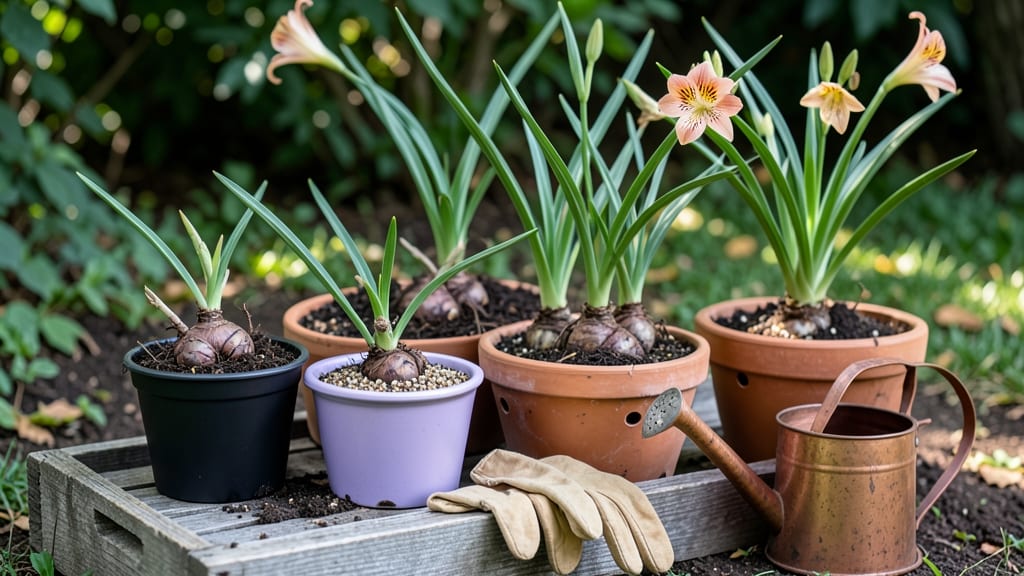
How to grow alstroemeria in pots with almost no effort—once you know the right moves. 🌿 I’ve grown these perennials in containers for years, and they’ve rewarded me with months of vibrant blooms without the fuss of in-ground planting. The secret lies in mimicking their natural habitat: well-draining soil, room to spread, and just enough water to keep roots happy—not soggy.
You’ll need a 12-inch-wide pot (or larger for multiple plants), a mix of potting soil and perlite for drainage, and a sunny spot that gets at least 6 hours of light daily. Overwatering is the #1 killer, so let the top inch of soil dry out between waterings.
Feed them once a month with balanced fertilizer during growing season, and they’ll repay you with cheerful, long-stemmed flowers that last weeks in vases.
Cold climates? No problem—bring pots indoors before frost or wrap them in burlap for protection. These plants are hardy survivors, even in containers, and they’ll bounce back stronger each year. Pair them with salvia or lavender in the same pot for a fragrant, low-maintenance combo that’s tough to beat.
By summer’s end, you’ll have a self-sustaining bloom machine that needs almost no attention. The key is patience and proper drainage—skip the guesswork, and these perennials will reward you with colorful, cuttable stems for years to come.
📚 In This Guide
- What you need
- Instructions
- Tips and common mistakes
- Wrapping up and next steps
What you need
- ● Alstroemeria tubers or plants: 3–5 healthy tubers (or potted plants) per pot. Choose Alstroemeria aurantiaca or Alstroemeria ligtu for vibrant blooms.
- ● Containers: Pots with drainage holes, 12–18 inches in diameter (bigger for multiple tubers). Terracotta or ceramic works best.
- ● Potting mix: Well-draining blend (50% peat-free potting soil + 50% perlite, sand, or orchid bark). Avoid heavy garden soil!
- ● Drainage layer: 1–2 inches of gravel or small stones at the pot’s bottom.
- ● Slow-release fertilizer: Balanced 10-10-10 or 14-14-14 (mix 1 tbsp per pot into the soil).
- ● Watering can or spray bottle: For gentle hydration (avoid soggy roots!).
- ● Pruning shears: Sharp scissors to trim dead foliage or spent blooms.
- ● Mulch: Pine bark or coconut coir to retain moisture and regulate temperature.
- ● Epsom salt: 1 tsp per gallon of water monthly for magnesium boosts (prevents yellowing leaves).
- ● Support stakes: If stems flop, use bamboo stakes or small grids for taller varieties.
- ● Grow lights: For indoor setups—12–14 hours of LED light daily (if natural light is <6 hours).
- ● Compost tea: Weekly foliar spray for extra nutrients (homemade or store-bought).
Step-by-step instructions for growing alstroemeria in containers
Here’s how to coax vibrant, long-lasting blooms from alstroemeria in pots—no greenhouse required.
🪴 Step 1: Select the Right Containers and Drainage
Alstroemeria thrives in 5-6 gallon pots with multiple drainage holes—this prevents root rot, their biggest enemy. I use terracotta pots because they wick away excess moisture, but plastic works too if you drill extra holes. Place a 2-inch layer of gravel or perlite at the bottom to ensure water flows freely.
Choose pots at least 12 inches deep—shallow containers stunt root growth, and you’ll end up with leggy stems chasing light. Group your 4 plants (one per pot) in a sunny spot where they’ll get 6+ hours of morning sun and afternoon shade in hot climates. Alstroemeria’s roots are shallow but sprawling, so avoid overcrowding.
🌱 Step 2: Prepare Well-Draining Soil Mix
Fill pots with a custom blend of 60% potting mix, 30% perlite, and 10% compost. Alstroemeria hates soggy soil—this ratio keeps roots aerated while providing nutrients. I sift the mix to break up clumps, ensuring it’s light enough for delicate roots to push through.
Add a slow-release fertilizer (like 10-10-10) at planting time—just 1 tablespoon per pot. This gives your plants a nutrient boost without burning roots. Press the soil down gently around the roots to eliminate air pockets, but don’t compact it. The goal is firm but not dense—you should be able to push a finger in 1 inch deep with light resistance.
☀️ Step 3: Plant and Position for Optimal Light
Dig a hole twice as wide as the root ball and place your alstroemeria 1 inch deeper than it grew in its nursery pot. This encourages stability and prevents top-heavy stems from toppling. Space 4 plants 6 inches apart in each pot—crowding leads to fewer blooms and more foliage.
Water deeply right after planting until water runs out the drainage holes. Then, let the top 1 inch of soil dry out before watering again. Alstroemeria’s native habitat is rocky, so they prefer dry-ish conditions—overwatering is the fastest way to kill them. Place pots where they’ll get bright, indirect light for the first week to reduce transplant shock.
💧 Step 4: Water and Fertilize for Continuous Blooms
Once established, water every 5-7 days—check by sticking your finger 1 inch deep. If it’s dry, water thoroughly; if damp, wait. Alstroemeria stores water in its stems, so deep, infrequent watering encourages stronger growth than frequent shallow drinks.
Feed every 6-8 weeks with a balanced liquid fertilizer (diluted to half strength). I mix mine with water and apply it to moist soil—never dry. Deadhead spent blooms by snipping stems 2 inches below the flower head to redirect energy into new growth. You’ll see nonstop blooms if you keep this up, even in winter with a grow light.
✂️ Step 5: Prune and Overwinter for Next Year
After the first frost, cut back stems to 4 inches above the soil. Alstroemeria is semi-evergreen in mild climates, but a hard prune prevents flopping and signals the plant to rest. Move pots to a cool (40-50°F) but bright spot—like a garage with a window—and reduce watering to every 3 weeks.
In spring, remove old leaves and repot if roots are circling. Divide clumps every 2-3 years by separating rhizomes—each piece with 3-4 eyes will grow into a new plant. With this routine, your alstroemeria will reward you with year-round color with almost no fuss.
Tips & tricks for growing alstroemeria in pots
Avoid these common pitfalls—and watch your potted alstroemeria thrive with vibrant blooms all year.
Container Depth Matters: Those 12-inch-deep pots aren't arbitrary—they give roots room to spread horizontally while preventing leggy growth. I've seen shallow planters (under 10 inches) produce stems that flop like overgrown weeds. For extra stability, choose pots with a slightly wider base than top diameter to prevent tipping, especially when blooms get heavy.
Soil Texture is Non-Negotiable: The 60-30-10 soil ratio (potting mix/perlite/compost) creates the perfect balance—too much compost makes soil gummy, while too much perlite drains nutrients. I always sift the mix through a fine-mesh screen to eliminate clumps that could suffocate roots. For the first week after planting, gently press the soil around the base of each plant to eliminate air pockets without compacting it.
Light Positioning Secrets: While alstroemeria loves bright light, afternoon sun can scorch leaves in hot climates. I place my pots where they get morning sun (6+ hours) and afternoon shade—think east-facing windows or patio spots with dappled shade. If you notice leaves turning yellow, it's either too much direct sun or inconsistent watering. Rotate pots every 2-3 weeks so all sides get even light exposure.
Winter Care is Key for Year-Round Blooms: That 40-50°F cool spot during winter isn't just for show—it mimics alstroemeria's natural dormancy period. I've found that moving pots to an unheated garage with a sunny window prevents them from going dormant too early. Reduce watering to every 3 weeks only after the soil feels completely dry 2 inches down. This winter routine is what gives me continuous blooms even in January.
Pro Tips for Grow Alstroemeria In Pots
- Avoid these common pitfalls—and watch your potted alstroemeria thrive with vibrant blooms all year.
- Container Depth Matters: Those 12-inch-deep pots aren't arbitrary—they give roots room to spread horizontally while preventing leggy growth.
- Soil Texture is Non-Negotiable: The 60-30-10 soil ratio (potting mix/perlite/compost) creates the perfect balance—too much compost makes soil gummy, while too much perlite drains nutrients.
Frequently asked questions
Got questions about growing alstroemeria in pots? You’re not alone! Here are answers to the most common concerns—from timing to troubleshooting—so you can keep your plants thriving with confidence.
How often should I water potted alstroemeria?
Water your alstroemeria when the top 1–2 inches of soil feel dry. Aim for consistent moisture—neither soggy nor bone-dry. In hot climates, water every 2–3 days; in cooler weather, every 5–7 days. Pro tip: Use a pot with drainage holes to prevent root rot!
When is the best time to plant alstroemeria in pots?
Plant in spring (after the last frost) or early fall for best results. Alstroemeria thrives in moderate temps (50–75°F). If starting from seeds, sow indoors 8–10 weeks before the last frost. Bonus: Potted plants can be moved indoors in winter for year-round blooms!
Can I grow alstroemeria from cuttings or just seeds?
Both work! Seeds take 10–14 days to germinate and grow slower (1–2 years to bloom). Cuttings (from healthy stems) root faster and bloom sooner—just dip in rooting hormone and keep moist. Tip: Buy pre-grown tubers for instant blooms!
Why are my alstroemeria leaves turning yellow?
Yellow leaves usually mean overwatering or nutrient deficiency. Check drainage—soggy soil = root rot. Feed with a balanced fertilizer (10-10-10) every 4–6 weeks. Fix: Repot if roots are crowded or soil is compacted.
How do I overwinter potted alstroemeria?
Move pots to a cool (40–50°F), bright spot (like a garage or basement) and reduce watering. Trim dead foliage but leave stems—new growth will sprout in spring! Pro move: Mulch the soil lightly to retain moisture.
Wrapping up and next steps
Growing alstroemeria in pots is a rewarding way to enjoy vibrant blooms year-round with minimal fuss! With the right well-draining soil, bright indirect light, and occasional care, you’ll have a stunning, low-maintenance plant that thrives in containers.
Whether you’re a beginner or a seasoned gardener, these cheerful flowers are perfect for brightening up patios, balconies, or windowsills.
Now that you’re armed with the know-how, take the next step—grab a pot, some alstroemeria tubers, and start your blooming adventure! 🌸 With patience and a little love, you’ll soon be sharing your gorgeous, long-lasting flowers with friends or gifting them as homemade bouquets. Happy growing!