
Size
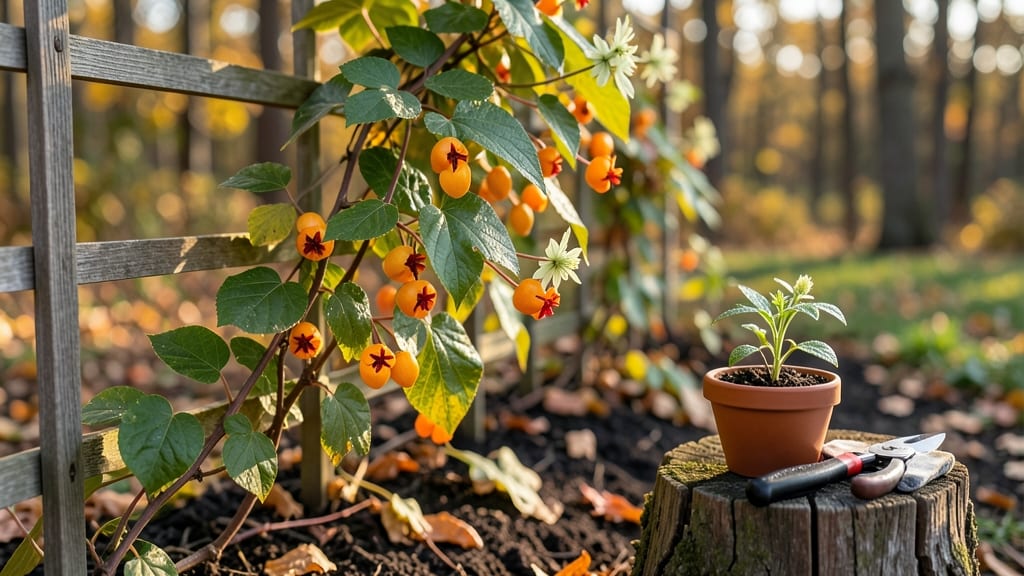
How to grow a bittersweet plant turns your yard into a living garland by fall. 🌿 The secret? These hardy climbers thrive with almost no work—just the right spot and a little patience. Unlike fussy plants, bittersweet handles neglect like a champ, producing those iconic orange-red berries year after year with minimal fuss.
You’ll need full sun, well-draining soil, and either seeds or cuttings—both work, but cuttings give you faster results. Plant in early spring or fall, and watch those vines climb trellises, fences, or even trees within a single season.
Water lightly at first, then let nature take over; bittersweet’s drought-tolerant once established.
By late summer, you’ll have lush, tangled vines bursting with berries that last through winter. The pruning? Just trim back old growth in early spring to keep it tidy. No deadheading, no fuss—just reliable color and structure for your landscape.
Works in landscapes, containers, or even as a privacy screen. The only downside? Those berries are toxic to pets, so plant where they’re out of reach. Ready to grow a vine that outlasts trends? Let’s get started.
📚 In This Guide
- What you need
- Instructions
- Tips and common mistakes
- Wrapping up and next steps
What you need
- ● Bittersweet plant: Seeds (10–20, if starting from scratch)
- ● OR Healthy cuttings (3–5, 4–6 inches long, from established vines)
- ● OR Nursery-grown plants (1–2, 1–2 feet tall)
- ● Growing medium: Well-draining potting mix (5–10 gallons, depending on container size)
- ● OR Loamy garden soil (amended with compost for better drainage)
- ● Containers (if not planting in-ground): 5–10 gallon pots (with drainage holes)
- ● OR Raised garden beds (if growing multiple plants)
- ● Tools: Pruning shears (sterilized)
- ● Trowel or small shovel
- ○ Garden gloves (optional but recommended)
- ● Rooting hormone (to boost cutting success)
- ● Mulch (2–3 inches of shredded bark or straw)
- ● Fertilizer (balanced 10-10-10, sparingly)
- ● Trellis or sturdy fence (for support as vines grow)
- ● Spray bottle (for misting seeds/cuttings)
Step-by-step instructions for growing bittersweet vines
Bittersweet thrives with just a few key conditions—let’s get your vines climbing in no time.
🌱 Step 1: Choose the Perfect Planting Spot
Bittersweet vines love full sun to partial shade—at least 6 hours of sunlight daily for the best growth. I always pick a spot near a fence, trellis, or pergola where the vine can climb and spread. The soil should drain well, but it tolerates a range of conditions, even slightly dry or rocky soil.
If your yard has heavy clay, mix in compost or sand to improve drainage. Bittersweet is tough once established, but poor drainage can rot roots, so avoid low-lying areas where water pools. A slight slope helps excess moisture move away from the base.
🌿 Step 2: Plant Bare-Root or Container-Grown Vines
For bare-root plants, soak the roots in lukewarm water for 1-2 hours before planting to rehydrate them. Dig a hole twice as wide as the root ball but only as deep—planting too deep can suffocate the crown. Gently spread the roots outward and backfill with soil, tamping lightly to remove air pockets.
If using container-grown vines, remove the plant carefully, keeping the root ball intact. Place it in the hole at the same depth it was in the pot. Water deeply right after planting to settle the soil and encourage root contact. A 2-3 inch layer of mulch around the base helps retain moisture and regulate soil temperature.
☀️ Step 3: Provide Support and Prune for Healthy Growth
Bittersweet needs a sturdy support structure—trellises, fences, or arbors work best. Train young vines by loosely tying them to the support with soft twine or plant ties as they grow. Avoid wrapping too tightly, or you’ll restrict growth. Prune in late winter or early spring to shape the vine and remove dead or crossing branches.
Here’s the thing—bittersweet grows fast, but it doesn’t need heavy pruning. Just trim back any leggy growth or overcrowded stems to encourage bushier, fuller vines. You’ll see new shoots emerge within 2-3 weeks of pruning, signaling the plant is happy and healthy.
💧 Step 4: Water and Fertilize for Year-Round Color
Water deeply once a week during the first growing season to establish roots, then taper off to every 2 weeks once established. Bittersweet is drought-tolerant, but consistent moisture helps it thrive. You’ll know it’s getting enough water when the soil feels dry 2 inches below the surface—stick your finger in to check.
Fertilize lightly in early spring with a balanced, slow-release fertilizer (10-10-10 ratio). Too much nitrogen makes vines grow leafy but weak, reducing those vibrant red berries. A light application of compost in spring is enough to keep it happy without overfeeding.
⏰ Step 5: Protect and Maintain for Long-Term Beauty
Bittersweet is hardy and low-maintenance, but deer and rabbits love it—protect young plants with netting or repellent if pests are an issue. Once established, it’s tough enough to fend them off. In winter, the vines die back, but the roots stay alive, ready to burst with new growth in spring.
Watch for powdery mildew if humidity is high—prune for airflow and avoid overhead watering. With minimal effort, your bittersweet will reward you with year-round interest, from spring blooms to fall berries and even winter seed pods. That’s the magic of this hardy vine!
Tips & tricks for perfect bittersweet plant growth
Bittersweet vines are one of those plants that seem too good to be true—hardy, fast-growing, and stunning year-round. Here's what I've learned to keep mine thriving with almost no effort.
Sunlight Secret: While bittersweet tolerates partial shade, I've found that vines in full sun (6+ hours daily) produce the most vibrant berries and lushest growth. If your yard has limited sun, choose the brightest spot possible near your support structure—this is where the vine will spend most of its energy growing toward the light. I've seen vines in partial shade still thrive, but they'll be less vigorous and produce fewer berries.
Root Revival Technique: That 1-2 hour soak for bare-root plants isn't just about hydration—it's about waking up dormant roots. I like to add a splash of seaweed fertilizer (optional) to the water to give them a gentle nutrient boost right from the start. This helps compensate for transplant shock, especially if you're planting in hot weather. After soaking, handle roots gently to avoid damaging the delicate root hairs that absorb water.
Pruning Payoff: The 2-3 week window after pruning is when you'll see the most dramatic growth response. I've noticed that vines pruned in late winter (just as new buds begin to swell) produce the most abundant blooms. When trimming, cut back to just above a leaf bud or lateral branch—this is where new growth will emerge. Avoid cutting into old wood, as it won't regenerate new shoots.
Watering Wisdom: That 2-inch dry soil check is your best friend. I've learned to water in the morning so the foliage has time to dry before evening—this prevents fungal issues like powdery mildew. During the first growing season, I water deeply every week, but I've found that established vines actually do better with slightly drier conditions. Overwatering can lead to root rot, especially in heavy clay soils.
Pro Tips for Grow Bittersweet Plant
- Bittersweet vines are one of those plants that seem too good to be true—hardy, fast-growing, and stunning year-round.
- Sunlight Secret: While bittersweet tolerates partial shade, I've found that vines in full sun (6+ hours daily) produce the most vibrant berries and lushest growth.
- Root Revival Technique: That 1-2 hour soak for bare-root plants isn't just about hydration—it's about waking up dormant roots.
Frequently asked questions
Got questions about growing bittersweet vines? You’re not alone!
Here are the most common concerns—plus quick, actionable answers to keep your plants thriving with minimal fuss.
1. How long does it take for bittersweet to grow and produce berries?
Bittersweet is patient but rewarding! Expect Celastrus scandens (American bittersweet) to establish in 1-2 years before climbing vigorously. Berries typically appear in 2-3 years, with full color bursts in fall. For faster results, choose Celastrus orbiculatus (Oriental bittersweet), which may fruit sooner but is invasive in some regions—check local guidelines first.
2. Can I grow bittersweet in containers, or does it need a trellis?
Containers work for small-scale growth, but bittersweet’s woody vines need space to sprawl—aim for a 5-gallon pot minimum with drainage holes. For best results, train it on a trellis, fence, or arbor (3–6 feet tall). Prune aggressively in early spring to control size, and rotate containers occasionally for even growth.
3. Why aren’t my bittersweet berries changing color, and how can I fix it?
Dull berries often signal lack of sunlight or nutrients. Ensure your vine gets 6+ hours of sun daily and amend soil with compost or balanced fertilizer (10-10-10) in early spring. Overwatering can also dull colors—let soil dry slightly between waterings. Deadhead spent blooms in summer to encourage new fruit production.
4. Is bittersweet toxic to pets or humans? Should I avoid it?
Yes, bittersweet is mildly toxic if ingested—especially the berries and seeds, which can cause stomach upset or vomiting in pets/humans. Keep it away from curious kids or pets. Wear gloves when handling to avoid skin irritation. Opt for non-toxic alternatives like Virginia creeper or clematis if safety is a concern.
5. Can I propagate bittersweet from cuttings, or do I need to buy new plants?
Take 4–6 inch semi-hardwood cuttings in late summer/early fall, dip in rooting hormone, and plant in moist perlite or sand. Keep humid (use a plastic bag) and in partial shade until roots form (4–6 weeks). Alternatively, layer vines in spring by bending a stem to the ground, covering with soil, and securing—new roots will sprout in 2–3 months!
Wrapping up and next steps
Growing a bittersweet plant is a rewarding way to add vibrant color and texture to your garden with minimal fuss! With the right soil, sunlight, and a little patience, you’ll soon enjoy its stunning berries and lush vines—perfect for fall decor or wildlife-friendly landscaping. 🌿
Now that you’re equipped with the know-how, take the first step this weekend: pick your spot, gather your supplies, and plant those seeds or cuttings. Before you know it, your garden will be a showstopper! 🌟