
How To
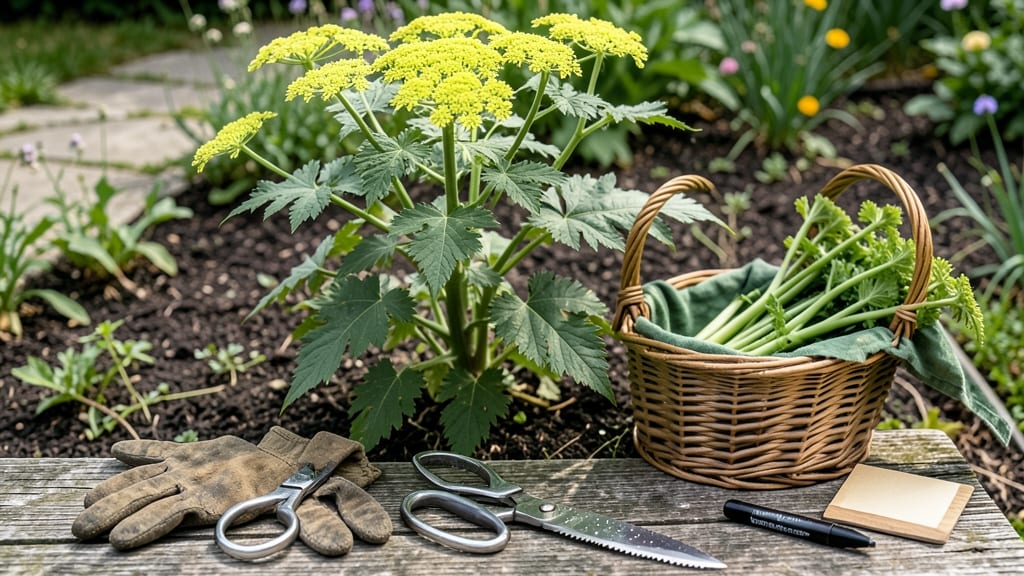
Harvesting lovage at the right time can mean the difference between a bold, flavorful herb and one that tastes bitter or struggles to regrow.
This celery-like perennial is packed with benefits, but timing is everything—cut too early or too late, and you might miss out on its peak taste and vitality.
If you're wondering how to harvest lovage without harming your plant, the key lies in seasonal cues and proper technique. From June through September, your lovage 🌿 will reward you with fresh leaves and stems, but knowing when to snip—and how—will keep your plant thriving for years.
Let’s break down the best practices so you can enjoy a steady harvest without overdoing it.
One common mistake is harvesting leaves too aggressively, which can weaken the plant or even prevent it from flowering. Instead, focus on cutting outer stems and leaves first, leaving the inner growth intact. This method ensures your lovage stays healthy and continues producing flavorful foliage well into the fall.
Ready to maximize your harvest? I’ll walk you through the exact steps—from identifying the perfect moment to cut to storing your bounty for later.
By the end, you’ll know exactly when and how to harvest lovage for the best flavor and regrowth, so your garden keeps giving back all season long.
Best time of year to harvest lovage for optimal flavor and regrowth
Timing is everything when harvesting lovage. This hardy perennial thrives when you cut it at the right moment—too early, and the flavor is weak; too late, and you risk stunting regrowth.
The best harvest window spans from late spring through early fall, aligning with your plant’s natural growth cycle.
For leaves and stems, aim to harvest between June and September when the weather is warm but not scorching.
This period ensures your lovage has fully recovered from winter dormancy and is producing its most flavorful foliage. Early morning harvests are ideal since the leaves are hydrated and packed with essential oils.
If you’re after lovage roots, wait until fall of the second year when the plant has established a robust root system.
Roots harvested too early will be small and underdeveloped, while waiting too long may reduce their storage potential. Early October is often the sweet spot before the first frost.
Your climate zone plays a role too. In warmer regions (zones 8-10), lovage may stay active later into fall, extending your harvest window. Meanwhile, gardeners in cooler zones (5-7) should wrap up leaf harvesting by mid-September to avoid frost damage.
| Harvest Type | Best Time | Flavor Impact | Regrowth Potential |
|---|---|---|---|
| Leaves & Stems | June–September | Peak flavor, tender texture | High (if not over-harvested) |
| Roots | Fall (after 2 years) | Earthy, intense flavor | Low (harvest once) |
| Flowers | Late summer (before seeds form) | Mild, sweet notes | Medium (encourages seed production) |
| Seeds | Late fall (after drying) | N/A (used for propagation) | N/A (plant new seeds) |
Watch for visual cues like mature leaf size (6–12 inches) and deep green, glossy foliage. These signs confirm your lovage is ready for harvest. Avoid cutting leaves that are small, pale, or bitter-tasting, as these indicate immaturity or stress.
In container gardens, lovage may mature faster due to limited root space. Monitor your plant closely and adjust your harvest timeline accordingly. Container-grown lovage can often be harvested 2–4 weeks earlier than in-ground plants.
Never harvest lovage during dormancy (winter) or under extreme heat stress. Both conditions weaken the plant and can lead to poor regrowth. If you’re unsure about timing, err on the side of caution and wait until your plant shows clear signs of readiness.
Pro tip: Label your lovage plants in early spring so you can track their growth progress. This simple step helps you avoid over-harvesting and ensures you’re always cutting at the optimal stage for flavor and regrowth.
By aligning your harvests with these seasonal guidelines, you’ll enjoy bold, flavorful lovage while keeping your plant healthy and productive for years to come. 🌿
Step-by-step harvesting techniques for leaves, stems, and roots
Harvesting lovage correctly ensures continuous regrowth and peak flavor. Start by gathering your tools: a sharp pair of pruning shears, sterilized gloves, and a clean container for storage. Always work in the morning after dew dries—this preserves moisture and flavor.
For leaves and stems, focus on the outer growth first. Use your shears to cut just above a leaf node (where leaves meet the stem). This encourages new growth from the base. Avoid cutting into the woody center of mature stems, as this can harm the plant.
🌿
When harvesting roots, wait until fall of the second year for maximum size. Use a garden fork to lift roots carefully—never pull them by the stems. Shake off excess soil, then trim any damaged sections before storing.
After harvesting, fertilize lightly with a balanced 10-10-10 mix to encourage regrowth. Water deeply but avoid overwatering, which can cause rot. Mulch around the base to retain moisture and protect roots during winter dormancy.
✂️