
How To
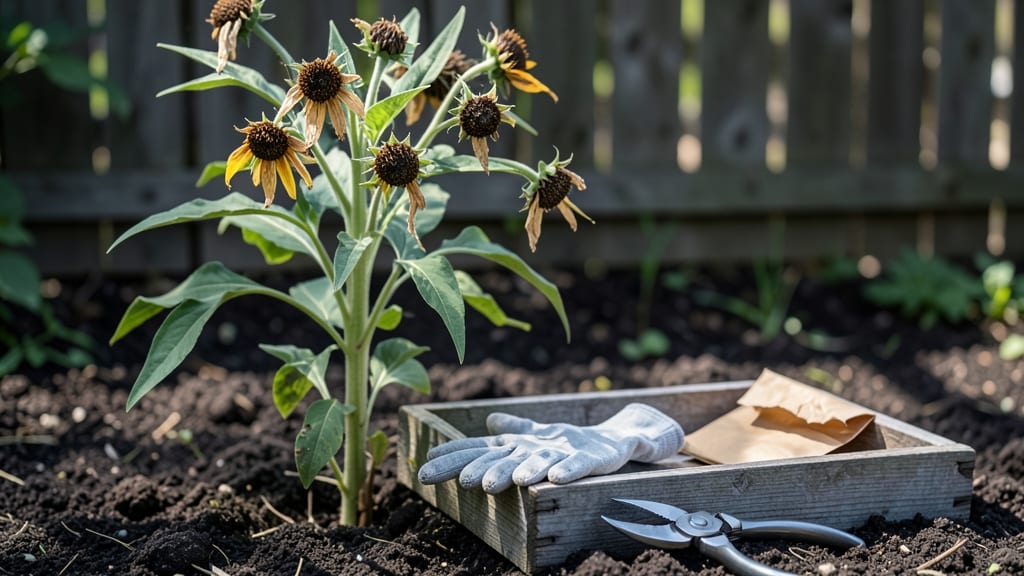
Harvesting rudbeckia seeds is your golden ticket to next year’s vibrant garden—if you time it just right. Those cheerful 🌼 blooms you love so much transform into seed heads packed with potential, but missing the window means wasted effort (or worse, hungry birds snatching them first).
The key lies in late summer or fall, when the flower heads turn from green to deep brown and crispy. You’ll know they’re ready when a gentle shake releases seeds like tiny confetti—this is your cue to act before pests or weather ruins your harvest.
I’ll walk you through every step, from spotting the perfect seed heads to drying and storing them like a pro.
Even experienced gardeners struggle with seed loss, but with the right techniques, you can preserve viability for years. We’ll cover how to protect your seeds from birds, when to cut them for optimal drying, and the best storage methods to keep them fresh until planting season rolls around again.
Ready to turn this year’s rudbeckia into next year’s garden stars? Let’s dive into the simple steps that’ll save you time, money, and frustration—so you can enjoy those iconic blooms for seasons to come.
When and how to identify rudbeckia seeds ready for harvesting
Harvesting rudbeckia seeds at the perfect moment ensures strong germination rates for next year’s garden. Timing is everything—harvest too early, and the seeds won’t be viable; wait too long, and they may scatter or attract pests. The key is watching for visual cues like dried flower heads and rattling seeds.
Rudbeckia seeds mature in late summer to fall, typically between September and October in most U.S. climates. In cooler zones (USDA 3-5), aim for harvest after the first frost when flower heads fully dry.
Meanwhile, in warmer zones (USDA 7-10), seeds may mature earlier, so monitor plants closely.
Look for brown, papery seed heads that contrast sharply with green stems. These heads should feel crispy and dry to the touch, almost like brittle paper. If you shake a mature head gently, you’ll hear seeds rattling inside—this is your green light to harvest.
Another telltale sign is when the central cone of the flower turns from green to deep brown or tan. The petals may have already fallen off, leaving just the seed head. If you press lightly on the head, seeds should pop out easily—this confirms they’re ready for collection.
⚠️ Avoid harvesting too soon! If flower heads are still green or pliable, seeds inside aren’t fully developed. Premature harvesting leads to low germination rates or no growth at all. Patience pays off with healthier rudbeckia seedlings next spring.
Climate plays a big role in harvest timing. In northern regions, first frost can signal the end of the season, so harvest before leaves yellow. In southern areas, extended warm weather may delay seed drying—watch for dryness over temperature as your guide.
Birds and squirrels love rudbeckia seeds, so act quickly once heads are mature. These critters can strip your plants bare overnight. Cover seed heads with mesh bags if you spot them eyeing your garden—this protects seeds while allowing them to dry naturally.
Pro tip: Harvest on a dry, sunny morning when dew has evaporated. This reduces humidity during drying and prevents mold. Cut stems with 2-3 inches of stalk attached to make handling easier later.
If you’re unsure whether seeds are ready, perform the "shake test": Hold a seed head over a brown paper bag and give it a firm shake. If seeds rain down, they’re harvest-ready. If only a few fall out, wait another 3-5 days and test again.
| Stage | Visual Cues | Action |
|---|---|---|
| Early Summer | Bright yellow/orange blooms | Observe plants for bloom cycle |
| Late Summer | Blooms fade, green seed heads form | Wait for color change to brown |
| Fall (Harvest Time) |
|
Harvest with 2-3" stem |
| Post-Frost (Cold Climates) | Fully dried heads after frost | Collect before leaves die |
Once you’ve identified mature seed heads, the next step is proper harvesting. Use clean, sharp pruning shears to cut stems just above a leaf node. This prevents damage to the plant and makes drying easier. Place harvested heads in a well-ventilated area away from direct sunlight to dry completely.
Remember: Rudbeckia seeds can remain viable for 2-3 years if stored correctly. Proper timing now ensures a bountiful seed supply for years to come—so don’t rush the process! 🌼
Step-by-step guide to harvesting and drying rudbeckia seeds
Once you’ve spotted mature rudbeckia seed heads, the next step is harvesting them properly to ensure viable seeds for next year. Timing and technique matter—cut too early, and you’ll end up with immature seeds that won’t sprout. Follow these steps to maximize your yield and preserve seed quality.
Start by using clean, sharp pruning shears or scissors to snip the dried flower heads from the stem. Hold the stem firmly and cut about 1-2 inches below the seed head to avoid damaging the plant.
Work on a dry, sunny day to prevent moisture from lingering on the seeds, which can encourage mold.
How to Harvest and Dry Rudbeckia Seeds
- Step 1: Cut seed heads with 1-2 inches of stem attached.
- Step 2: Lay them on a paper towel or mesh screen in a dry, shaded area for 1-2 weeks.
- Step 3: Gently shake or rub seed heads to release seeds into a bowl.
- Step 4: Remove any chaff or debris with a fine-mesh sieve.
- Step 5: Store dried seeds in a paper envelope or airtight container.
After harvesting, drying seeds properly is crucial. Place the cut seed heads in a well-ventilated spot, like a mesh bag or paper bag, and let them dry for 1-2 weeks.
Avoid direct sunlight, which can overheat the seeds and reduce viability. Once fully dry, gently rub the seed heads over a clean sheet of paper to separate the seeds from the chaff.
If you’re dealing with humid climates, consider using a dehydrator or fan to speed up drying while preventing mold. Rudbeckia seeds should feel lightweight and brittle when ready—if they still feel damp or sticky, they need more time. Never rush drying, as moisture can ruin your entire batch.
Once dried, remove seeds from debris using a sieve or by hand. Store them in a cool, dark place in a paper envelope or glass jar with a desiccant packet to absorb excess moisture.
Label the container with the harvest date to track freshness—rudbeckia seeds typically stay viable for 1-2 years if stored correctly.
Pro tip: If birds or squirrels are a problem in your garden, harvest seeds indoors or under a mesh cover. These critters love fresh rudbeckia seeds, and a single hungry visitor can devastate your yield in minutes. A little prevention goes a long way!