
How To
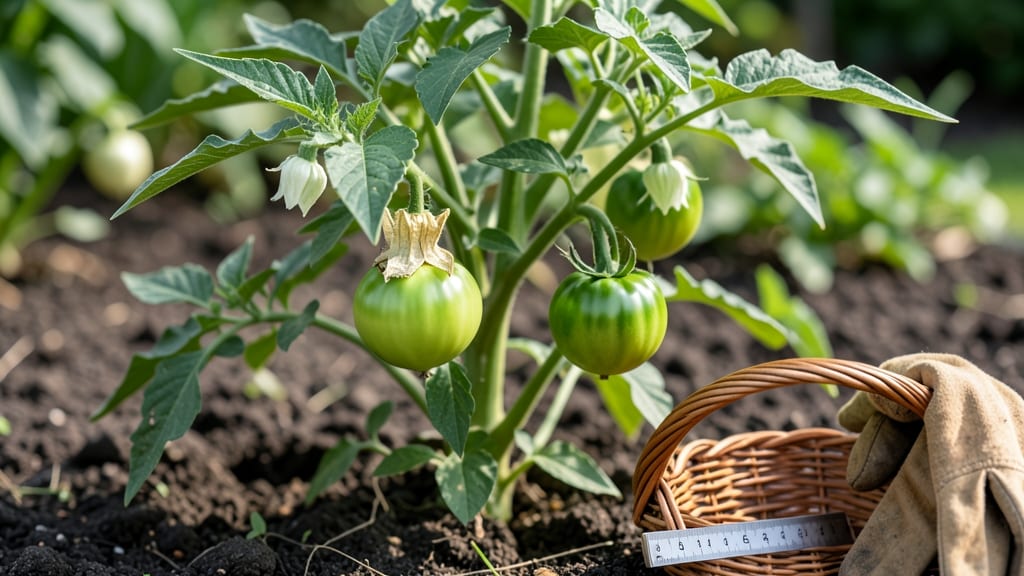
How to know when to harvest tomatillos can turn a mediocre salsa verde into something extraordinary—or ruin it before you even start. These little green gems 🌱 pack a punch of tangy flavor, but timing is everything, and one wrong move means bitter, underripe fruit or mealy, overripe disappointment.
Most gardeners wait for the husk to turn pale green or yellow, but there’s more to it than just color. The size, firmness, and even the plant’s overall health play a role in determining peak ripeness.
If you’ve ever picked tomatillos too early and ended up with a batch that lacked that bright, citrusy kick, you know how frustrating it can be.
In this guide, I’ll walk you through the 5 key signs that your tomatillos are ready to harvest—from the perfect size to the right texture and color cues. You’ll also learn how to adjust for your specific variety and climate, so you never miss the window again.
Ready to master the art of harvesting? Let’s dive into the simple but essential checks that’ll ensure your tomatillos are perfect every time you pick them.
5 Key tomatillo color and size signs your harvest is ready
Tomatillos reach peak flavor when harvested at the perfect moment—too early, and they’re tart and underdeveloped; too late, and they lose crispness. The good news? 5 simple visual cues will tell you exactly when to pick.
Start by examining the husk color, which shifts from vibrant green to pale green or even yellowish as the fruit ripens.
Next, check the fruit size. Most varieties peak at 1 to 2 inches in diameter, though some heirloom types may grow slightly larger. Gently squeeze the tomatillo—it should yield slightly to pressure but not feel mushy.
This firmness indicates ideal ripeness for the best texture in dishes like salsa verde or stews.
Don’t overlook the stem and leaves! When the plant’s foliage starts yellowing and dying back, it’s a sign the energy is redirecting to the fruit. This often coincides with the husk turning papery and dry—a clear signal that your tomatillos are ready for harvest.
Here’s a quick trick: Remove the husk and look for a slightly translucent skin underneath. This indicates the fruit has fully matured and is packed with flavor. If the skin is still opaque or waxy, wait a few more days.
Climate plays a role too. In hotter regions, tomatillos may ripen faster and turn yellow more quickly, while cooler climates can slow the process. Always adjust your timing based on local weather patterns.
🌱
| Sign | Description | Action |
|---|---|---|
| 🟢 Husk Color | Pale green to yellowish | Harvest when husk dries and turns papery |
| 📏 Fruit Size | 1–2 inches in diameter | Pick when firm but slightly soft |
| 🤏 Skin Texture | Slightly translucent | Remove husk to check |
| 🌿 Stem/Leaves | Yellowing and dying back | Indicates fruit maturity |
| ⏰ Time of Day | Morning (cooler temps) | Prevents overripening |
Pro tip: Harvest in the morning when temperatures are cooler. This preserves the fruit’s crispness and prevents overripening, which can make tomatillos mealy or develop a bitter taste. Use clean, sharp pruning shears or scissors to snip the stems, leaving a small portion attached to avoid bruising.
If you’re unsure, pick a few test tomatillos and taste one raw. A ripe tomatillo should have a bright, tangy flavor with a hint of citrus—if it’s bland or overly sour, wait a few more days.
Overripe tomatillos will feel mushy and may split open, making them less ideal for fresh use.
Remember, variety matters. Some types, like 'Purple Beauty', may develop a slight purple hue before ripening, while others like 'Green Mountain' stay green but lighten in shade. Always tailor your harvest timing to the specific type you’re growing.
After harvesting, store tomatillos in a paper bag in the fridge for up to 2 weeks. This mimics their natural environment and slows down further ripening, keeping them fresh for your next culinary project.
✂️
5 Key tomatillo color and size signs your harvest is ready
Harvesting tomatillos at the right moment transforms their tart, citrusy flavor from underwhelming to exceptional. The key is watching for 5 visual cues that signal peak ripeness—color, size, texture, husk condition, and even the plant's overall health.
Ignoring these signs can lead to sour or mealy tomatillos that spoil quickly or lack the bright tang you crave in salsa verde.
Start by checking the color of the fruit. When tomatillos are ready to harvest, they shift from a bright green to a pale green or yellowish hue. This color change indicates the fruit has developed its signature tangy flavor.
If you pick them too early—when they’re still deep green—they’ll taste bland and underripe, while waiting too long can turn them overripe and mushy.
🌱 Tomatillo Ripeness Guide
| Sign | Ready Tomatillo | Not Ready |
|---|---|---|
| Color | Pale green/yellow | Bright green |
| Size | 1-2 inches | Smaller than 1 inch |
| Texture | Firm but slightly soft | Hard and firm |
| Husk Condition | Dries out, turns yellow | Green and papery |
| Plant Health | Leaves yellowing | Lush green leaves |
Next, focus on the size of the tomatillos. At harvest time, they should measure between 1 to 2 inches in diameter. Smaller fruits (under 1 inch) are usually underripe and lack flavor, while larger ones may have started to overripen.
Use a ruler or compare them to a quarter for a quick size check—this ensures consistency in your harvest.
Don’t overlook the texture of the fruit. Gently squeeze a tomatillo—it should feel firm but slightly soft, almost like a ripe avocado. If it’s rock-hard, it’s not ready, and if it feels mushy or squishy, it’s past its prime.
This tactile test is one of the most reliable ways to confirm ripeness, especially when color alone is ambiguous.
The husk surrounding the tomatillo also provides clues. As the fruit ripens, the husk dries out and turns yellowish or brownish. When you see this change, it’s a clear sign that the tomatillos inside are nearing peak ripeness.
If the husk remains green and papery, the fruit is still developing its flavor.
Finally, check the plant itself. When tomatillos are ready for harvest, the leaves and stems near the fruit may start to yellow and die back. This is the plant’s way of signaling that it’s redirecting energy to ripen the fruit.
If you notice this, it’s time to act quickly—ripe tomatillos won’t last long on the plant before they spoil.